
 English
 Español
 عربى
عربى
 Home / Blog / Industry News / PVC Free Decorative Film: PP and PET Alternatives for Cabinets, Doors and Flooring
Industry News
PVC Free Decorative Film: PP and PET Alternatives for Cabinets, Doors and Flooring
2026-10-13
A buyer for a European kitchen brand sends a specification back with one line circled: the surfacing film must be PVC free. The door still has to read as light oak, the surface still has to pass a 1 kg scratch test, and the landed cost still has to fit the same bracket as the vinyl foil it replaces. That is the real starting point for most PVC free projects, not a sustainability report.
The conclusion first: PVC free decorative films are production-ready for furniture, cabinetry, wall panels and flooring, but they work only when the carrier polymer changes to PP or PET and the process window is adjusted to match. Swapping the foil while keeping the original lamination temperature, adhesive and edge banding is the single most common reason a PVC free trial fails at the pilot stage.
Core takeaway: "PVC free" removes a chlorinated polymer, phthalate plasticisers and heavy-metal stabilisers from the film, but it does not remove the need for adhesion control. PP brings lower surface energy and higher shrinkage than vinyl; PET brings higher hardness and better gloss retention at a higher cost index. Match the carrier to the process first, then to the finish.
Content
- 1 What PVC Free Actually Means in a Decorative Film
- 2 PVC, PP and PET Side by Side: The Numbers Buyers Ask For
- 3 The Indicators That Rarely Appear on the Datasheet
- 4 Where PVC Free Decorative Films Are Being Specified Today
- 5 From Specification to Production: A Six-Step Selection Sequence
- 6 Maintenance and Compliance: Keeping the Specification Valid
What PVC Free Actually Means in a Decorative Film
PVC free describes what is absent, not what is present. In a decorative film, the base polymer carries the mechanical behaviour. Polyvinyl chloride contributes a chlorinated backbone, roughly 57 percent chlorine by mass, plus plasticisers to make it flexible and stabilisers to survive heat during calendering and lamination. Remove that polymer and the substitute is almost always polypropylene (PP) or polyethylene terephthalate (PET).
PP - no chlorine, no plasticiser
Semi-crystalline polypropylene with a density near 0.90 g/cm3, the lightest of the three carriers. Flexibility comes from the copolymer grade rather than an added plasticiser. Melting range sits around 160 to 170 C, so lamination temperatures typically run 10 to 15 C lower than vinyl foil.
PET - hardness and gloss retention
Polyester carrier with higher surface hardness and better dimensional stability under heat. It is the preferred route for high-gloss solid colours and for surfaces that get wiped daily, such as kitchen fronts and wardrobe doors.
Edge banding moves to ABS
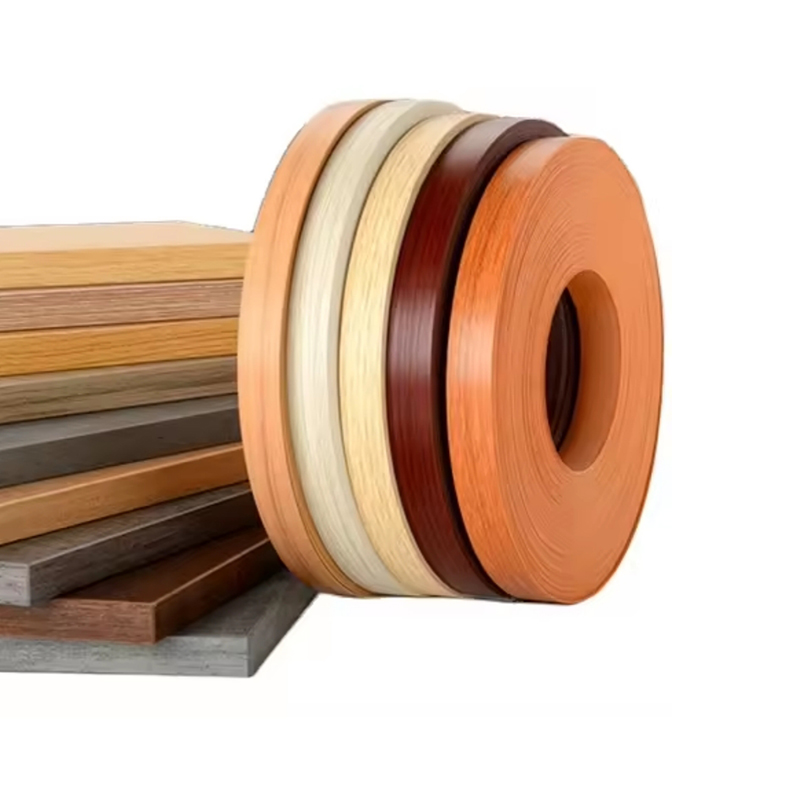
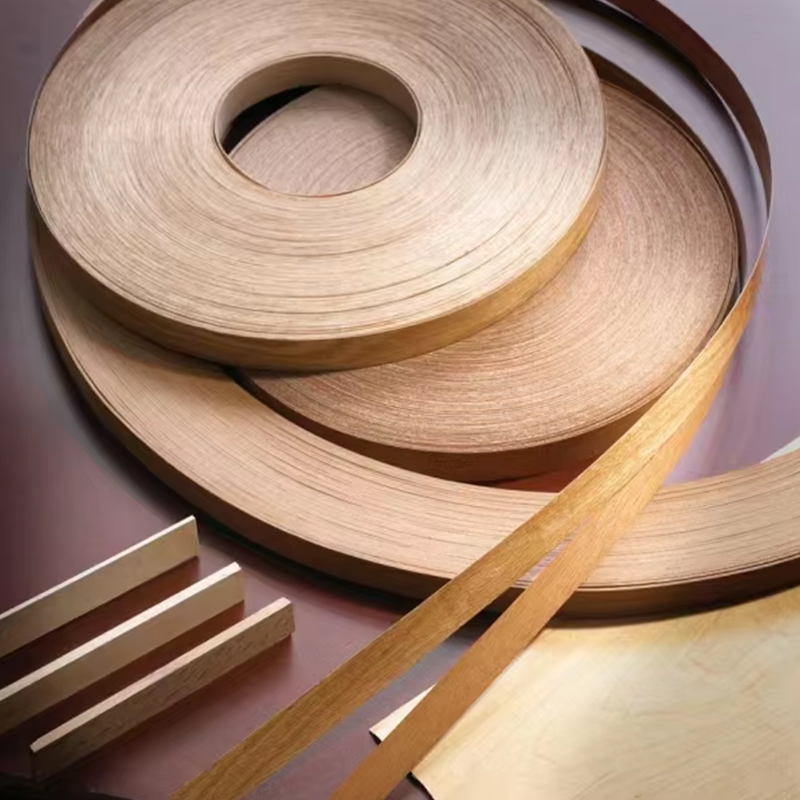
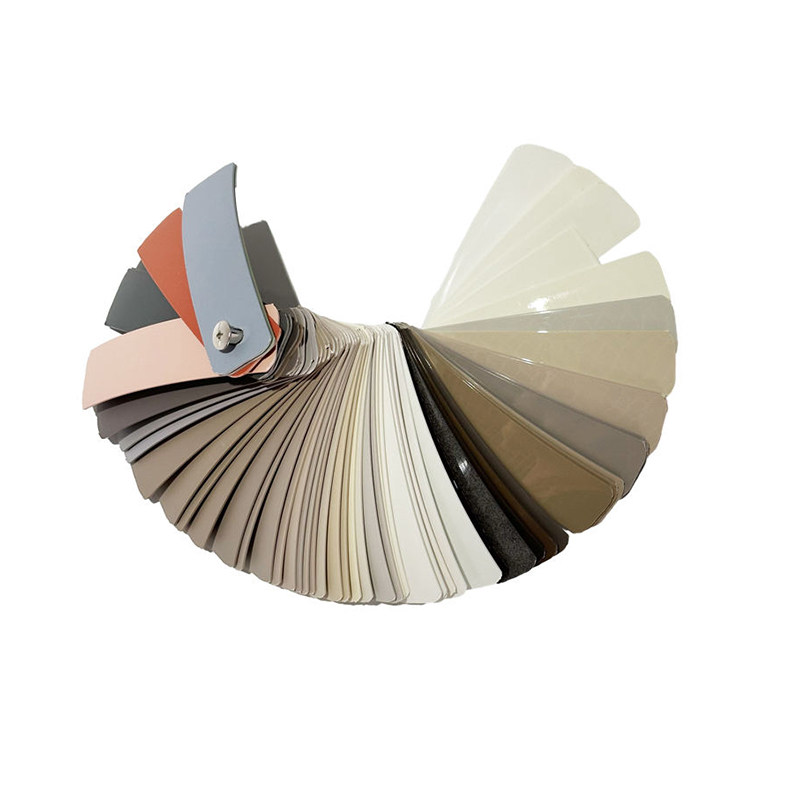
PVC edge banding is replaced by ABS, which carries the same wood grain and solid colour libraries. Anti-whitening grades matter where tight radius corners are machined after bonding.
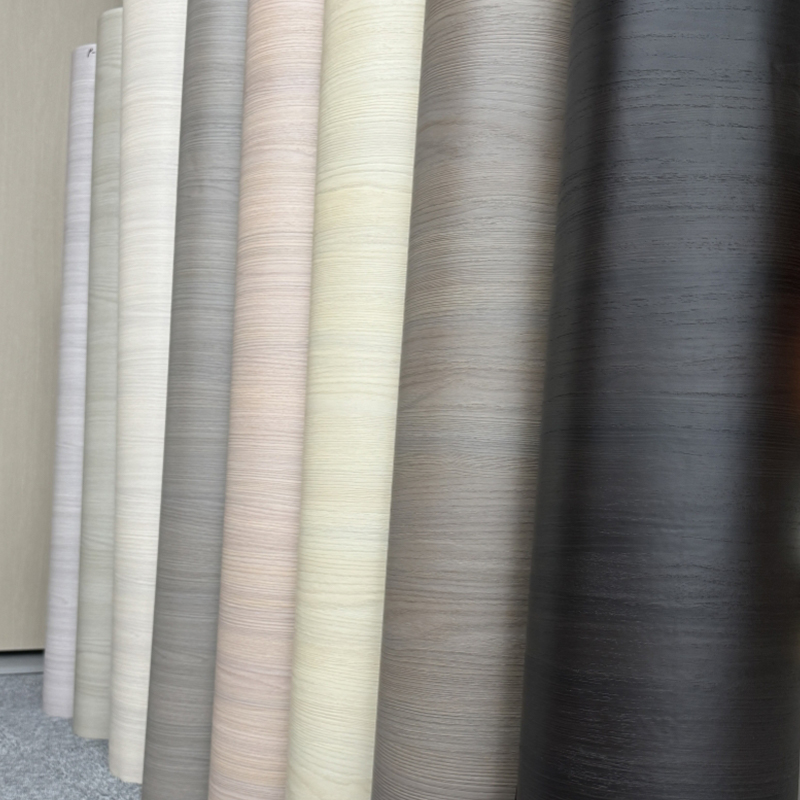
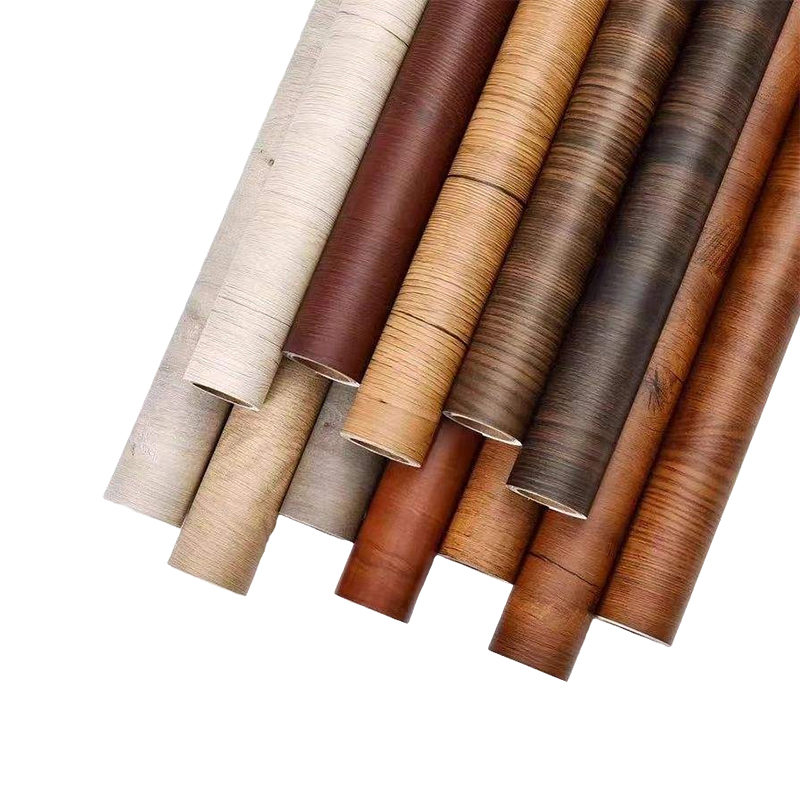
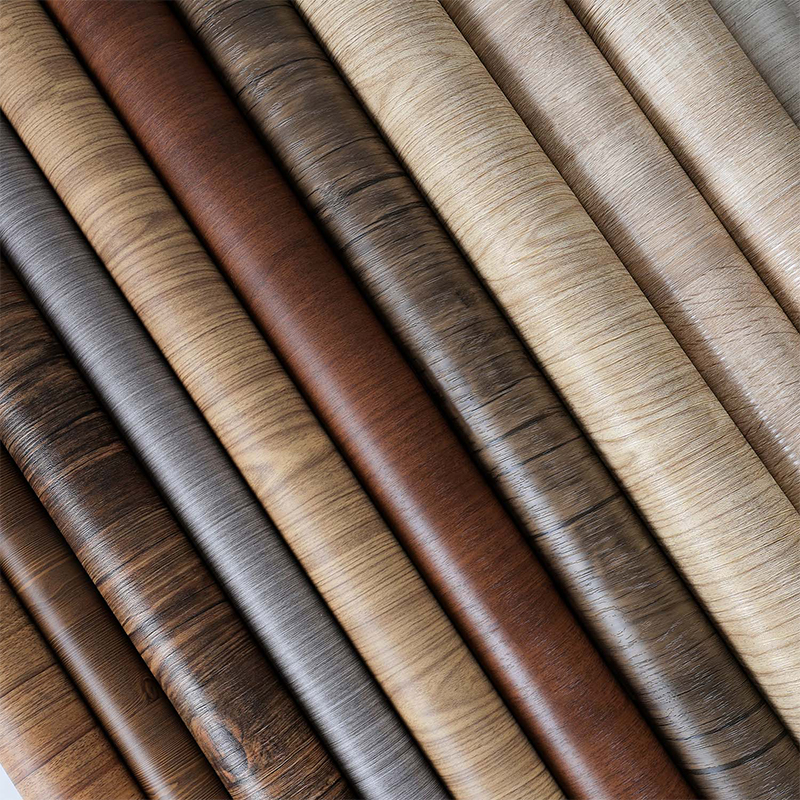
The trade-off is process, not appearance. PP shrinks more than PVC, typically 1.5 to 3.0 percent on extrusion against 0.5 to 1.5 percent, so panel tolerances need revisiting before the first production run. PP also has a lower surface energy, around 29 to 31 mN/m against roughly 39 mN/m for PVC, which means PUR hot melt will not wet out properly without corona treatment or a primer. A wood grain PP decorative film is the usual entry point for cabinet makers testing a PVC free line, because wood grain hides the small gloss variations that appear while the embossing depth is still being tuned.
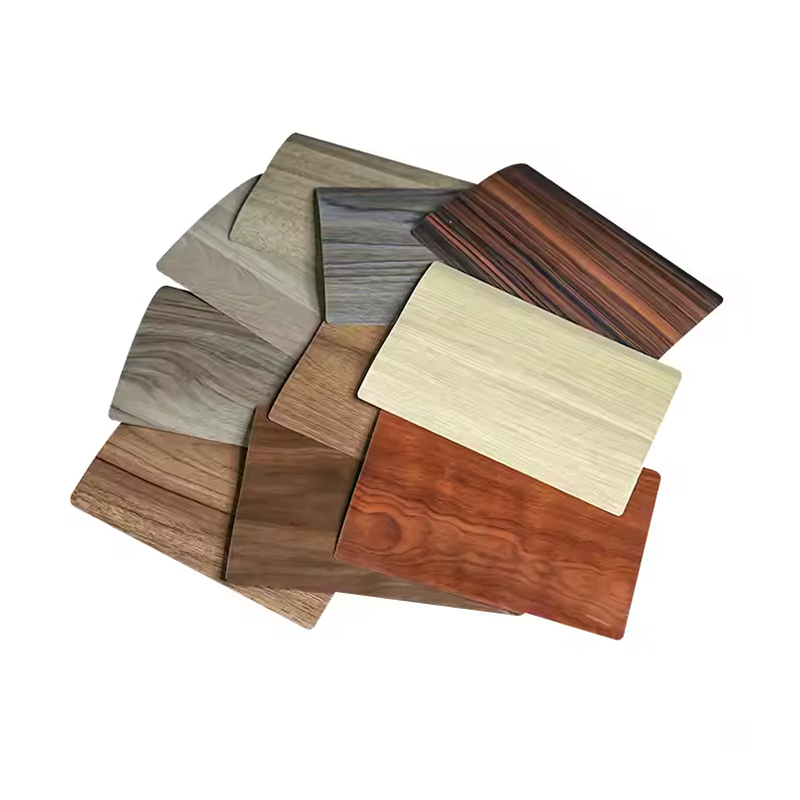 Wood Grain PP Decorative Film for PVC-Free Cabinet LinesPolypropylene wood-grain film for cabinet makers testing a PVC-free line, with embossed surfaces and recyclable, weather-resistant construction.View Product →
PVC, PP and PET Side by Side: The Numbers Buyers Ask For
Most selection arguments end when the three carriers are put on one page. The figures below are indicative for commercial decorative film grades and should be confirmed against a batch certificate of analysis.
Property
PVC film
PP film
PET film
Base polymer
Polyvinyl chloride
Polypropylene
Polyester
Chlorine content
About 57% in resin
0
0
Plasticiser required
Typically yes
No
No
Density (g/cm3)
1.30 - 1.45
0.89 - 0.91
1.33 - 1.40
Thermal shrinkage
0.5 - 1.5%
1.5 - 3.0%
1.0 - 2.0%
Surface energy
About 39 mN/m
29 - 31 mN/m
41 - 44 mN/m
Inherent fire resistance
Yes, from chlorine
Additive dependent
Additive dependent
Mono-stream recyclability
Difficult
Good
Good
Cost index (PVC = 100)
100
95 - 110
110 - 135
Indicative ranges for typical commercial grades; actual values depend on supplier formulation, thickness and surface treatment and should be verified with a batch certificate of analysis before a specification is frozen.
The Indicators That Rarely Appear on the Datasheet
End-of-life suitability is the metric most often omitted from supplier literature, yet it drives the disposal cost and the credibility of a PVC free claim. The chart below compares typical recovery suitability for the carriers used in decorative surfacing.
22
PVC
45
PVC blend laminate
66
PETG
84
PP
88
PET
Recovery suitability index on a 0 to 100 scale, combining chlorine content, additive load and compatibility with existing mono-material streams. The gap between 22 and 88 is the practical reason a PVC free claim carries commercial weight, since a chlorinated film contaminates a polyolefin recycling batch even at low concentrations.
Three other hidden figures deserve a place in the technical file: shrinkage compensation actually applied at the laminator, embossing depth retained after thermoforming at 130 C for 90 seconds, and colour shift after 500 hours of QUV exposure. Ask for measured values rather than statements of compliance, because these three determine whether a PVC free film still looks correct after eighteen months in a kitchen.
Where PVC Free Decorative Films Are Being Specified Today
- Cabinet doors and wardrobe fronts - 34%
- Flat-laminated panels on MDF, WPC and foam board - 24%
- Flooring surfaces - 18%
- Interior wall and self-adhesive renovation - 14%
- Edge banding and profile wrapping - 10%
Share of decorative film demand by application, based on typical B2B order structures for furniture and interior surfacing. Flooring is the fastest-moving segment, because wear-layer chemistry and scratch performance have reached the point where a wood grain PP flooring film can meet residential abrasion expectations without a chlorinated carrier.
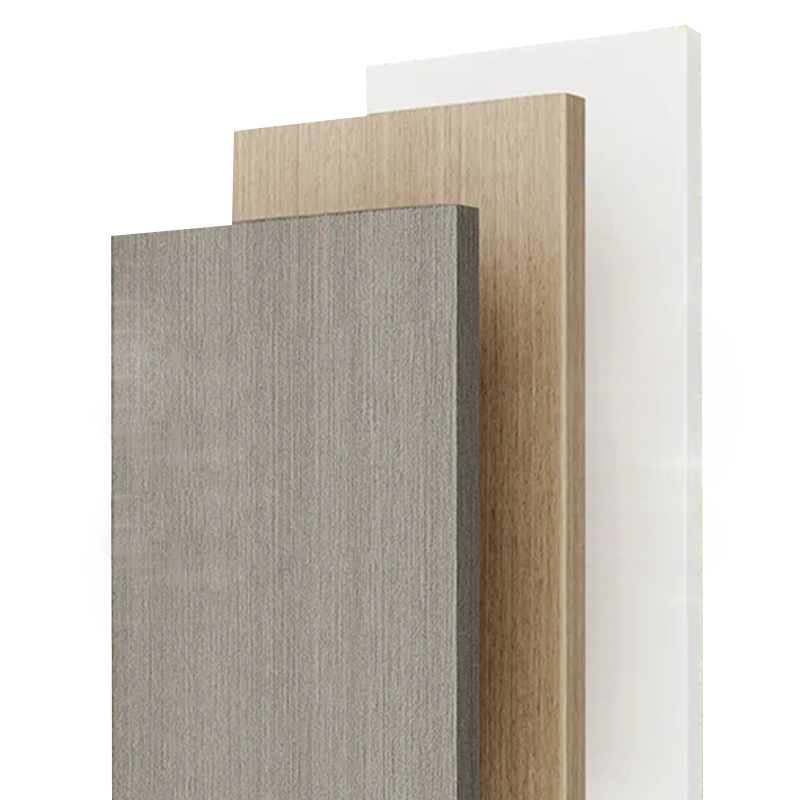 PP Flooring Film Category for Wood Grain FloorsProtective polypropylene flooring films, including wood-grain variants, suited to high-traffic residential and commercial floors with scratch and chemical resistance.View Product →
The flat lamination segment is the more sensitive one. Where a PUR hot melt is already installed, PP films need either inline corona treatment or a primer station, and the adhesive coat weight usually rises slightly. That is a machine modification, not a material problem, and it should be costed before the specification is signed rather than after.
From Specification to Production: A Six-Step Selection Sequence
- Lock the finish before the polymer. Choose the wood grain, solid colour or stone texture first, then ask which carrier supports it at the required gloss and texture depth.
- Confirm the process window. Vacuum pressing, flat lamination and profile wrapping each use different temperature and dwell combinations, and PP tolerates less heat than vinyl.
- Re-check panel tolerance. Budget for 1.5 to 3.0 percent shrinkage on PP and validate on the actual MDF, plywood or WPC board, not on a lab sample of a different density.
- Verify adhesive compatibility. Request a wet-out test on the supplied roll, because low surface energy causes adhesive failure that only appears after a hot and cold cycle.
- Collect documentation before quoting. Chlorine content by test, plasticiser-free declaration, REACH SVHC statement and any surface-specific fire performance data.
- Run a pilot batch and measure. Cross-hatch adhesion, a 1 kg scratch pass, 100 hours of water soak and 500 hours of QUV should all be recorded before the volume order is placed.
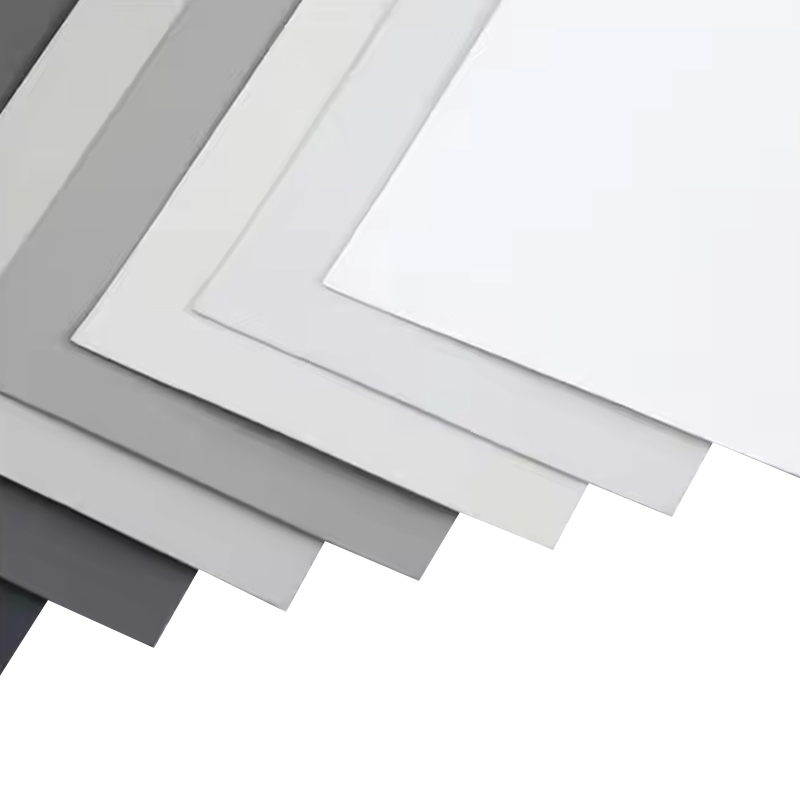
Once the finish is fixed, the carrier choice becomes concrete. A high-gloss white PET decorative film for cabinets and wardrobes answers the wipe-down and yellowing questions that a glossy vinyl front cannot settle, and it keeps the front panel inside the same visual language as the matching edge banding.
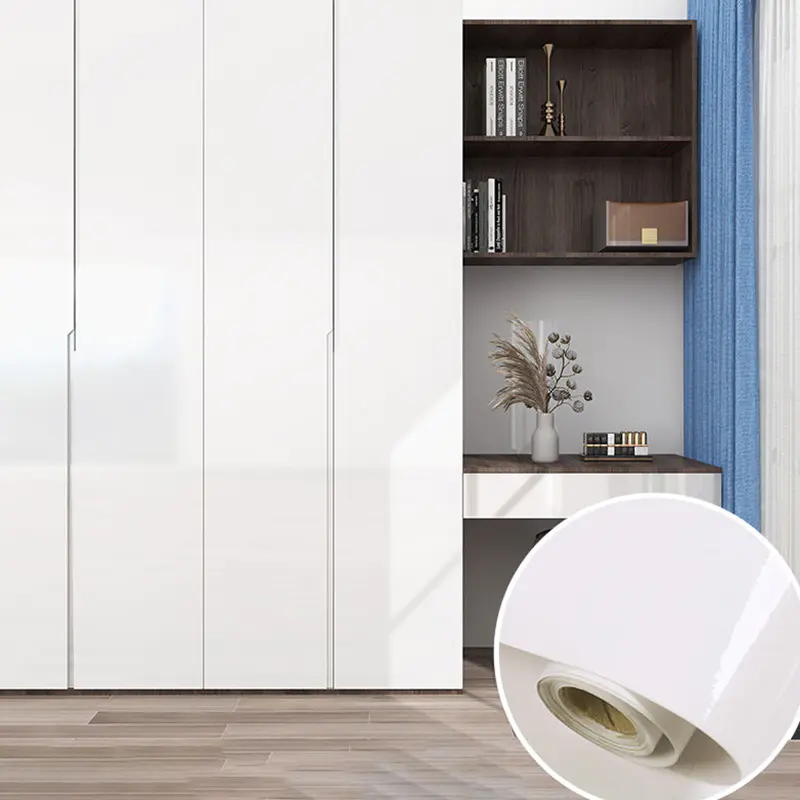 High-Gloss White PET Decorative Film for Cabinets & WardrobesSolid-color PET film for cabinets and wardrobes, with batch-consistent white, flat lamination/vacuum pressing compatibility, and RoHS/REACH compliance.View Product →
Maintenance and Compliance: Keeping the Specification Valid
A PVC free claim is a chain of documents, and the chain breaks easily. The most frequent failure is a supplier statement that says "PVC free" while saying nothing about plasticisers, stabilisers or the adhesive layer behind the film. Each of the following should sit in the project file.
- A material declaration naming the base polymer, plus a batch-linked certificate of analysis rather than a generic datasheet.
- An explicit plasticiser-free and heavy-metal stabiliser-free statement, since chlorine absence alone does not prove either.
- Chlorine content verified by test, using XRF screening followed by laboratory confirmation where the buyer requires it.
- A current REACH SVHC statement, refreshed at least twice a year because the candidate list changes.
- Fire performance evidence where the application is a public interior, because PP and PET do not inherit flame resistance from the polymer the way PVC does.
Production control matters as much as paperwork. Films are produced across calendering and coating stages, and a vertical supply chain covering raw material, calendering and coating is what allows shrinkage behaviour and surface energy to be held within a narrow band from batch to batch. Details of that process structure are set out on the manufacturing page, and it is worth reading before agreeing to a shrinkage tolerance that a converter cannot realistically hold.
On the maintenance side, keep the cleaning regime matched to the carrier. Neutral pH cleaners and soft cloths are safe for PP and PET surfaces, while abrasive pads and solvent-based polishes should be avoided, since ketone and aromatic solvents attack PP faster than they attack vinyl. For the disposal and material-recovery claims that buyers increasingly want written into the contract, the sustainability section covers how mono-material construction is handled at end of life.
PVC free is a specification, not a slogan. The projects that succeed treat it as an engineering change: a different carrier polymer, a different temperature and dwell setting, a different adhesive preparation, and a documentation pack that proves chlorine and plasticiser absence by measurement. The projects that struggle treat it as a like-for-like substitution and discover the gap only when the pilot panels delaminate after a heat cycle.
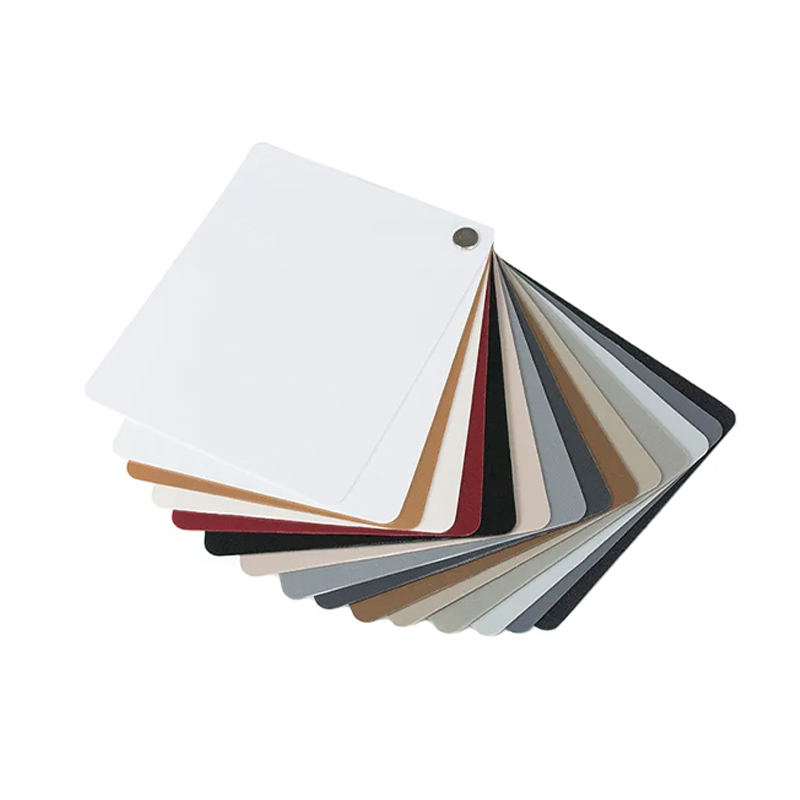
Start with one finish and one production line. Fix the carrier, validate the shrinkage and adhesion on real board stock, and collect the test data. Once that single combination is stable, the rest of the catalogue, from wood grain and terrazzo textures to high-gloss solid colours and matching edge banding, can be transferred onto the same PVC free platform with far less risk.
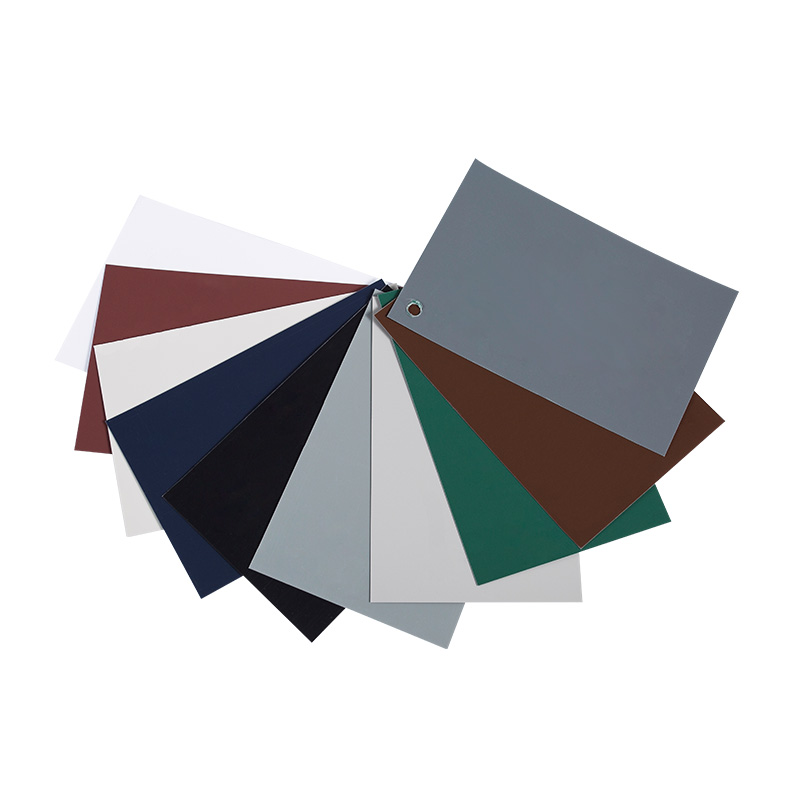
Recommended Articles
-
1.1 What is PP Decorative Film? PP decorative film is a type of surface material made primarily from polypropylene, a versatile and widely used thermoplastic po...
View More -
Is your furniture looking tired, outdated, or damaged? Imagine transforming it effortlessly into something stunning, durable, and uniquely yours. Enter PVC deco...
View More -
1.Introduction Edge banding is a crucial finishing process used in woodworking and furniture manufacturing to cover and seal the exposed sides of materials such...
View More
Xuanyi

Feel free to contact us
Xuanyi, dedicated to the application and research and development of new materials. Furniture Decorative Film Maufacturers and Factory.
Product Fast Links
Contact Information
-
 Room G, 4th Floor, Bailingshi Building, Haizhou Street, Haining City, Jiaxing City, Zhejiang Province, 314400, China
-
 [email protected]
-
 +86-15059290610
-
 +86-15059290610
Copyright © 2024Jiaxing Xuanyi International Trade Co.,Ltd All Rights Reserved. PVC/PP/PET Lamination Film for MDF WPC Plywood

