
 English
 Español
 عربى

 Home / Blog / Industry News / Contact Paper Buying Guide: Adhesive, Film Thickness, and Substrate Fit

Industry News
Contact Paper Buying Guide: Adhesive, Film Thickness, and Substrate Fit
2026-11-09
A property maintenance team repapering 40 rental kitchen cabinets usually learns the same lesson within a week: the pattern is the easy part, the adhesive is the job. Contact paper that lifts at a cabinet edge or bubbles over painted drywall is rarely a “bad roll” in isolation; it is usually a mismatch between adhesive, film caliper, and substrate.
Bottom line: contact paper is a short-cycle surface covering, not a structural repair. The specification that matters is a pressure-sensitive adhesive matched to the substrate, a film thick enough to hide or intentionally reveal texture, and a surface that is clean, sealed, and dimensionally stable. Pattern selection comes after those three checks.
That conclusion changes the buying conversation. A paper-based shelf liner may be adequate inside a dry closet; a vinyl self-adhesive film with air-release channels is a better fit for cabinet faces, rental refreshes, and light commercial interiors. The difference is not cosmetic. It affects edge lift, bubble formation, removal risk, and how many square feet a crew can finish in a shift.
Content
What Contact Paper Actually Is
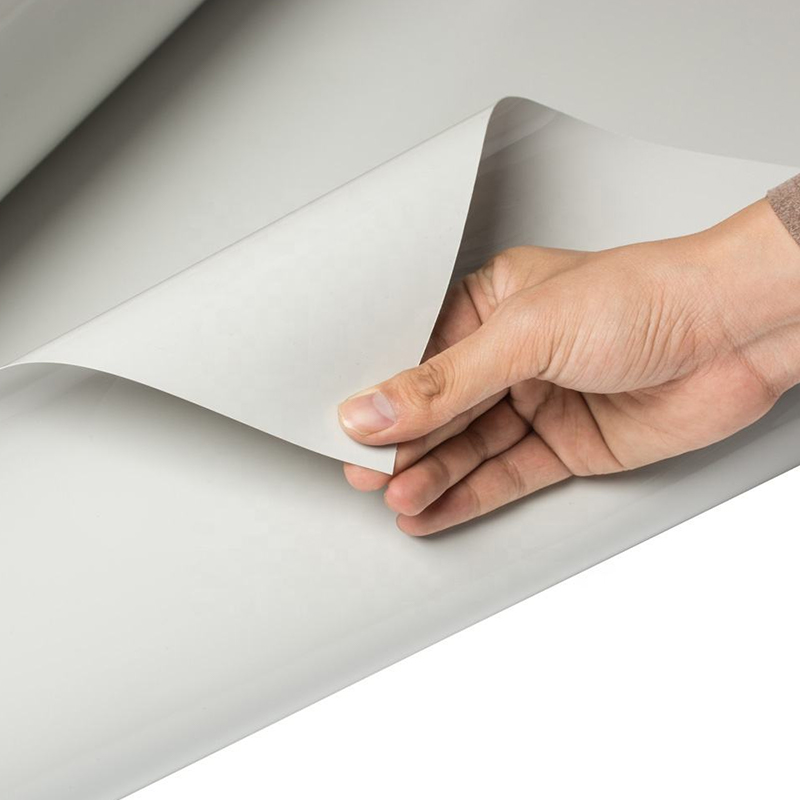
In everyday use, contact paper describes a pressure-sensitive sheet with a decorative face and a peel-and-stick backing. The category includes paper-based shelf liner, vinyl self-adhesive film, and heavier wall-covering products sold as wall stickers or interior film. The common structure is a face layer, an adhesive layer, and a release liner.
Face film
Paper faces suit low-moisture shelf lining. Vinyl and PVC faces resist wiping and handle cabinet curves better. Thickness is often expressed in microns; a thin film telegraphs surface defects, while a heavier film hides them.
Adhesive
Low-tack adhesives allow repositioning and cleaner removal. High-tack adhesives hold on textured or slightly dusty surfaces but can tear substrates on removal. Heat and moisture usually expose adhesive weakness faster than visual inspection does.
Release liner
A stiff liner helps large sheets stay flat during positioning. A soft liner conforms to rolls but can wrinkle on wide cuts. Liner choice is a production detail that becomes visible on a 1.2 m wide cabinet door.
Air release
Micro-channels in the adhesive let trapped air escape under pressure. This is the single most useful upgrade for large, flat surfaces and for crews without a squeegee technique refined over years.
For furniture-facing work, the face film and adhesive matter more than the printed design. A wood-grain pattern can look convincing on a sample card and still fail at a cabinet edge if the film is too thin or the adhesive is not matched to the melamine face.
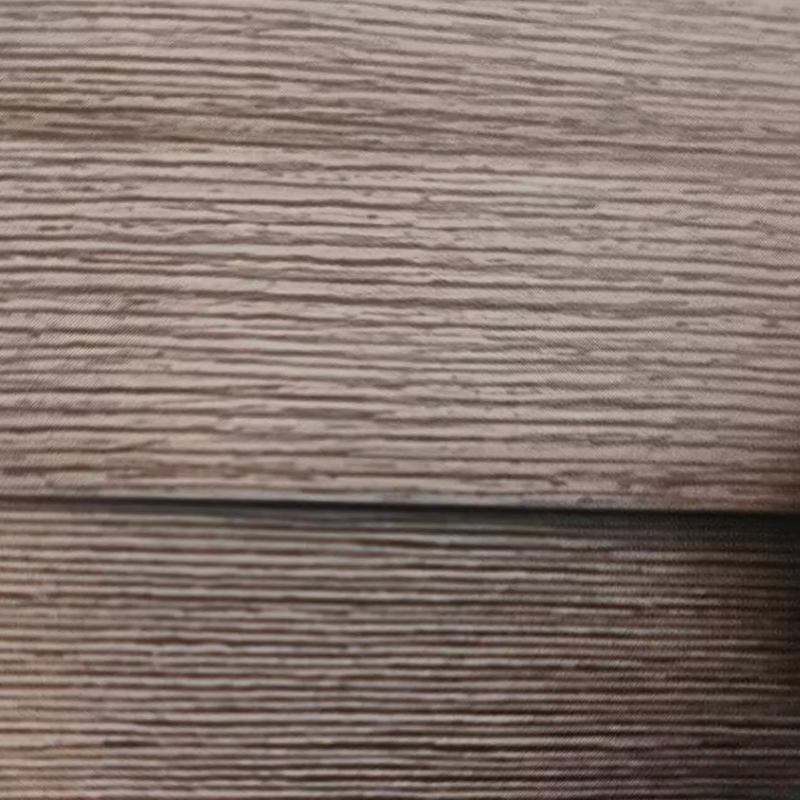
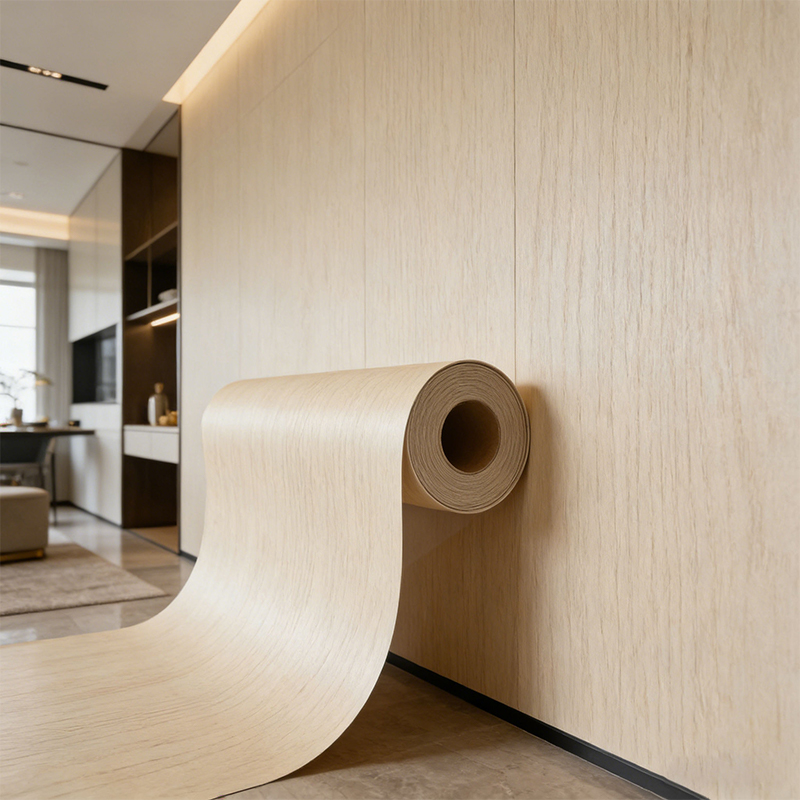 Light Oak Wood Grain Self Adhesive Decorative FilmA light oak wood-grain film for visual interior refresh and light-duty use, with realistic print and a waterproof, easy-clean surface.View Product →
A light oak self-adhesive decorative film is a typical example of the interior-refresh end of the category: it is specified for visual renewal and light duty, not for repairing swollen particleboard or failing veneer.
Types and What Each One Handles
Not every contact paper belongs on the same surface. The table below compares common constructions by adhesive behavior, best-fit substrate, and the risk that most often shows up after installation.
Note: these are practical fit bands, not universal chemical compatibility guarantees. Always test a small area and check the supplier’s current technical data.
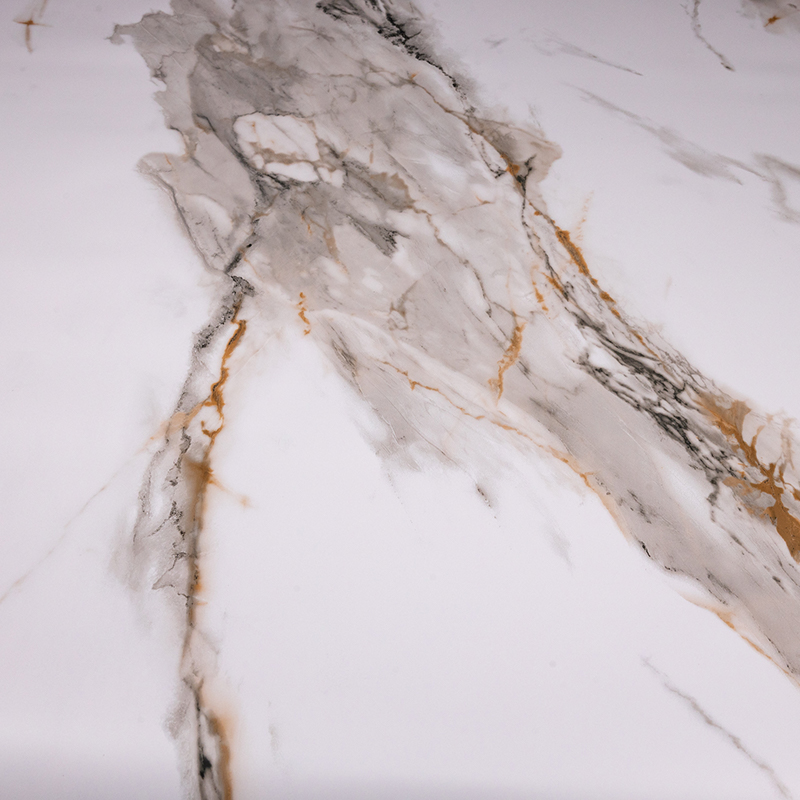
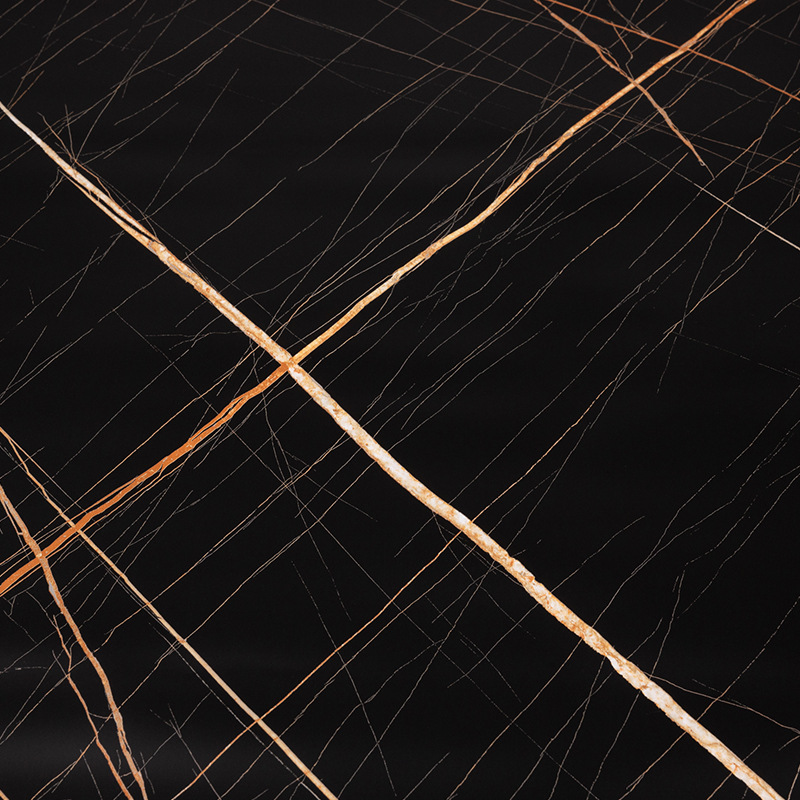
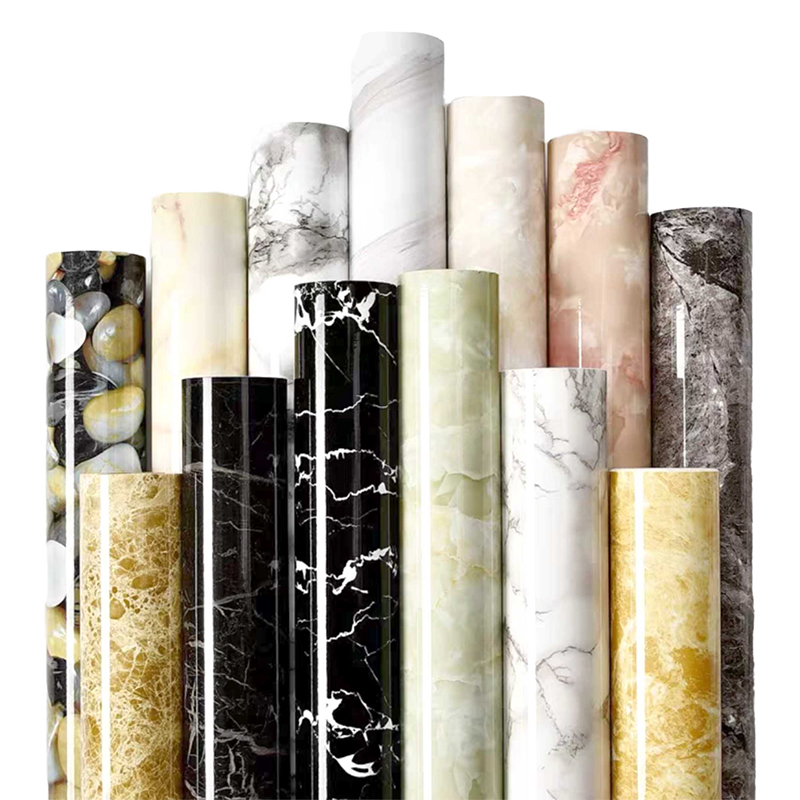 Marble Pattern PVC Wall Sticker FilmFor stone-look wall or countertop updates without demolition, this marble-pattern PVC film offers waterproof, scratch-resistant coverage and easy self-adhesive installation.View Product →
Marble-pattern PVC wall stickers sit at the heavier wall-covering end of the category. They suit a rental kitchen backsplash or a display wall where a stone look is needed without demolition, but they demand a sound, sealed paint film underneath.
Where Contact Paper Performs and Where It Fails
Adhesion is the hidden metric. Buyers see color and gloss; installers see whether the edge is still flat after a heating season. The chart below uses relative retention bands after 90 days at typical indoor conditions, not a certified lab result. It is a planning tool for substrate screening.
Sealed wood
95%
95%
Melamine
88%
88%
Glass
82%
82%
Painted drywall
74%
74%
Unsealed MDF
45%
45%
The pattern is clear: sealed, non-porous surfaces hold contact paper best. Unsealed MDF and particleboard draw adhesive plasticizer into the board, and the film lets go at the edges first. Grease, silicone polish, and chalky paint are also common causes of early failure, even when the product itself is sound.
Application Distribution and Market Reality
Contact paper is rarely a single-channel product. It moves through furniture refresh, cabinet interiors, rental turnover, and display work. The split below is an illustrative planning view, useful for setting inventory and sample-kit priorities.
Furniture refresh 38%
Cabinet interiors 24%
Rental and DIY 18%
Commercial displays 12%
Other 8%
The commercial-display share is small but demanding. Those buyers often need consistent batch color, clean edges on MDF panels, and a removable adhesive that will not pull printed graphics. For that group, a sample fan and batch traceability are more valuable than a low unit price.
Selection and Installation Workflow
A contact paper job that lasts is mostly preparation. The sequence below is written for a two-person crew working on cabinet doors or wall panels; it also works for a single maintenance technician on a small rental turnover.
01 Measure and map
Record panel width, height, and radius. Add 10 to 15 mm trim allowance per edge. Note outlet cutouts, hinges, and handles before cutting film.
02 Clean and degrease
Use a pH-neutral cleaner, then rinse. Avoid silicone polish and oily tack cloths. Let the surface dry fully; trapped moisture is a common cause of clouding.
03 Test adhesion
Apply a 100 mm square offcut, press with a roller, and leave it for 24 hours. Check edge lift and removal behavior on an inconspicuous area.
04 Control the environment
Work between 15 and 30°C where possible. Cold film is stiff and traps air; hot film stretches and can distort the pattern. Keep the liner clean.
05 Apply and chase air
Peel 100 to 150 mm of liner at a time. Use a felt squeegee from the center outward. On air-release film, firm pressure activates the channels.
06 Trim and cure
Trim with a fresh blade at a low angle. Re-roll edges. Avoid washing for 24 to 48 hours so the adhesive can wet out fully.
Surface compatibility deserves a separate check on painted drywall, because removal can pull the paint film. The practical guidance on surface compatibility and long-term performance is worth reading before specifying a wall application.
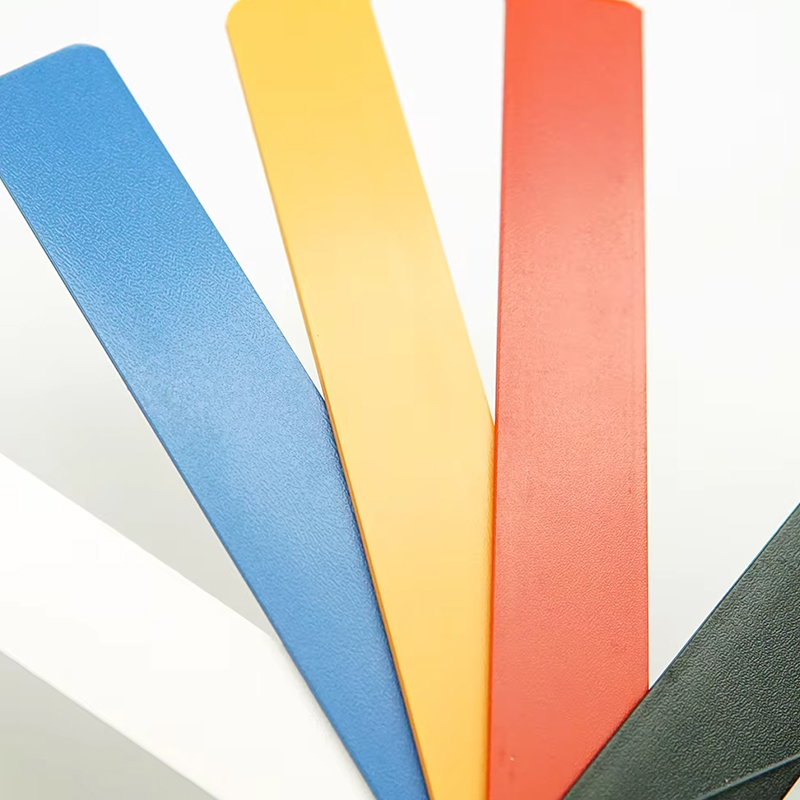
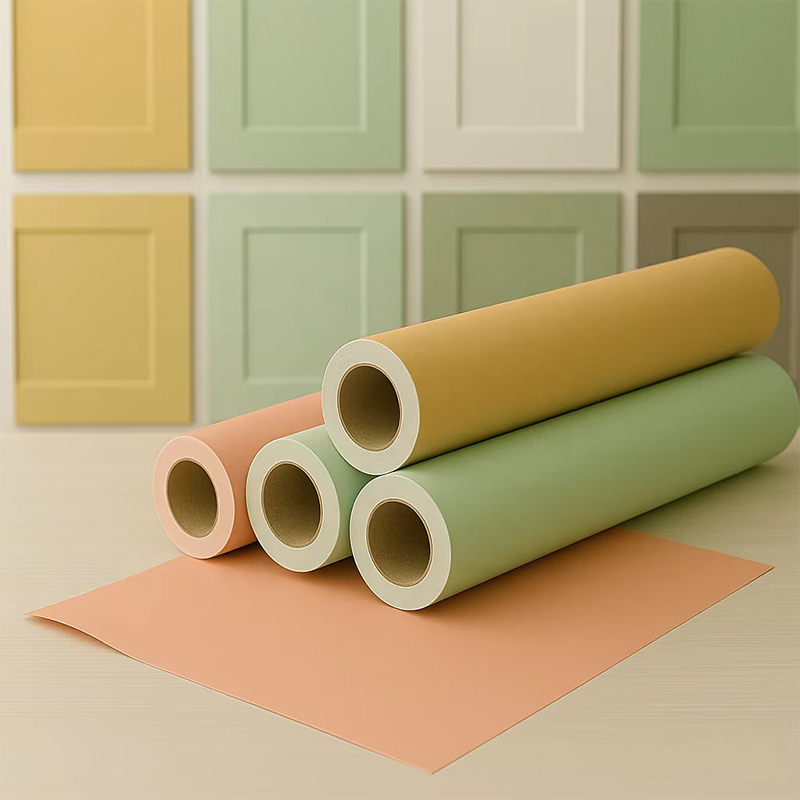 Colorful Solid Color Wallpaper Decorative FilmA solid-color air-free film for wall, cabinet, and furniture refreshes, offering fade-resistant color and a waterproof, scratch-resistant finish.View Product →
For solid-color wall applications, a permanent self-adhesive airfree interior film is the appropriate product family. Paper-based shelf liner is not a substitute on a vertical wall where gravity and room humidity work against the edge.
ROI and Cost Comparison
Contact paper competes with laminate, paint, and veneer on installed cost, not just material price. The comparison below is indicative and will move with local labor rates, substrate condition, and access equipment.
Note: service life assumes indoor use, correct substrate preparation, and normal cleaning. Wet areas and high-traffic edges shorten every option.
The ROI case for contact paper is strongest when the substrate is already sealed and the goal is a one-cycle visual reset. It weakens when the surface is failing, because the film will follow the failure. In those cases, spending on substrate repair before covering is the lower-risk decision.
Maintenance, Compliance, and Supply Chain Checks
- Clean with a pH-neutral detergent and a soft cloth. Abrasive pads and solvent-heavy cleaners dull the face film and can attack the adhesive edge.
- Check fire performance, VOC content, and heavy-metal limits against the destination market. A generic “eco-friendly” claim is not a test report.
- Ask for current REACH and RoHS declarations where applicable, plus batch traceability for color consistency on repeat orders.
- Store rolls upright, out of direct sunlight, and within the supplier’s temperature range. Pressure-sensitive adhesive can block or transfer if stored hot.
- Confirm the removal method before installation. Low-tack products are easier to reverse, but they are not automatically safe on aged paint or delicate wallpaper.
For B2B buyers, the supply chain question is as important as the roll itself. A vertically integrated manufacturing process can support batch consistency and cost control, but the buyer still needs the current technical data sheet, surface recommendation, and a retained sample for each lot.
A practical audit is simple: request a 1 m sample from the production batch, apply it to the actual substrate, and keep it for 72 hours at room temperature. If the edge lifts or the face film wrinkles, the issue will not disappear on a full order. That test costs less than a call-back.
Final Take
Contact paper is a legitimate specification for fast, low-cost interior refresh when the substrate is sound, clean, and sealed. It is a poor specification for structural repair, wet areas, or unsealed board. The buying decision should start with adhesive and surface compatibility, then move to pattern and price.
For a rental turnover or a cabinet-face update, choose a vinyl self-adhesive film with realistic caliper and, where available, air-release adhesive. Test first, document the batch, and keep a removal plan. That approach turns contact paper from a disposable shortcut into a controlled maintenance material.
Recommended Articles
-
1.1 What is PP Decorative Film? PP decorative film is a type of surface material made primarily from polypropylene, a versatile and widely used thermoplastic po...
View More -
Is your furniture looking tired, outdated, or damaged? Imagine transforming it effortlessly into something stunning, durable, and uniquely yours. Enter PVC deco...
View More -
1.Introduction Edge banding is a crucial finishing process used in woodworking and furniture manufacturing to cover and seal the exposed sides of materials such...
View More
Xuanyi

Feel free to contact us
Xuanyi, dedicated to the application and research and development of new materials. Furniture Decorative Film Maufacturers and Factory.
Product Fast Links
Contact Information
-
 Room G, 4th Floor, Bailingshi Building, Haizhou Street, Haining City, Jiaxing City, Zhejiang Province, 314400, China
-
 [email protected]
-
 +86-15059290610
-
 +86-15059290610
Copyright © 2024Jiaxing Xuanyi International Trade Co.,Ltd All Rights Reserved. PVC/PP/PET Lamination Film for MDF WPC Plywood

