
 English
 Español
 عربى
عربى
 Home / Blog / Industry News / Self Adhesive Film Wallpaper: Installation Methods, Surface Compatibility, and Long-Term Performance
Industry News
Self Adhesive Film Wallpaper: Installation Methods, Surface Compatibility, and Long-Term Performance
2026-02-19
Content
- 1 Material Structure and Adhesive Technology Behind Self Adhesive Film Wallpaper
- 2 Wall Surface Preparation for Reliable Installation
- 3 Step-by-Step Installation Techniques for Bubble-Free Results
- 4 Durability, Wear Resistance, and Maintenance
- 5 Design Flexibility and Interior Applications
- 6 Removal Process and Surface Restoration
- 7 Selecting the Right Thickness and Finish for Different Environments
Material Structure and Adhesive Technology Behind Self Adhesive Film Wallpaper
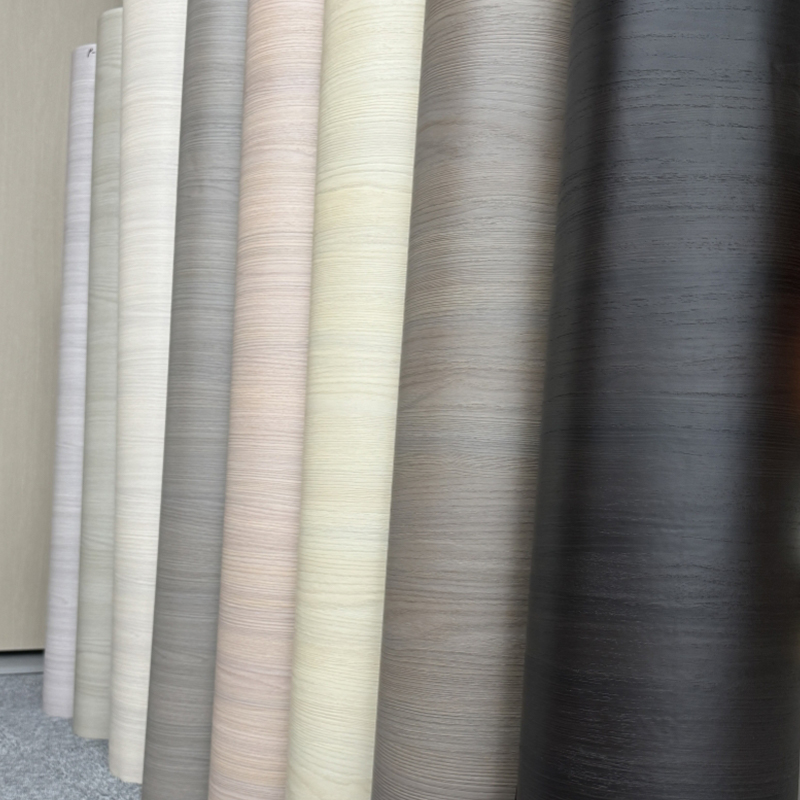
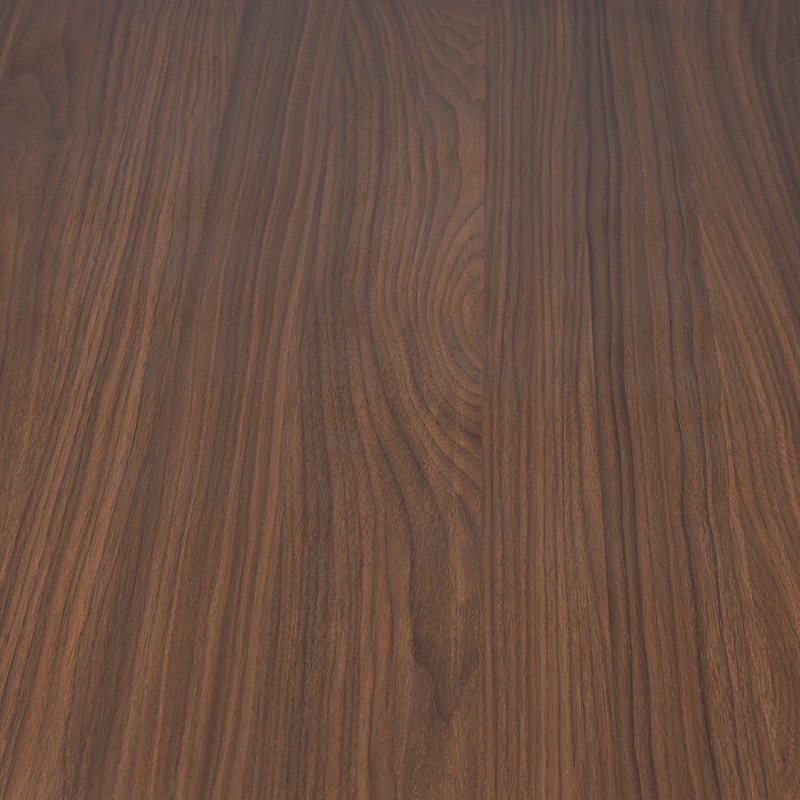
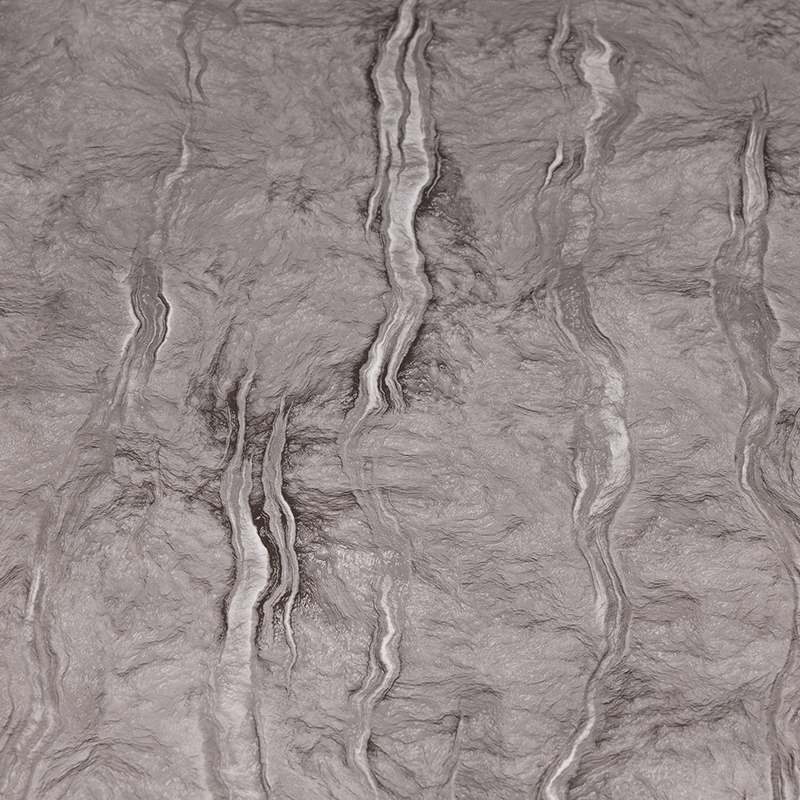
Self adhesive film wallpaper is manufactured as a multi-layer decorative system that integrates a printed surface layer, a functional film base, and a pressure-sensitive adhesive backing protected by a release liner. The surface layer can simulate wood grain, marble texture, fabric patterns, or solid colors using high-resolution printing and embossing technology. The base film is commonly PVC or other polymer materials engineered for flexibility and dimensional stability.
The adhesive layer plays a decisive role in installation performance. Pressure-sensitive acrylic adhesives are widely used because they provide initial tack while allowing repositioning during application. High-quality adhesives resist yellowing, edge lifting, and residue after removal. When evaluating self adhesive film wallpaper, the adhesive formulation determines whether the product is suitable for rental properties, long-term residential use, or temporary commercial decoration.
Key Performance Indicators of Adhesive Layer
- Initial tack strength for smooth wall attachment
- Repositionability during installation
- Long-term adhesion without edge curling
- Clean removal without damaging paint surface
Wall Surface Preparation for Reliable Installation
Proper surface preparation directly affects the bonding stability of self adhesive film wallpaper. The wall must be dry, dust-free, and structurally sound. Newly painted surfaces require sufficient curing time to prevent adhesive failure. Glossy paint, sealed concrete, metal, glass, and laminated panels generally provide stronger adhesion compared to rough plaster or textured walls.
Moisture levels should be controlled before installation. Excess humidity behind the wall can cause bubbling or peeling over time. Cleaning with a mild detergent and allowing the surface to dry completely reduces contamination that weakens adhesive performance. For porous surfaces, a primer can create a smoother base and improve bonding consistency.
Surfaces Suitable for Application
| Surface Type | Compatibility Level | Preparation Required |
| Painted drywall | High | Clean and fully cured |
| Ceramic tile | High | Degrease and dry |
| Textured plaster | Moderate | Sanding or priming |
| Raw concrete | Low | Seal and smooth first |
Step-by-Step Installation Techniques for Bubble-Free Results
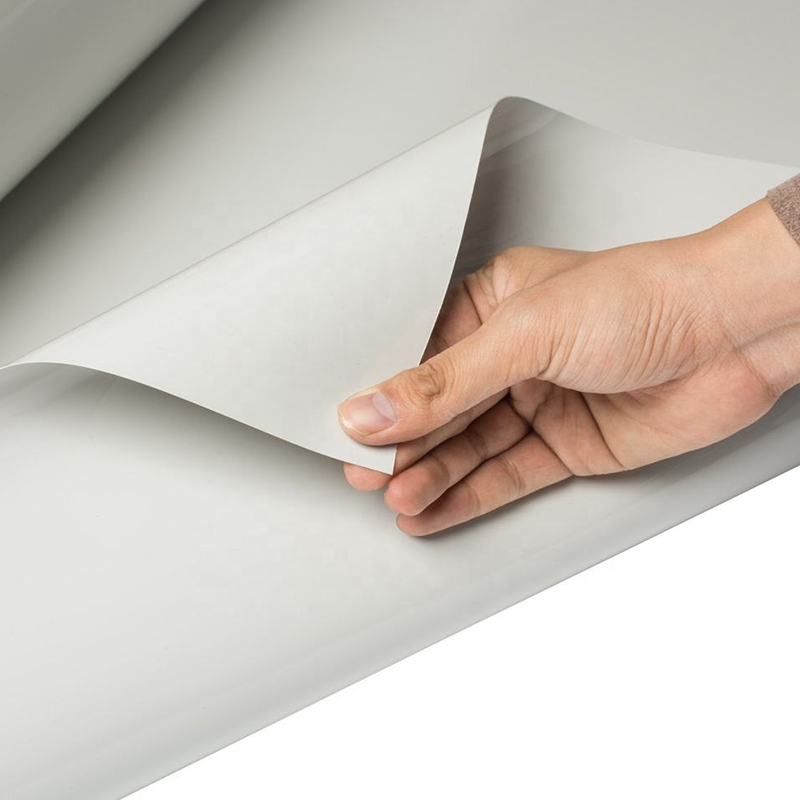
Installing self adhesive film wallpaper requires precision and controlled alignment. Begin by measuring wall height and cutting panels with a small margin for trimming. Peel back a small section of the release liner and align the top edge carefully. Gradually remove the liner while pressing the film against the wall using a squeegee or soft scraper to eliminate air pockets.
Working from the center outward prevents trapped air. If bubbles form, lifting the film gently and reapplying can correct alignment issues when using repositionable adhesives. Sharp blades should be used to trim edges cleanly along ceilings, corners, and outlets. Consistent pressure ensures full adhesive contact.
- Measure and pre-cut panels before peeling liner
- Apply gradually from top to bottom
- Use a squeegee to push out air bubbles
- Trim excess material with a sharp blade
Durability, Wear Resistance, and Maintenance
Self adhesive film wallpaper used in residential or commercial environments must withstand abrasion, cleaning, and temperature changes. Surface coatings can enhance scratch resistance and stain protection. In kitchens and bathrooms, moisture-resistant film structures prevent swelling and maintain print clarity.
Routine maintenance involves wiping with a soft damp cloth. Abrasive cleaners should be avoided to preserve surface integrity. High-quality film wallpaper maintains dimensional stability and color consistency even under indirect sunlight exposure. For high-traffic commercial areas, thicker gauge films provide improved durability.
Design Flexibility and Interior Applications
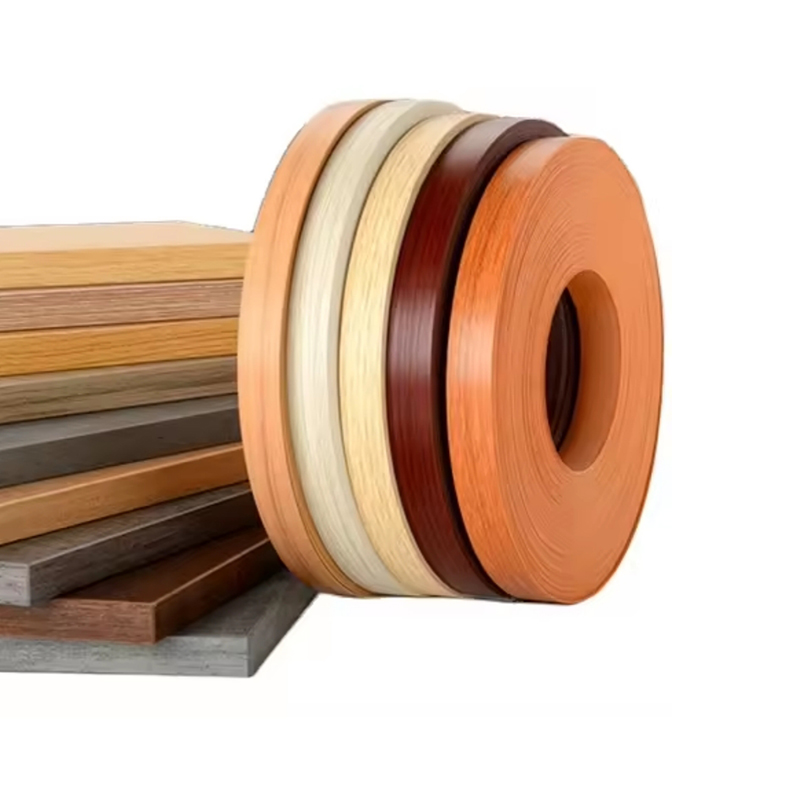
Self adhesive film wallpaper supports rapid interior transformation without structural renovation. It can be applied to feature walls, cabinets, wardrobes, office partitions, retail displays, and hospitality interiors. Wood grain patterns replicate natural materials without the cost or weight of solid wood. Marble and stone finishes create a refined aesthetic while remaining lightweight and adaptable.
Because installation does not require wet paste, the process minimizes disruption in occupied spaces. This makes self adhesive film wallpaper suitable for rental apartments, exhibition booths, seasonal retail decoration, and short-term commercial branding projects.
Removal Process and Surface Restoration
One of the defining characteristics of self adhesive film wallpaper is its removability. To remove, gently lift a corner and peel back at a slow angle. Applying mild heat with a hair dryer can soften the adhesive for easier release. High-quality products leave minimal residue when removed from properly prepared painted walls.
After removal, any residual adhesive can be cleaned using mild adhesive removers or warm soapy water. Surface repainting is generally unnecessary if installation guidelines were followed. This removability supports flexible interior updates without long-term commitment.
Selecting the Right Thickness and Finish for Different Environments
Film thickness influences opacity, durability, and installation ease. Thicker films better conceal underlying wall imperfections and resist tearing during application. Matte finishes reduce glare in bright spaces, while gloss finishes enhance visual depth and are easier to clean. Embossed textures provide tactile realism for wood and fabric simulations.
Choosing the correct finish and thickness ensures that self adhesive film wallpaper performs according to environmental demands, whether used in residential living rooms, commercial offices, or retail display environments.
Recommended Articles
-
1.1 What is PP Decorative Film? PP decorative film is a type of surface material made primarily from polypropylene, a versatile and widely used thermoplastic po...
View More -
Is your furniture looking tired, outdated, or damaged? Imagine transforming it effortlessly into something stunning, durable, and uniquely yours. Enter PVC deco...
View More -
1.Introduction Edge banding is a crucial finishing process used in woodworking and furniture manufacturing to cover and seal the exposed sides of materials such...
View More
Xuanyi

Feel free to contact us
Xuanyi, dedicated to the application and research and development of new materials. Furniture Decorative Film Maufacturers and Factory.
Product Fast Links
Contact Information
-
 Room G, 4th Floor, Bailingshi Building, Haizhou Street, Haining City, Jiaxing City, Zhejiang Province, 314400, China
-
 [email protected]
-
 +86-15059290610
-
 +86-15059290610
Copyright © 2024Jiaxing Xuanyi International Trade Co.,Ltd All Rights Reserved. PVC/PP/PET Lamination Film for MDF WPC Plywood

