
 English
 Español
 عربى
عربى
 Home / Blog / Industry News / PVC, PP & PET Decorative Film: Properties, Applications, and Selection Guide
Industry News
PVC, PP & PET Decorative Film: Properties, Applications, and Selection Guide
2026-02-28
Content
- 1 Understanding PVC, PP, and PET Decorative Films: An Overview
- 2 PVC Decorative Film: Properties, Advantages, and Limitations
- 3 PP Decorative Film: The Sustainable Alternative for Flat Lamination
- 4 PET Decorative Film: Premium Performance for Demanding Applications
- 5 Direct Comparison: PVC vs. PP vs. PET Decorative Film
- 6 Adhesive Systems and Lamination Processes for Each Film Type
- 7 How to Select the Right Decorative Film for Your Application
Understanding PVC, PP, and PET Decorative Films: An Overview
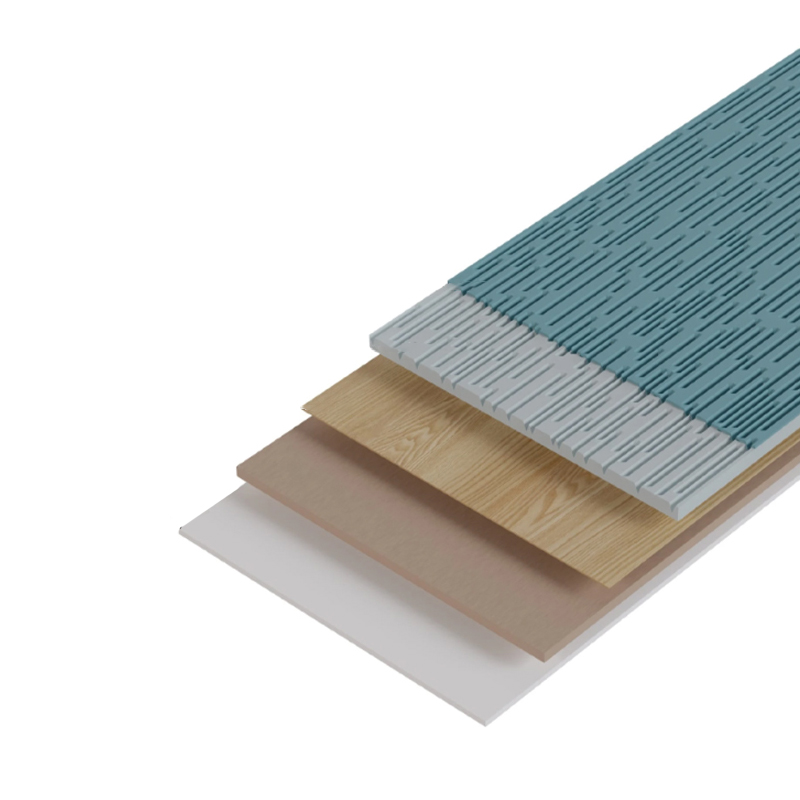
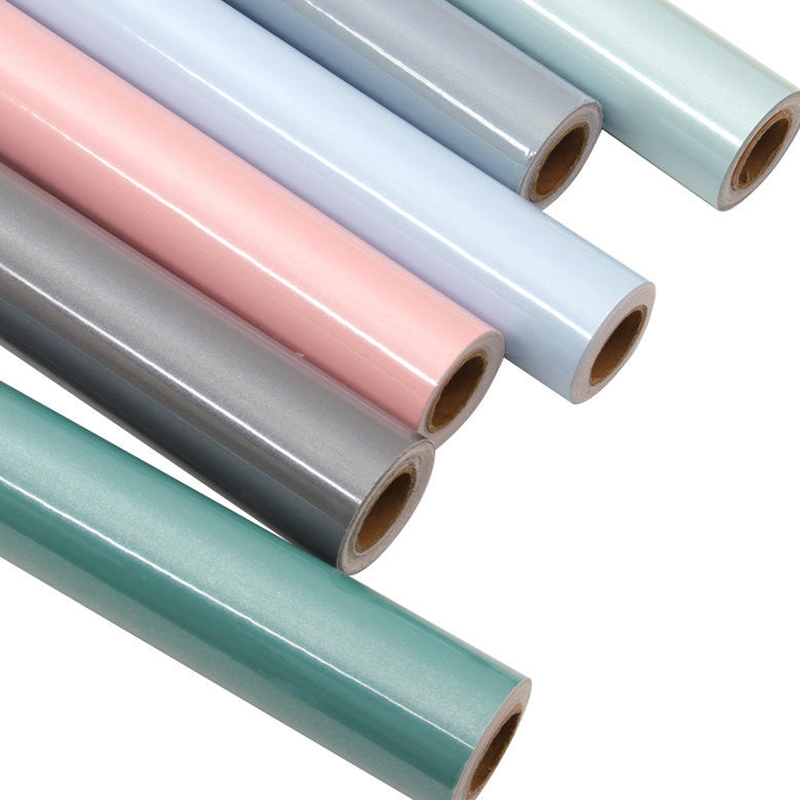
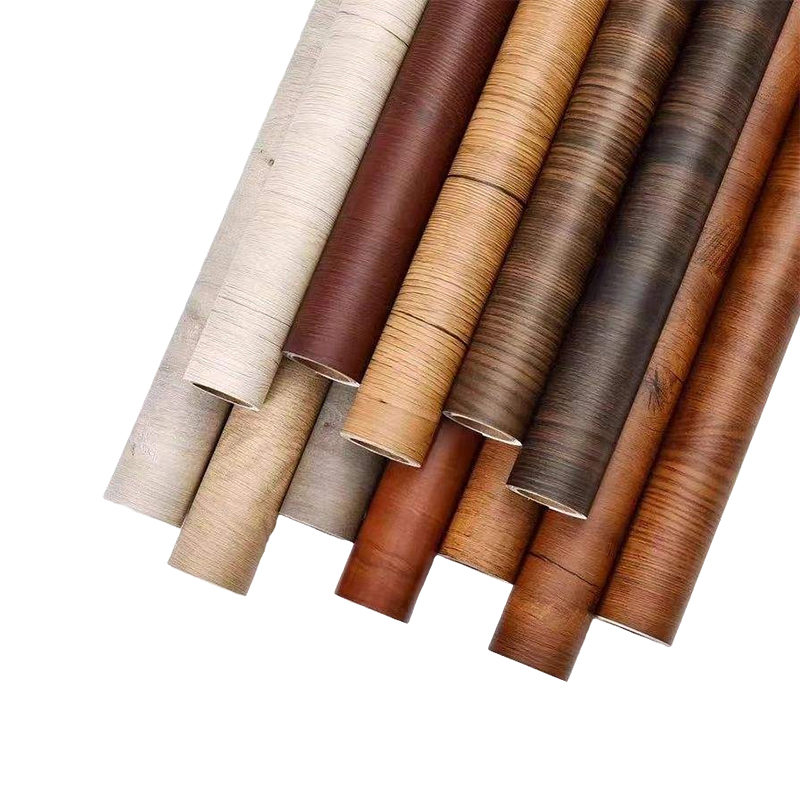
PVC, PP, and PET decorative films are polymer-based surface covering materials manufactured in continuous roll form and applied to substrates ranging from furniture panels and cabinetry to wall cladding, flooring, automotive interiors, and consumer electronics housings. Each of the three film types — polyvinyl chloride (PVC), polypropylene (PP), and polyethylene terephthalate (PET) — is produced through distinct extrusion or casting processes, uses different chemical formulations, and delivers a different combination of visual appearance, mechanical durability, chemical resistance, processing flexibility, and environmental impact. While all three serve the same fundamental purpose of transforming the aesthetic and functional surface quality of a base substrate, the differences between them are substantial enough that substituting one for another without careful evaluation can result in processing failures, performance shortfalls, or regulatory non-compliance.
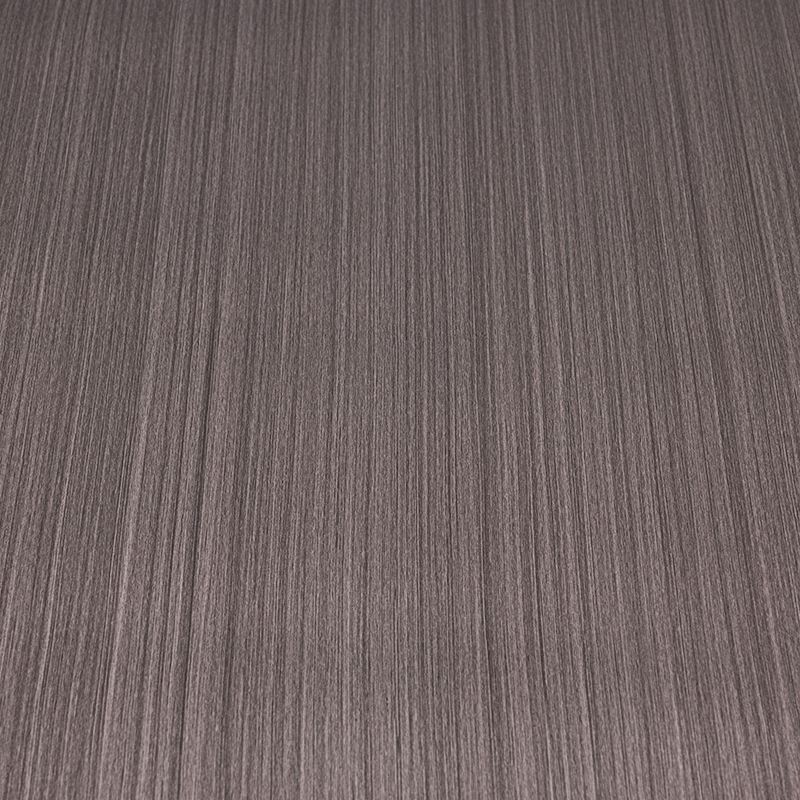
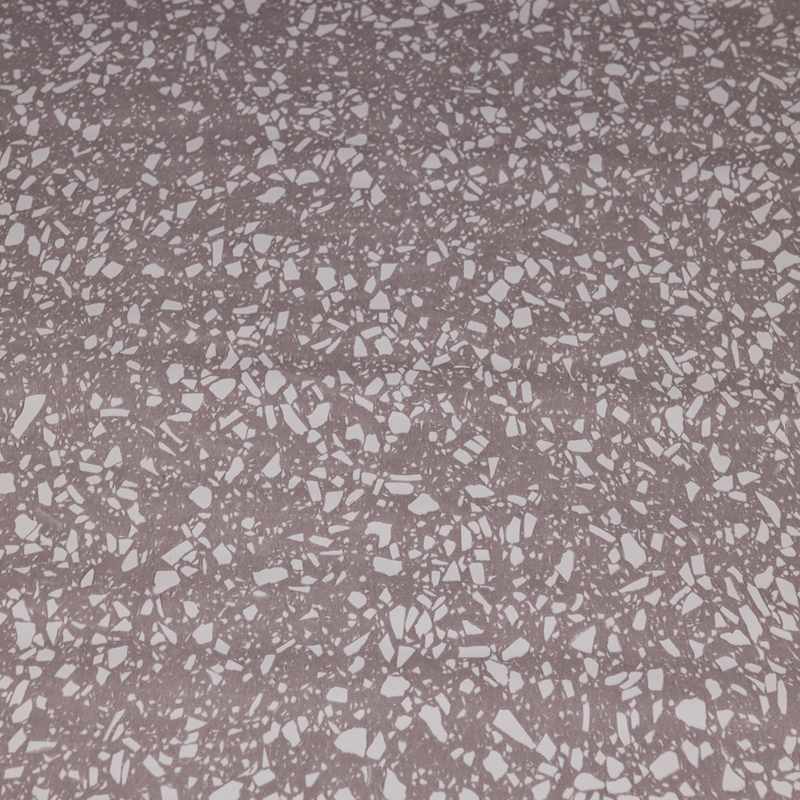
The decorative film market has grown substantially over the past two decades as furniture manufacturers, interior designers, and product engineers have sought cost-effective alternatives to natural materials like wood veneer, stone, leather, and metal. Modern printing and surface texturing technologies — including gravure printing, digital inkjet printing, embossing, and physical vapor deposition — allow decorative films to replicate the visual character of these natural materials with exceptional fidelity, while offering advantages in consistency, cost, weight, and processing flexibility that natural materials cannot match. Understanding the specific properties of PVC, PP, and PET films is essential for making informed material selections that balance aesthetic goals, performance requirements, cost constraints, and sustainability commitments.
PVC Decorative Film: Properties, Advantages, and Limitations
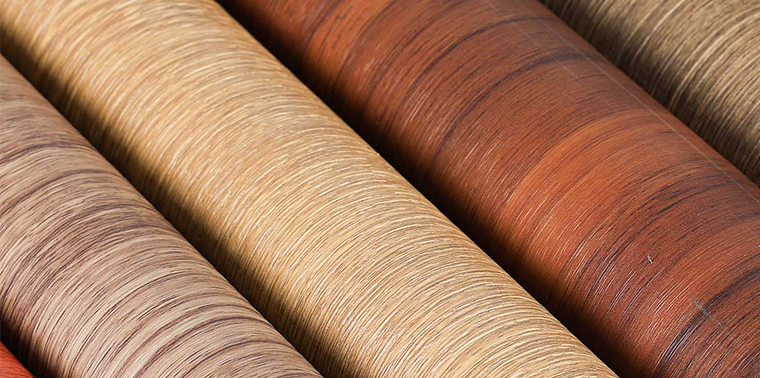
Polyvinyl chloride (PVC) decorative film has been the dominant material in the decorative film industry for more than four decades, and for good reason: it offers an exceptional combination of printability, thermoformability, flexibility, and cost-effectiveness that made it the default choice for furniture manufacturers, kitchen cabinet producers, and interior fit-out contractors worldwide. PVC film is produced by calendering — a process in which molten PVC compound is passed through a series of heated rollers to produce a continuous sheet of controlled thickness — or by extrusion through a flat die followed by casting on a polished drum. Plasticizers, stabilizers, pigments, and fillers are compounded into the PVC resin to produce films with specific flexibility, color, and surface characteristics.
Key Physical Properties of PVC Decorative Film
PVC decorative films for furniture and interior applications are typically produced in thicknesses ranging from 0.08mm to 0.6mm, with the most common range being 0.15mm to 0.35mm for lamination to MDF, particleboard, and PVC profiles. The film can be formulated across a wide range from rigid (Shore D hardness 70–85) to highly flexible (Shore A hardness 50–70) by varying the plasticizer content, which is typically a phthalate or non-phthalate ester compound at 20–50 parts per hundred resin (phr). Flexible PVC films achieve elongation at break values of 150–400%, making them capable of wrapping tightly around complex three-dimensional profiles and curved substrates without tearing — a property critical for membrane pressing and profile wrapping applications in furniture manufacturing. Rigid PVC films, with lower plasticizer content, are used for flat lamination applications where dimensional stability is more important than conformability.
Decorative Printing and Surface Finishing on PVC Film
PVC's surface energy and chemical compatibility make it an excellent substrate for gravure printing, the dominant printing technology for decorative film production at high volumes. Gravure printing on PVC film uses solvent-based or water-based ink systems that penetrate slightly into the film surface, creating excellent ink adhesion and color depth. Wood grain, stone, textile, and abstract decorative patterns can be reproduced at printing speeds of 100–300 meters per minute with color registration accuracy of ±0.1mm or better on modern gravure presses. After printing, a transparent PVC lacquer or UV-curable coating is applied over the printed design to provide scratch resistance, chemical resistance, and gloss control — surface gloss levels from 3 GU (super-matte) to 90 GU (high gloss) are achievable by varying the formulation and application method of this topcoat. Embossing — passing the coated film through engraved steel rollers — adds three-dimensional texture that enhances the visual authenticity of wood grain and leather designs.
Applications Where PVC Decorative Film Excels
- Membrane pressing for 3D furniture fronts: Flexible PVC film heated to 60–80°C and pressed by vacuum membrane over routed MDF panel fronts is the standard process for producing kitchen cabinet doors with raised or recessed profile details. The film's low forming temperature and high elongation allow complex three-dimensional shapes to be wrapped cleanly in a single operation.
- Profile wrapping: Continuous PVC film lamination onto extruded PVC or MDF profiles — window frames, door frames, skirting boards, and architraves — uses hot melt adhesive and folding rollers to wrap the film precisely around the profile geometry at speeds of 20–60 meters per minute.
- Flat panel lamination: PVC film is roller-laminated onto particleboard, MDF, and plywood panels using solvent-free hot melt or water-based adhesives, producing ready-to-use furniture panels for flat-pack furniture, shelving, and interior cladding.
- Automotive interior trim: Soft-touch PVC films with foam backing are thermoformed and back-injected to produce door panels, instrument panel skins, and console covers in passenger vehicles, providing tactile softness and visual quality at lower cost than genuine leather.
Environmental and Regulatory Concerns with PVC Film
PVC decorative film faces increasing regulatory and market pressure relating to its chemical composition and end-of-life characteristics. The plasticizers traditionally used in flexible PVC — particularly di(2-ethylhexyl) phthalate (DEHP), dibutyl phthalate (DBP), and benzyl butyl phthalate (BBP) — are classified as substances of very high concern (SVHC) under REACH regulation in the European Union and are restricted in applications involving contact with children's products, food, and certain interior environments. Non-phthalate plasticizer alternatives — including DINCH (diisononyl cyclohexane-1,2-dicarboxylate), ATBC (acetyltributyl citrate), and DOTP (dioctyl terephthalate) — have largely replaced phthalates in premium PVC film formulations for interior applications, but the transition adds cost. At end of life, PVC film laminated to composite wood panels is difficult to separate and recycle, and incineration of PVC generates hydrochloric acid and potentially dioxin compounds if not managed in high-temperature waste-to-energy facilities. These limitations are driving specification shifts toward PP and PET films in environmentally sensitive market segments.
PP Decorative Film: The Sustainable Alternative for Flat Lamination
Polypropylene (PP) decorative film has emerged as the leading environmentally preferred alternative to PVC for flat panel lamination applications, particularly in the European furniture and interior fit-out markets where regulatory pressure and sustainability certification requirements have driven manufacturers to seek halogen-free alternatives. PP film is produced by blown film extrusion or cast extrusion, and unlike PVC, it requires no plasticizers — polypropylene is inherently semi-rigid at room temperature and achieves its flexibility characteristics through the molecular architecture of the polymer itself (atactic, isotactic, or syndiotactic microstructure) and through copolymerization with ethylene. The absence of plasticizers eliminates one of the key regulatory concerns associated with PVC film and simplifies end-of-life recyclability.
Mechanical and Thermal Properties of PP Film
PP decorative films for furniture lamination are typically produced in thicknesses of 0.08mm to 0.30mm. Standard isotactic PP has a tensile modulus of 1,300–1,800 MPa and an elongation at break of 100–600% depending on molecular weight and orientation, making it stiffer than plasticized PVC at equivalent thickness but significantly more flexible than rigid PVC. PP has a higher melting point than PVC — typically 160–170°C for isotactic PP — which gives PP films better resistance to deformation at elevated temperatures encountered near stoves, dishwashers, and heating equipment in kitchen environments. However, this same property means that PP film requires higher processing temperatures than PVC for thermoforming, which limits its use in membrane pressing applications where the substrate (typically MDF) cannot withstand the higher temperatures required to adequately soften the PP film for complex profile wrapping. PP film is therefore predominantly used in flat lamination applications rather than three-dimensional forming processes.
Printing Challenges and Surface Treatment for PP Film
PP is a non-polar polymer with a low surface energy of approximately 29–32 mN/m in its untreated state, which makes it inherently difficult to print and laminate with conventional inks and adhesives. Ink and adhesive systems developed for PVC — which has a surface energy of 39–41 mN/m — will typically bead, dewet, and fail to adhere on untreated PP surfaces. To enable printing, PP film must be corona discharge treated or flame treated immediately before printing, raising its surface energy to 42–48 mN/m. Alternatively, PP film can be co-extruded with a thin surface layer of a more polar polymer — such as an ethylene-vinyl acetate (EVA) copolymer or a modified polyolefin — that provides inherently better ink receptivity without requiring in-line surface treatment. Gravure and flexographic printing on corona-treated PP film using specially formulated polyolefin-compatible inks produces excellent print quality, though the ink adhesion bond strength is typically somewhat lower than on PVC and must be validated through peel adhesion testing before production release.
Sustainability Advantages of PP Decorative Film
PP decorative film offers several meaningful sustainability advantages over PVC. It is halogen-free, eliminating chlorine-related environmental and health concerns during both manufacturing and end-of-life disposal. PP has a lower density than PVC (0.90–0.91 g/cm³ vs. 1.35–1.45 g/cm³ for PVC), which means equivalent surface area coverage requires less material mass, reducing both raw material consumption and shipping weight. PP is widely recycled in established municipal and industrial recycling streams — polypropylene is identified by resin code 5 and accepted in recycling programs across Europe, North America, and Asia. When furniture panels laminated with PP film reach end of life, the film can be separated from the substrate and recycled into lower-grade PP applications. PP film can also be produced from recycled PP content or from bio-based propylene derived from sugarcane, providing a potential pathway to significantly reduced lifecycle carbon footprint compared to petroleum-based PVC.
PET Decorative Film: Premium Performance for Demanding Applications
Polyethylene terephthalate (PET) decorative film occupies the premium end of the decorative film market, offering a combination of optical clarity, dimensional stability, surface hardness, and chemical resistance that neither PVC nor PP can match. PET film is produced by biaxial orientation — the extruded film is stretched simultaneously in both machine and transverse directions at temperatures just above the glass transition temperature of PET (approximately 80°C), which aligns the polymer chains in both directions and produces a film with exceptional tensile strength, stiffness, and thickness uniformity. Biaxially oriented PET (BOPET) film has a tensile modulus of 4,000–5,000 MPa and tensile strength of 170–220 MPa in both directions, making it far stiffer and stronger than PVC or PP films of equivalent thickness. This exceptional stiffness limits PET's conformability for three-dimensional forming, but makes it the superior choice for flat lamination applications where dimensional stability, surface flatness, and resistance to deformation under load are priorities.
Surface Hardness and Scratch Resistance of PET Film
The surface hardness of PET film — enhanced in premium products by UV-cured hard coat lacquers applied at 3–10 μm thickness — provides scratch and abrasion resistance levels significantly superior to PVC and PP. Standard BOPET film achieves a pencil hardness of 2H–3H on the Wolff-Wilborn scale in its uncoated state, rising to 4H–6H with high-performance UV hard coat systems. This makes PET decorative film the preferred choice for high-wear horizontal surfaces — kitchen worktops, dining table tops, office desk surfaces, and retail display counters — where PVC film would exhibit unacceptable scratch marking within months of use. The combination of hard coat surface protection and PET's inherent chemical resistance makes PET film highly resistant to household chemicals including acetone, ethanol, bleach solutions, and acidic cleaners at concentrations encountered in normal domestic and commercial use — performance levels that PVC film can approximate but not consistently match without aggressive topcoat formulations.
Optical Properties and High-Gloss Applications
Biaxially oriented PET film has outstanding optical clarity — haze values below 1% and light transmission above 90% are achievable in standard BOPET film — which makes it the substrate of choice for high-gloss decorative applications where visual depth, color saturation, and mirror-like surface quality are required. High-gloss PET decorative panels — produced by laminating printed PET film with a gloss level of 95–110 GU (measured at 60°) onto MDF or HDF substrates — have become the defining aesthetic of premium contemporary kitchen cabinetry, luxury hotel room furniture, and high-end retail interior fit-outs. The exceptional flatness and smoothness of biaxially oriented PET film eliminates the orange-peel texture that can appear in high-gloss PVC laminate surfaces, producing a genuinely mirror-quality finish that reflects its environment with photographic clarity. For printed designs intended to show color with maximum vibrancy and saturation, the optical clarity of PET film allows inks printed on the reverse face to be viewed through the clear film — a technique called reverse-print lamination that protects the ink from abrasion while maximizing color depth.
PET Film in Electronics and Industrial Decorative Applications
Beyond furniture and interior design, PET decorative film is extensively used in electronics — particularly for in-mold decoration (IMD) and insert molding processes that produce decorated plastic housings for consumer electronics, appliances, and automotive instrument clusters. In IMD processing, a printed PET film is positioned inside an injection mold cavity; molten plastic is then injected behind the film, which bonds to the plastic part during molding and becomes an integral part of the finished component. The PET film carrier layer can be stripped away post-molding, leaving only the ink and an optional protective lacquer transfer layer on the plastic surface, or the entire film can be retained as an integral hard-wearing surface layer on the molded part. This process produces exceptionally durable decorated surfaces that cannot delaminate, peel, or be scratched off in the field — a significant advantage over post-mold decorating processes like painting or pad printing. PET's dimensional stability at injection molding temperatures (up to 150°C for short durations) and its resistance to the high pressures involved in injection molding make it uniquely suited to this demanding application, which neither PVC nor PP film can reliably survive.
Direct Comparison: PVC vs. PP vs. PET Decorative Film
Selecting the right decorative film material for a specific application requires a structured comparison of the properties that matter most for that use case. The table below provides a comprehensive side-by-side reference of the key parameters distinguishing PVC, PP, and PET decorative films across the most important performance and processing dimensions.
| Property / Factor | PVC Film | PP Film | PET Film |
| Density (g/cm³) | 1.35 – 1.45 | 0.90 – 0.91 | 1.38 – 1.40 |
| Typical thickness range | 0.08 – 0.60mm | 0.08 – 0.30mm | 0.05 – 0.25mm |
| Tensile modulus (MPa) | 10 – 3,500 (flex to rigid) | 1,300 – 1,800 | 4,000 – 5,000 |
| Max service temperature | ~60 – 70°C | ~100 – 120°C | ~130 – 150°C |
| Surface hardness | Moderate (coated) | Moderate (coated) | High (4H–6H with hard coat) |
| 3D thermoforming suitability | Excellent | Limited | Poor (flat only) |
| Chemical resistance | Good (topcoat dependent) | Good | Excellent |
| Halogen-free | No (contains chlorine) | Yes | Yes |
| Recyclability | Difficult (mixed substrate) | Good (resin code 5) | Good (resin code 1) |
| Relative material cost | Low – Medium | Low – Medium | Medium – High |
| Primary applications | 3D furniture, profile wrapping, automotive trim | Flat panel lamination, eco-furniture | High-gloss panels, electronics, hard surfaces |
Adhesive Systems and Lamination Processes for Each Film Type
The lamination process used to bond decorative film to a substrate is as important as the film specification itself in determining the quality, durability, and performance of the finished panel. Each film type has different surface chemistry and thermal characteristics that determine which adhesive systems and lamination processes will achieve the required bond strength, temperature resistance, and processing speed.
Lamination Adhesives for PVC Film
PVC decorative film is laminated using hot melt polyurethane (PUR) adhesives, hot melt EVA adhesives, solvent-based adhesives, or water-based adhesives depending on the substrate and performance requirements. PUR hot melt adhesives are the industry standard for premium PVC lamination, offering excellent initial tack, high final bond strength after moisture curing (typically 1.5–3.0 N/mm peel strength on MDF substrates), and outstanding heat and moisture resistance. EVA hot melt adhesives provide lower cost and simpler processing but have inferior heat resistance — panels laminated with EVA adhesive can delaminate in temperatures above 60–70°C, limiting their use to applications away from heat sources. For membrane pressing applications, two-component solvent-borne or water-borne polyurethane adhesives that are pre-applied to the substrate, allowed to flash off, and then reactivated by the heat of the membrane pressing process are the standard approach.
Lamination Adhesives for PP Film
PP film's low surface energy requires careful adhesive selection to achieve adequate bond strength without delamination. Reactive PUR hot melt adhesives formulated with polyolefin-compatible primer components are the most reliable approach for PP film lamination, providing peel strengths of 1.0–2.0 N/mm on MDF substrates after moisture curing — somewhat lower than achievable on PVC but adequate for most furniture panel applications where the film is not subjected to peeling forces in service. Alternatively, PP film can be laminated without adhesive using thermal bonding — applying sufficient heat and pressure to melt the PP film surface slightly and bond it directly to a compatible substrate — a process suitable for laminating PP film to extruded PP profiles or other polyolefin substrates. Water-based acrylic adhesives with polyolefin primers are increasingly used for PP film lamination in production environments where VOC reduction is a priority, though bond strength and heat resistance are somewhat lower than PUR systems.
Lamination Adhesives for PET Film
PET film, despite its higher surface energy compared to PP (approximately 41–44 mN/m untreated), requires specialized adhesive systems to achieve the high bond strengths needed for demanding surface applications. Two-component polyurethane adhesive systems — applied by roll coating to the substrate or the film, then assembled under heat and pressure — achieve peel strengths of 2.0–4.0 N/mm on MDF substrates after full cure, making them the choice for high-performance flat panel applications. For in-mold decoration applications, the PET film carrier is coated with a release layer that allows the decorative ink transfer layer to separate from the PET film during molding and bond permanently to the injected plastic substrate. The adhesive in this case is typically a thermally activated acrylic or polyurethane layer applied to the ink side of the film, formulated to bond to the specific plastic substrate material used in the molding process.
How to Select the Right Decorative Film for Your Application
With three technically distinct material options and a wide range of surface designs, thicknesses, and functional coatings available within each type, the selection process for decorative film can be approached systematically by working through the following key decision criteria in order of application criticality.
- Define the forming requirement first: If the application involves three-dimensional forming — membrane pressing, profile wrapping, or vacuum thermoforming over curved surfaces — only PVC film in an appropriate flexibility grade can reliably achieve the required elongation and forming temperature compatibility. PP and PET films should be considered only for flat or very gently curved lamination applications.
- Establish the surface wear requirement: For high-traffic horizontal surfaces including worktops, table tops, and desk surfaces, PET film with hard coat is the only decorative film option that provides adequate scratch and abrasion resistance for long-term performance. For vertical surfaces and low-wear applications, PVC or PP film with standard topcoat provides sufficient durability at lower cost.
- Check operating temperature requirements: Applications near cooking equipment, dishwashers, heating elements, or outdoor environments with high solar radiation exposure require film materials with adequate heat deflection temperature. PET offers the highest heat resistance, PP is intermediate, and PVC (particularly flexible grades) has the lowest heat resistance of the three options.
- Evaluate regulatory and sustainability requirements: Projects targeting environmental certification (FSC, GREENGUARD, REACH compliance, EPD requirements, or circular economy commitments) should specify PP or PET films over PVC to avoid halogen and plasticizer concerns and to enable end-of-life recycling. Confirm the specific regulatory requirements of the target market before finalizing material selection.
- Consider the visual finish specification: For extreme high-gloss finishes where mirror-quality surface reflectivity is required, PET film is the only option that consistently delivers the required optical flatness. For satin, matte, or textured wood and stone designs, all three film types can achieve excellent results, with PVC having the broadest range of established embossing tooling and the largest library of proven decorative designs.
- Validate total cost including processing: PET film carries a higher raw material cost than PVC or PP, but its superior durability may reduce replacement frequency on high-wear surfaces, improving total lifecycle cost. Conversely, PVC film's lower processing temperature and excellent adhesion to standard hot melt adhesive systems may reduce lamination line energy consumption and reject rates compared to PP film, which requires more careful adhesive management. A complete cost analysis should include raw material, processing, reject rate, and expected service life factors.
Recommended Articles
-
1.1 What is PP Decorative Film? PP decorative film is a type of surface material made primarily from polypropylene, a versatile and widely used thermoplastic po...
View More -
Is your furniture looking tired, outdated, or damaged? Imagine transforming it effortlessly into something stunning, durable, and uniquely yours. Enter PVC deco...
View More -
1.Introduction Edge banding is a crucial finishing process used in woodworking and furniture manufacturing to cover and seal the exposed sides of materials such...
View More
Xuanyi

Feel free to contact us
Xuanyi, dedicated to the application and research and development of new materials. Furniture Decorative Film Maufacturers and Factory.
Product Fast Links
Contact Information
-
 Room G, 4th Floor, Bailingshi Building, Haizhou Street, Haining City, Jiaxing City, Zhejiang Province, 314400, China
-
 [email protected]
-
 +86-15059290610
-
 +86-15059290610
Copyright © 2024Jiaxing Xuanyi International Trade Co.,Ltd All Rights Reserved. PVC/PP/PET Lamination Film for MDF WPC Plywood

