
 English
 Español
 عربى
عربى


Industry News
PVC Decorative Foil Rolls for MDF WPC Plywood Lamination
2026-03-06
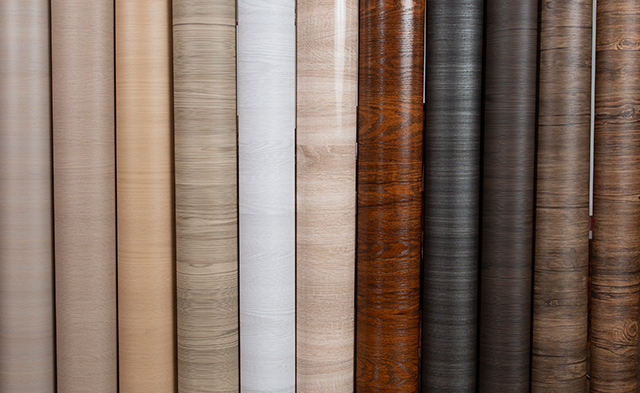
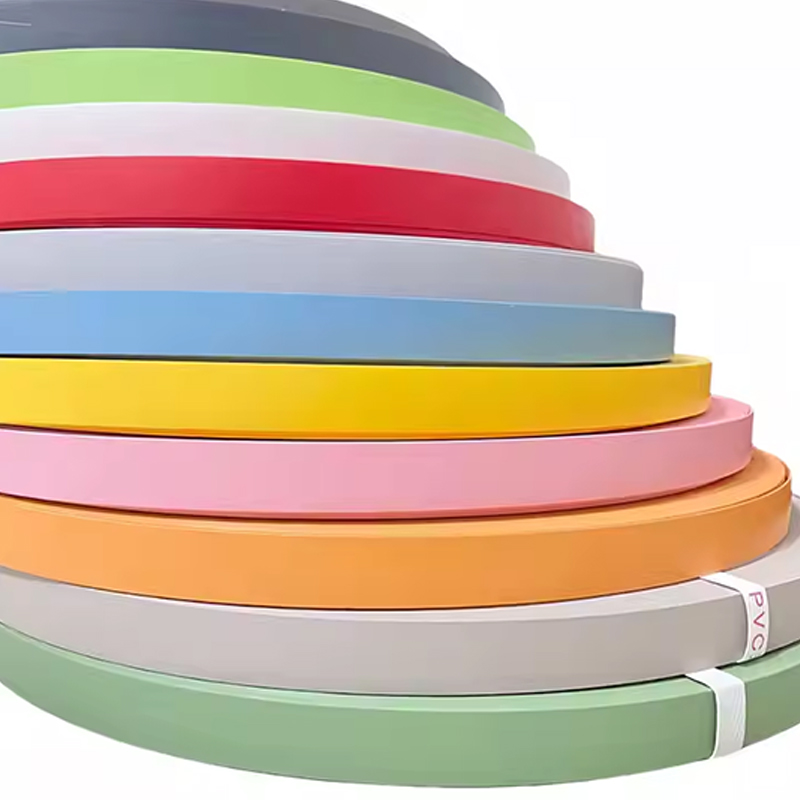
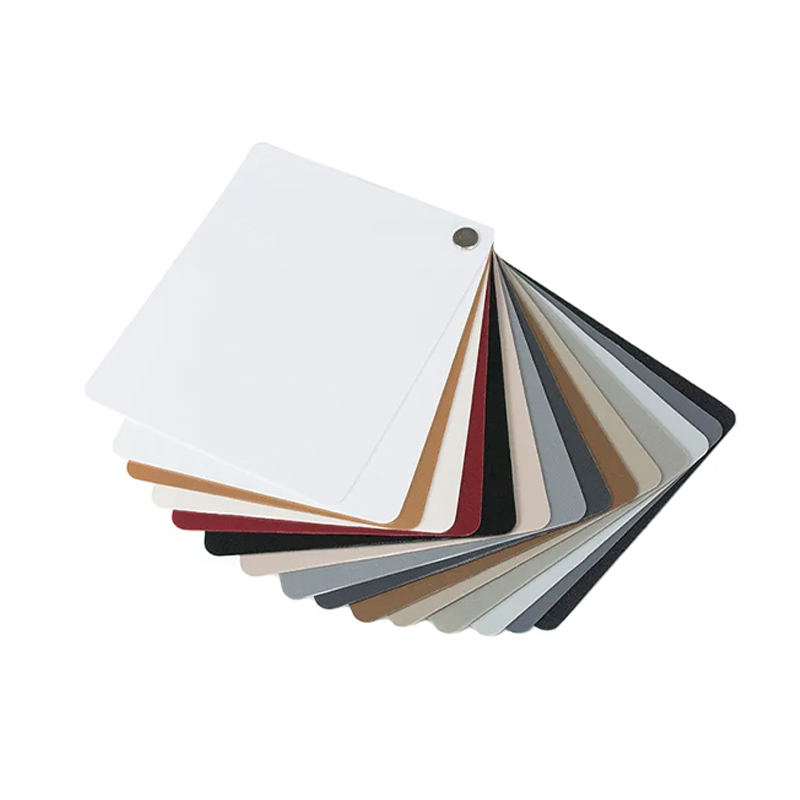
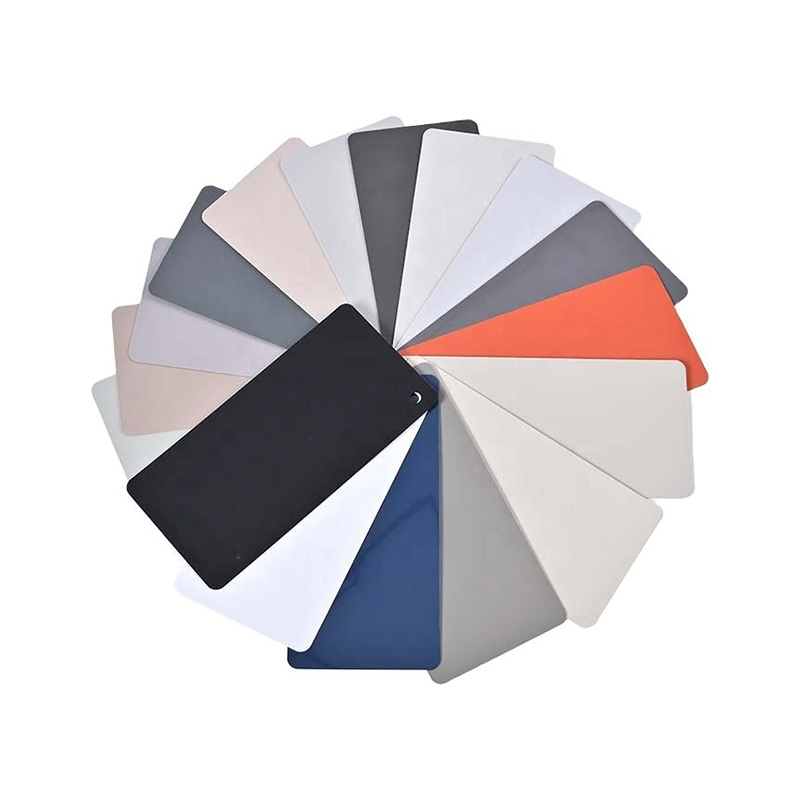
Wood grain, solid color, and marble PVC decorative foil rolls are widely used as lamination film for MDF, WPC, and plywood panels because they provide durable surface decoration, stable adhesion, and consistent visual finishes in furniture and interior panel production. By combining decorative printing layers with protective PVC film structures, these rolls allow manufacturers to transform plain boards into finished decorative surfaces through lamination processes such as vacuum membrane pressing or flat lamination.
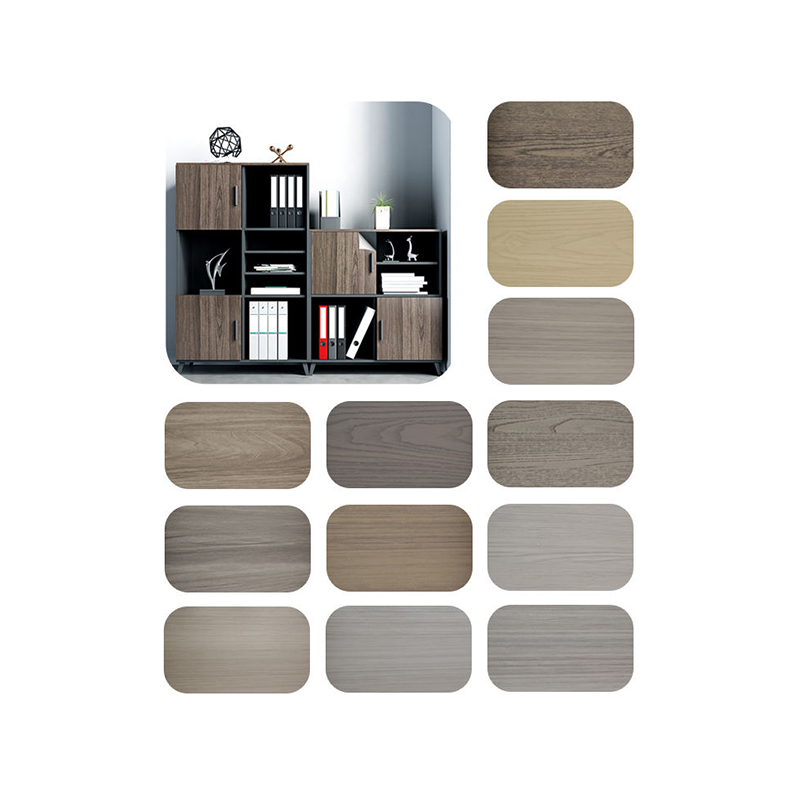
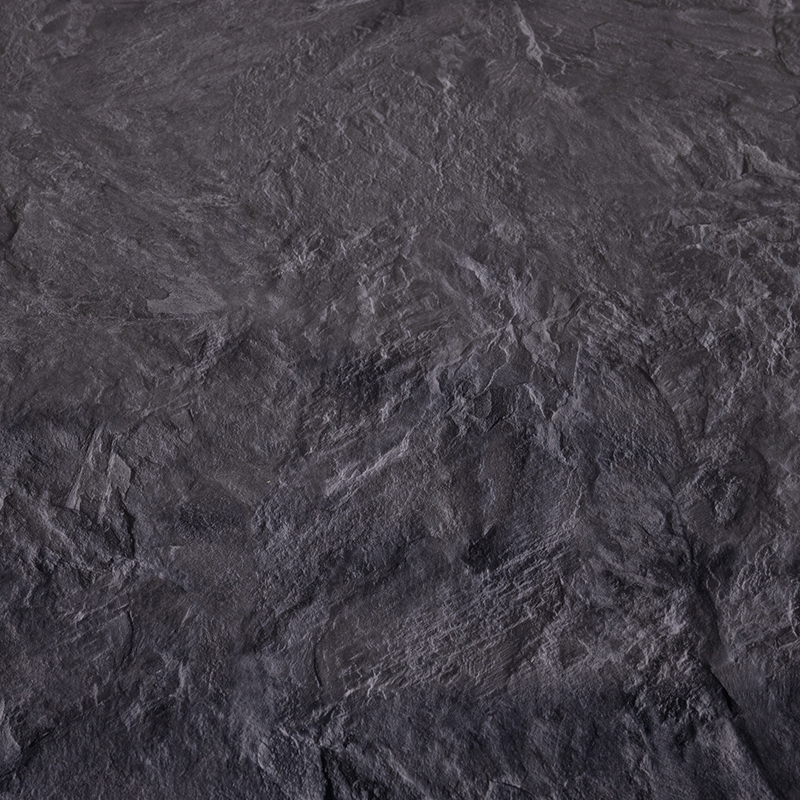
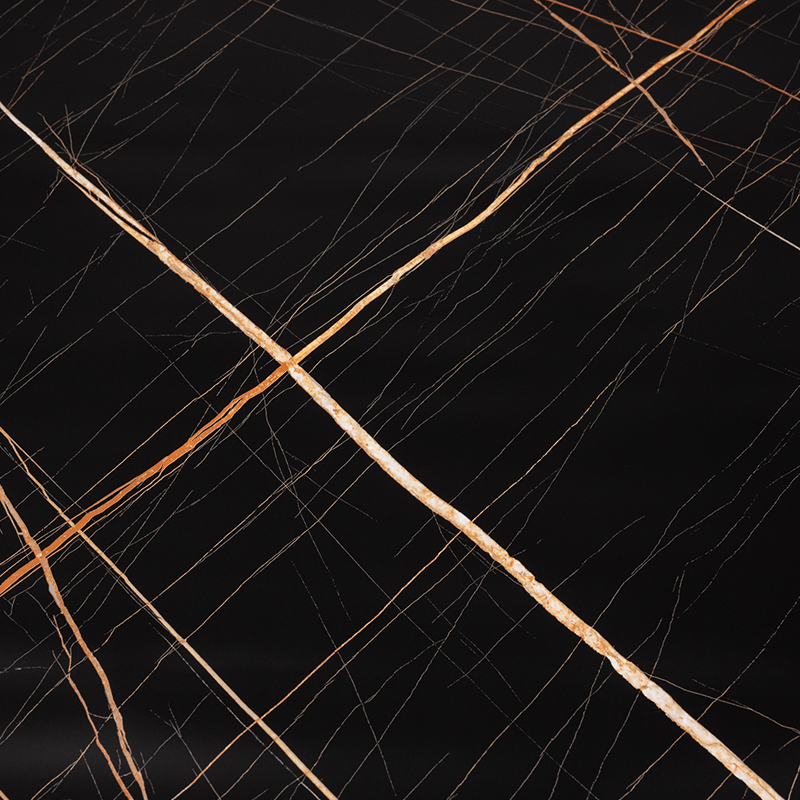
Compared with traditional painting or veneer processes, decorative PVC foil lamination improves production efficiency and reduces material waste. Furniture factories, cabinet manufacturers, wall panel producers, and interior door suppliers frequently use these films to achieve uniform appearance across large production batches while maintaining surface durability. Wood grain patterns simulate natural timber, solid colors provide minimalist modern design options, and marble patterns replicate stone aesthetics on lightweight boards.
Content
- 1 How PVC Decorative Foil Rolls Work in Panel Lamination
- 2 Common Decorative Patterns in PVC Foil Rolls
- 3 Compatibility with MDF, WPC, and Plywood Substrates
- 4 Performance Advantages in Furniture and Interior Manufacturing
- 5 Key Technical Factors When Selecting Lamination Film
- 6 Why Decorative PVC Foil Rolls Remain a Core Surface Solution
How PVC Decorative Foil Rolls Work in Panel Lamination
PVC decorative foil rolls are designed to bond with substrate boards through heat, pressure, and adhesive systems. During lamination, the film is heated to become flexible and is pressed onto MDF, WPC, or plywood surfaces, creating a permanent decorative layer that conforms to the panel shape.
Typical Lamination Structure
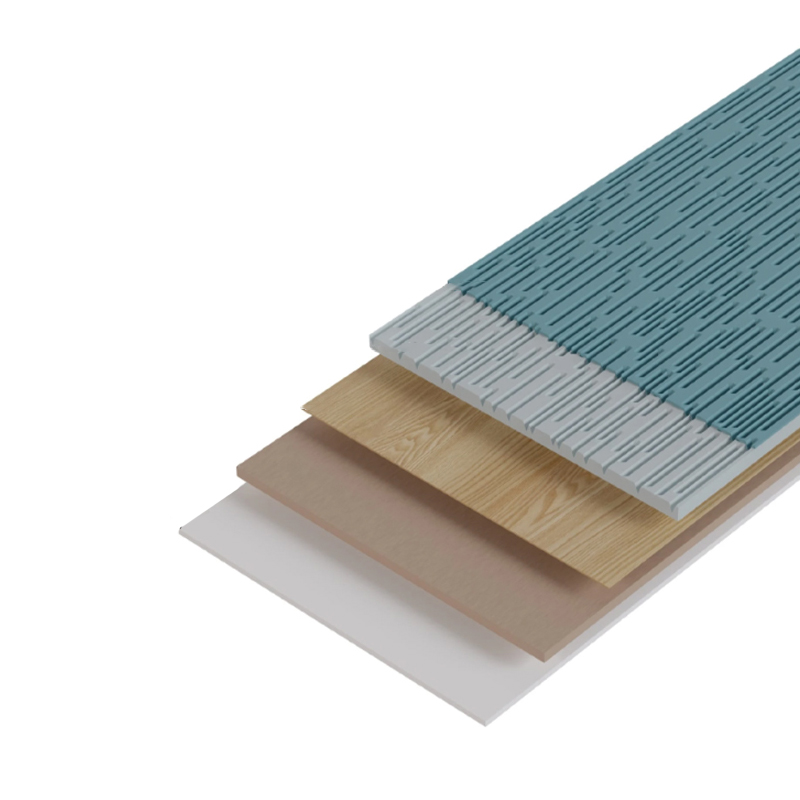
- Protective PVC top layer for abrasion resistance
- Decorative printing layer with wood, color, or marble pattern
- Base PVC layer providing flexibility and thickness stability
- Adhesive interface connecting the film to the substrate board
This multilayer structure allows decorative foils to maintain visual clarity while protecting the panel surface from scratches, moisture exposure, and cleaning chemicals. In furniture applications, laminated surfaces may experience repeated contact, making surface stability a critical factor.
Common Decorative Patterns in PVC Foil Rolls
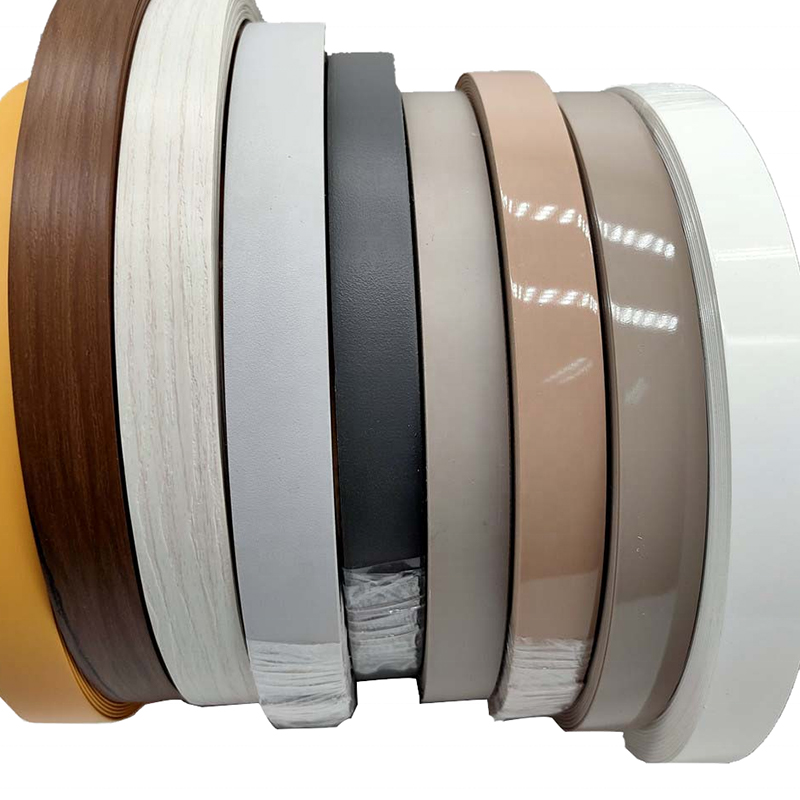
Decorative PVC films are produced with different visual styles to match interior design trends and furniture aesthetics. The three most widely used patterns are wood grain, solid color, and marble finishes.
| Pattern Type | Visual Characteristics | Typical Applications |
|---|---|---|
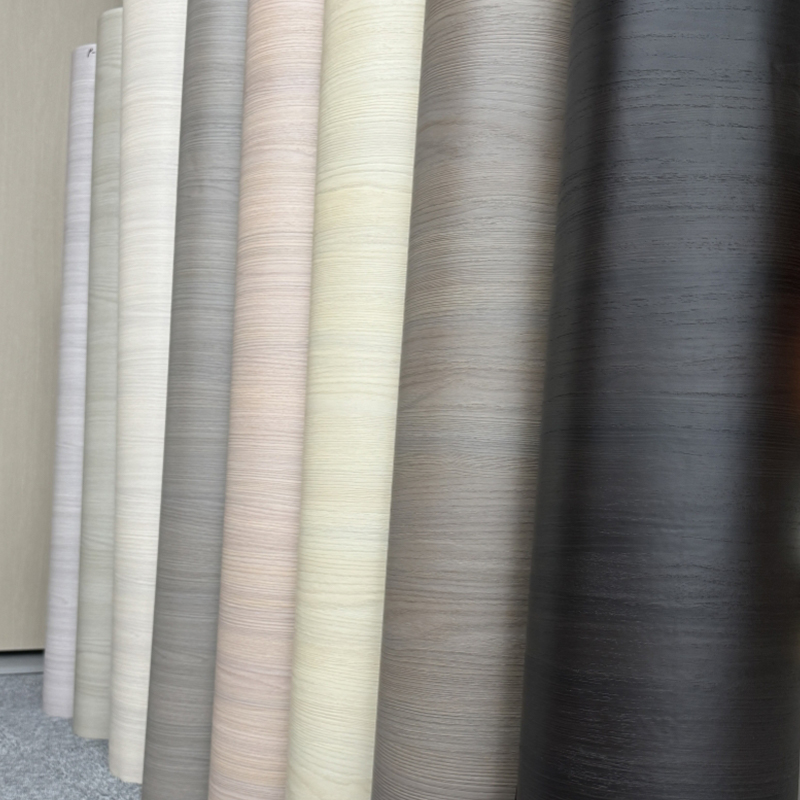
| Wood Grain | Natural timber textures such as oak, walnut, or maple | Cabinets, wardrobes, interior doors |
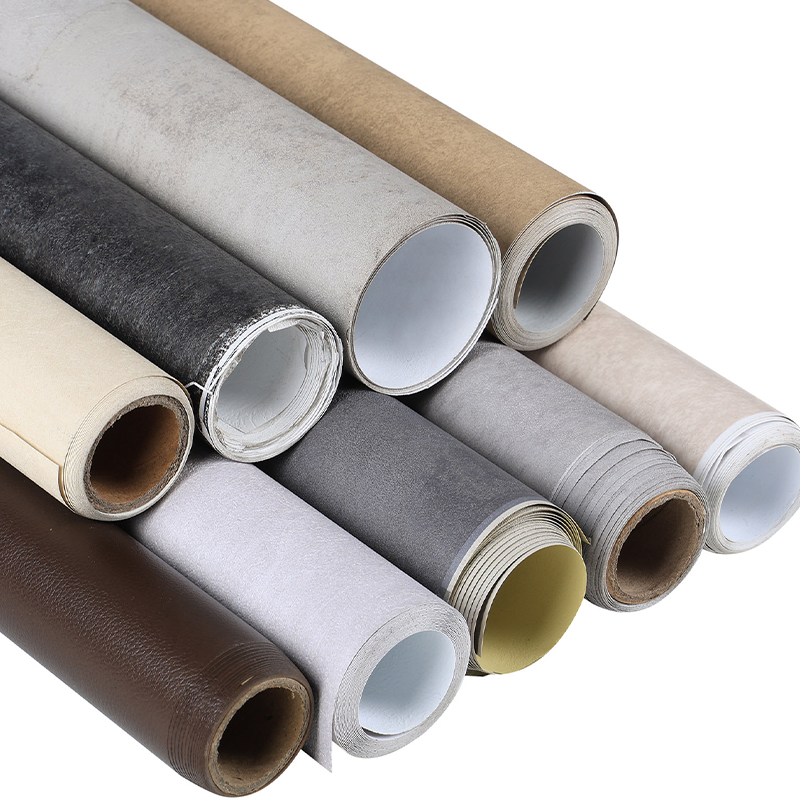
| Solid Color | Uniform matte or gloss finishes | Modern furniture panels, office cabinets |
| Marble Pattern | Stone-like veins and polished texture | Decorative wall panels, tabletops |
Among these options, wood grain finishes account for a significant portion of decorative film demand because they replicate natural wood while avoiding the cost and variability associated with veneer. Large furniture manufacturers often select standardized grain patterns to maintain consistent appearance across thousands of units.
Compatibility with MDF, WPC, and Plywood Substrates
PVC decorative foil lamination is compatible with several engineered panel materials used in furniture and interior construction. Each substrate has unique surface properties that influence adhesion and lamination performance.
MDF Panels
Medium-density fiberboard has a smooth and uniform surface, making it highly suitable for decorative film lamination. Vacuum membrane presses can shape PVC films around edges, grooves, and carved patterns, allowing the creation of complex cabinet door designs.
WPC Boards
Wood plastic composite boards combine wood fiber with polymer materials. PVC foil lamination enhances their appearance by adding decorative surfaces while maintaining moisture resistance. These panels are often used in bathroom furniture or wall panel systems where humidity levels are higher.
Plywood Sheets
Plywood provides structural strength due to its cross-layered veneer construction. Applying decorative PVC film transforms structural panels into finished furniture surfaces, eliminating the need for additional painting or veneer application.
Performance Advantages in Furniture and Interior Manufacturing
Manufacturers select PVC decorative foil rolls because they combine decorative flexibility with functional durability. When properly laminated, the film forms a stable surface layer that withstands daily use.
- Consistent decorative patterns across large production runs
- Improved resistance to surface scratches and wear
- Reduced finishing steps compared with painting or veneering
- Compatibility with automated lamination equipment
Furniture factories operating continuous lamination lines can process large panel volumes efficiently. For example, automated flat lamination systems may handle hundreds of square meters of panel surfaces per hour, making decorative foil rolls suitable for industrial-scale production.
Key Technical Factors When Selecting Lamination Film
Selecting the right decorative foil roll requires evaluating several technical characteristics that affect lamination quality and long-term performance.
Film Thickness
PVC decorative films are produced in different thickness ranges to match lamination methods. Thinner films are suitable for flat lamination, while thicker films offer better coverage for curved or molded surfaces.
Surface Texture
Embossed textures can replicate wood grain pores or stone surfaces. These textures improve the realism of decorative patterns and provide tactile quality to finished furniture panels.
Adhesion Compatibility
Adhesive systems used during lamination must match both the PVC film structure and the substrate board. Proper compatibility prevents peeling or surface bubbling during long-term use.
Why Decorative PVC Foil Rolls Remain a Core Surface Solution
PVC decorative foil lamination continues to play a major role in furniture and interior panel manufacturing because it combines decoration, protection, and production efficiency. With a wide range of wood grain, solid color, and marble patterns, these films allow manufacturers to convert standard MDF, WPC, and plywood boards into finished decorative surfaces through streamlined lamination processes.
As panel-based furniture production continues to expand globally, decorative lamination films provide a scalable way to maintain visual consistency across large product lines while supporting modern design trends. Their compatibility with automated lamination equipment and engineered panel materials ensures that PVC decorative foil rolls remain an essential component in contemporary furniture manufacturing systems.
Recommended Articles
-
1.1 What is PP Decorative Film? PP decorative film is a type of surface material made primarily from polypropylene, a versatile and widely used thermoplastic po...
View More -
Is your furniture looking tired, outdated, or damaged? Imagine transforming it effortlessly into something stunning, durable, and uniquely yours. Enter PVC deco...
View More -
1.Introduction Edge banding is a crucial finishing process used in woodworking and furniture manufacturing to cover and seal the exposed sides of materials such...
View More
Xuanyi

Feel free to contact us
Xuanyi, dedicated to the application and research and development of new materials. Furniture Decorative Film Maufacturers and Factory.
Product Fast Links
Contact Information
-
 Room G, 4th Floor, Bailingshi Building, Haizhou Street, Haining City, Jiaxing City, Zhejiang Province, 314400, China
-
 [email protected]
-
 +86-15059290610
-
 +86-15059290610
Copyright © 2024Jiaxing Xuanyi International Trade Co.,Ltd All Rights Reserved. PVC/PP/PET Lamination Film for MDF WPC Plywood

