
 English
 Español
 عربى
عربى


Industry News
PVC Decorative Film: Normal, Matte Soft Touch & Anti-Scratch
2026-03-12
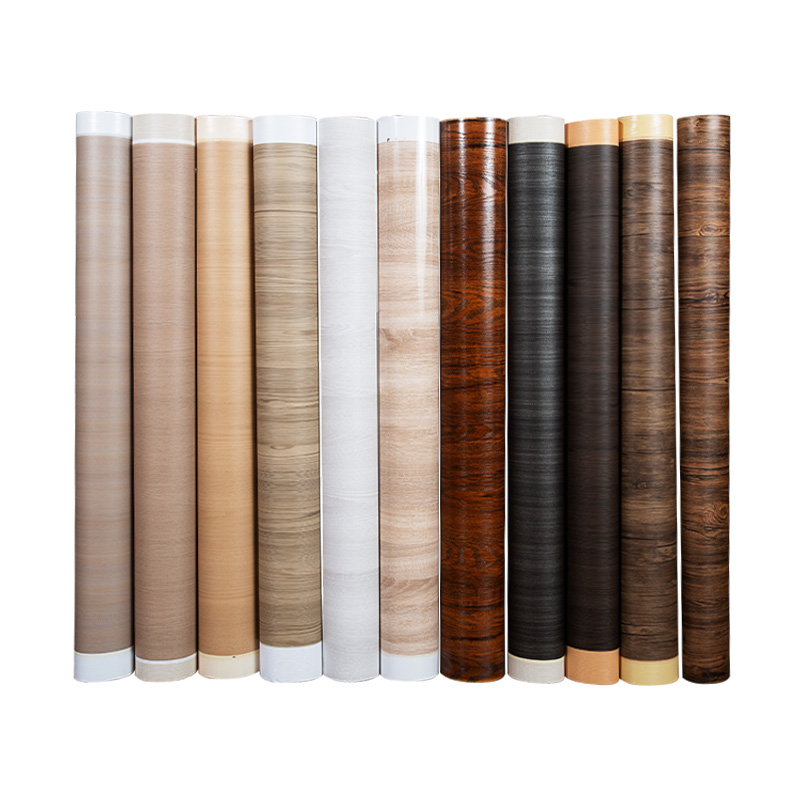
PVC decorative film is one of the most versatile surface finishing materials in furniture manufacturing, interior design, and architectural applications — but choosing between normal PVC decorative film, super matte soft touch PVC decorative film, and anti-scratch PVC decorative film determines the final product's appearance, tactile quality, durability, and suitability for its end-use environment. Each type is engineered for distinct performance priorities: standard decorative appeal, premium haptic softness with ultra-low gloss, or hardened surface resistance to daily wear. Matching the correct film type to the application requirements is the most important decision in surface specification.
Content
- 1 What PVC Decorative Film Is and How It Works
- 2 Normal PVC Decorative Film: The Standard for Cost-Effective Surface Decoration
- 3 Super Matte Soft Touch PVC Decorative Film: Premium Tactile and Visual Experience
- 4 Anti-Scratch PVC Decorative Film: Engineered for Durability in High-Use Environments
- 5 Side-by-Side Comparison of All Three Film Types
- 6 Application Guide: Which Film to Specify for Each Surface Type
What PVC Decorative Film Is and How It Works
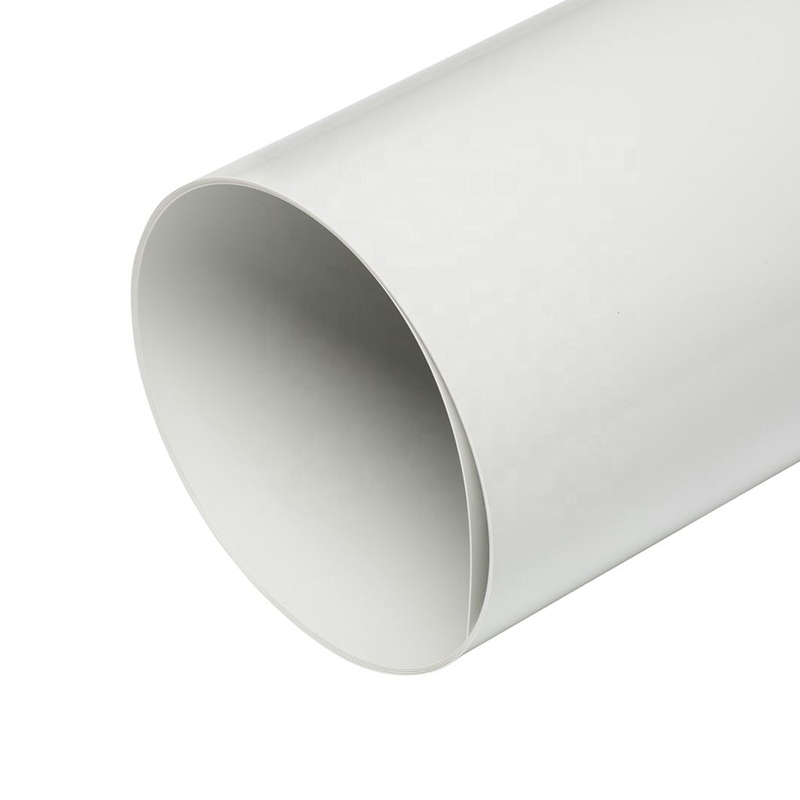
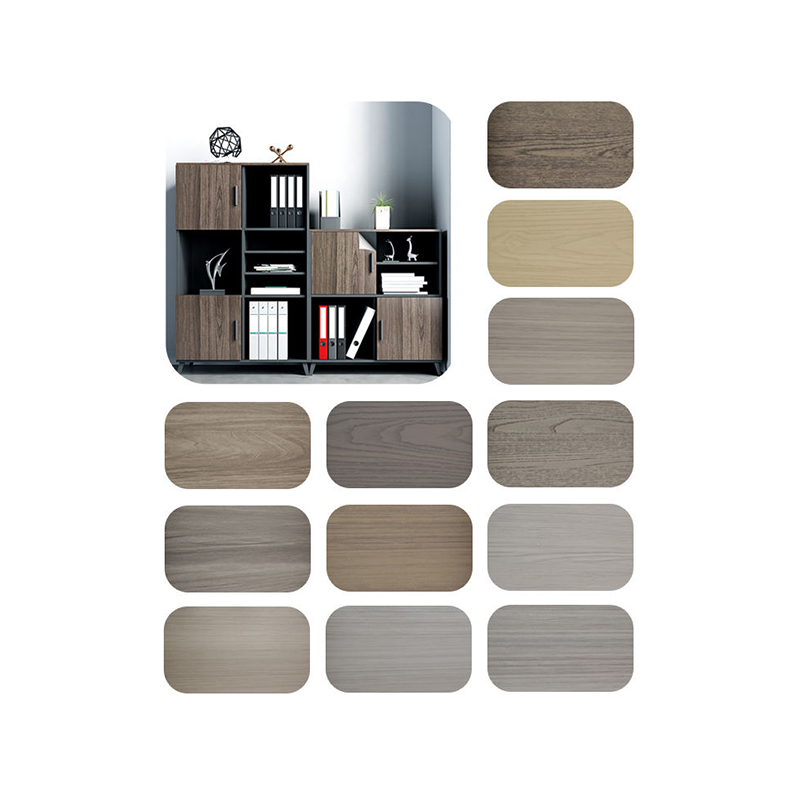
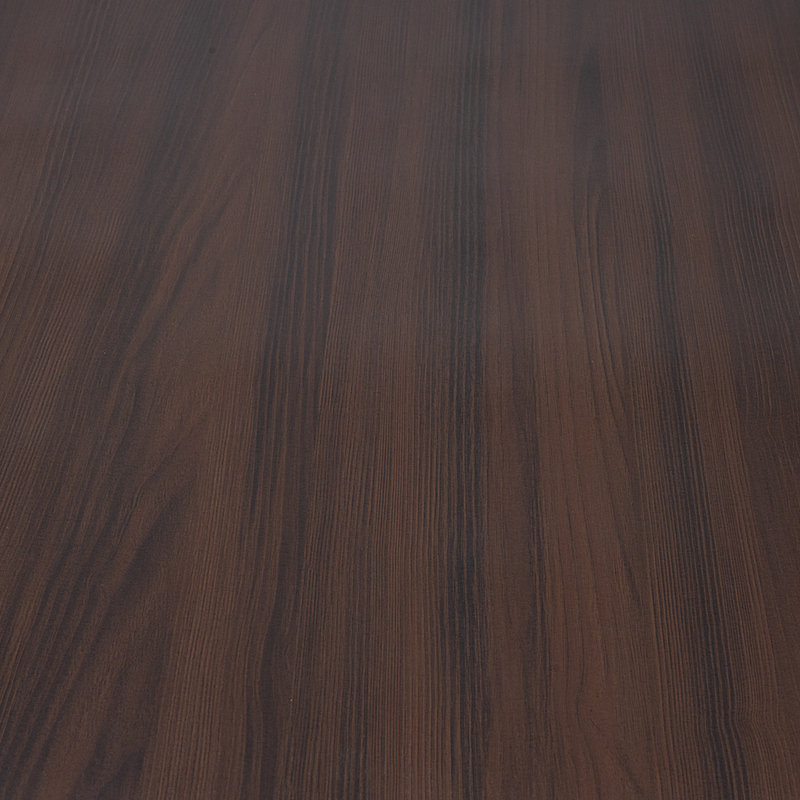
PVC decorative film is a calendered or cast polyvinyl chloride sheet, typically 0.08 mm to 0.5 mm thick, printed with decorative patterns — wood grain, stone, solid color, abstract designs — and finished with a surface treatment that defines its gloss level and functional properties. It is laminated to substrates including MDF, particleboard, plywood, PVC foam board, and metal profiles using hot press, cold press, or roll lamination processes, creating a finished decorative surface that replaces painting, veneering, or direct printing.
The film structure consists of several functional layers: a base PVC layer for dimensional stability and flexibility, a printed ink layer carrying the decorative design, and a surface treatment layer — either a lacquer coating, UV-cured resin, or embossed texture — that determines gloss level, scratch resistance, and tactile characteristics. It is this surface treatment layer that fundamentally differentiates normal, super matte soft touch, and anti-scratch grades from one another.
Normal PVC Decorative Film: The Standard for Cost-Effective Surface Decoration
Normal PVC decorative film is the foundational product category — a gloss or semi-gloss finished film engineered for broad decorative application at competitive cost. Its surface treatment is typically a standard lacquer or acrylic top coat delivering a gloss level of 30–80 GU (gloss units) measured at 60°, depending on the specific product formulation. This gloss range gives normal PVC film its characteristic visual richness, making colors appear vibrant and wood grain patterns appear lively and dimensional.
Core Properties and Performance
- Gloss level: 30–80 GU (semi-gloss to high gloss), creating reflective, visually bold surfaces suited to contemporary and traditional interior styles alike.
- Thickness range: Typically 0.10–0.30 mm, covering the most common membrane pressing and flat lamination requirements in furniture production.
- Flexibility: Good cold and warm flexibility, suitable for membrane pressing onto routed MDF profiles, cabinet door frames, and curved furniture components without cracking or delamination.
- Print fidelity: The glossy surface enhances color depth and pattern contrast in wood grain and decorative designs, producing commercially appealing results across a wide design range.
- Cost position: The most economical film type due to simpler surface treatment chemistry, making it the default specification for budget-conscious furniture, retail fitout, and high-volume residential cabinetry.
Where Normal PVC Decorative Film Is Used
Normal PVC decorative film dominates applications where visual appearance is the primary requirement and scratch or wear resistance is a secondary concern. Kitchen cabinet door fronts in rental and hospitality properties, wardrobe carcass interiors, retail display shelving, and office furniture flat panels are among the highest-volume applications. In these contexts, the film's cost efficiency and broad design availability outweigh the scratch performance limitations that would matter more in high-contact surfaces like countertops or tabletops.
Super Matte Soft Touch PVC Decorative Film: Premium Tactile and Visual Experience
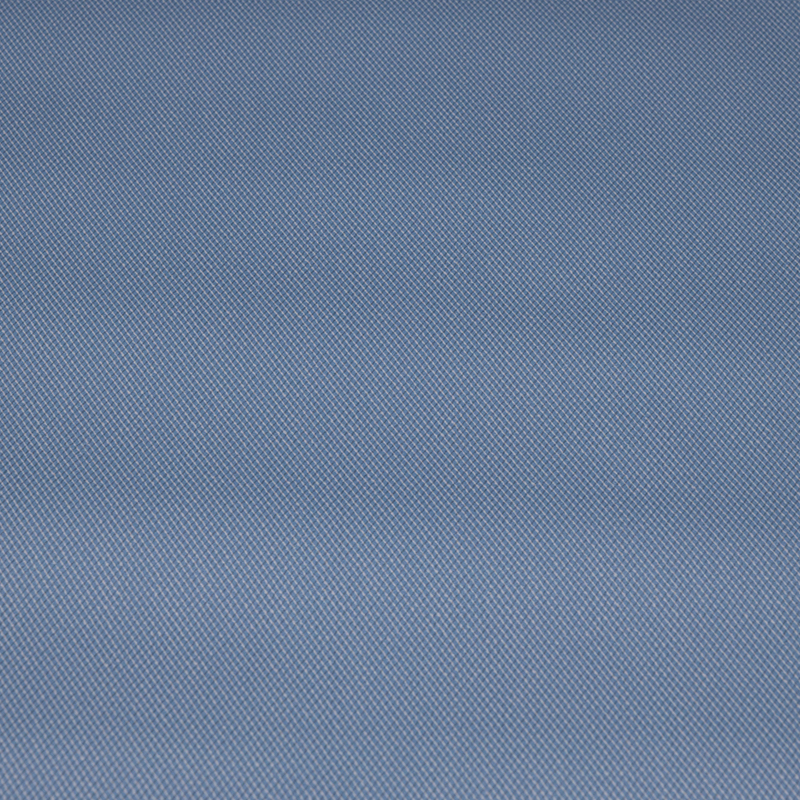
Super matte soft touch PVC decorative film represents a significant step up from normal film in both surface engineering complexity and end-user sensory experience. The defining characteristic is its ultra-low gloss level of 1–5 GU combined with a distinctive velvet-like tactile surface that feels smooth, warm, and luxurious to the touch — entirely unlike the hard, slick feel of conventional PVC film. This combination of visual flatness and soft haptic quality has made it the dominant premium surface specification in high-end residential furniture, luxury retail environments, and prestige automotive interior trim.
How the Soft Touch Surface is Created
The super matte soft touch finish is achieved through a specialized UV-cured polyurethane or water-based topcoat formulation containing micro-structured matting agents and soft-feel additives — typically silicone-modified compounds or wax dispersions. When cured, this topcoat creates a microscopically rough surface that scatters light rather than reflecting it (producing the ultra-low gloss reading) while its flexible, slightly compressible texture delivers the characteristic soft tactile response. The surface roughness Ra value of a genuine soft touch finish is typically 1.5–3.5 µm, measurably different from both standard matte films (Ra 0.5–1.0 µm) and high gloss films (Ra <0.3 µm).
Key Performance Characteristics
- Gloss level: 1–5 GU at 60° — true ultra-matte with virtually no surface reflection, providing a sophisticated, calm visual aesthetic highly valued in contemporary design.
- Haptic quality: Velvet-soft, warm tactile feel that differentiates premium furniture products from standard offerings at the point of touch, supporting higher price positioning.
- Fingerprint resistance: The matte micro-texture diffuses fingerprint oil deposits, making them less visible than on high-gloss surfaces — a major practical advantage on frequently handled surfaces like cabinet handles and door pulls.
- Formaldehyde and VOC levels: Premium super matte soft touch films from reputable manufacturers are certified to E0 or E1 formaldehyde emission standards and REACH compliance, essential for residential interior applications in Europe and increasingly required in Asian markets.
Limitations to Consider
The soft touch topcoat, while visually and tactilely superior, is more susceptible to scratch and abrasion marking than anti-scratch grade films. The micro-structured surface can also be more difficult to clean in heavily soiled environments, as particulate contamination can lodge in the surface texture. Super matte soft touch film is therefore most correctly specified for vertical surfaces, door fronts, and low-contact decorative panels rather than horizontal work surfaces or high-traffic tabletops where durability is the primary requirement.
Anti-Scratch PVC Decorative Film: Engineered for Durability in High-Use Environments
Anti-scratch PVC decorative film is specifically engineered to resist surface marring, scratching, and abrasion damage from everyday contact — keys, cutlery, ceramic objects, cleaning tools, and repeated wiping. The surface hardness is achieved through a UV-cured hard coating or polyurethane-acrylic hybrid topcoat with a pencil hardness rating of 2H to 4H, compared to H or below for normal and soft touch films. This hardness level places the surface performance significantly above standard PVC film and comparable to entry-level melamine-faced board in scratch resistance testing.
How Anti-Scratch Performance is Measured
Anti-scratch performance in PVC decorative film is evaluated using standardized test methods. The most relevant are the Taber Abrasion Test (ASTM D4060), measuring material loss under rotating abrasive wheels, and the Steel Wool Scratch Test, where a defined load is applied through steel wool of specified coarseness over a set number of strokes. Quality anti-scratch films maintain a Taber abrasion loss of less than 80 mg after 500 cycles with CS-10 wheels at 1,000 g load — a benchmark that normal PVC films typically fail at values of 150–300 mg under the same conditions.
Surface Finish Options in Anti-Scratch Film
Unlike the soft touch category which is inherently ultra-matte, anti-scratch PVC decorative film is available across a range of gloss levels — from high gloss (60–90 GU) to matte anti-scratch (5–15 GU). Matte anti-scratch film combines the visual calm of a low-gloss surface with substantially improved surface durability, addressing the key weakness of standard super matte films. This makes matte anti-scratch the preferred specification for kitchen worktop cladding, desk surfaces, children's furniture, and any application requiring both aesthetic sophistication and real-world toughness.
Additional Functional Properties
- Chemical resistance: The UV hard coat provides measurably better resistance to common household chemicals — dilute acids, alkalis, ethanol, and cleaning agents — than standard PVC topcoats, reducing surface dulling and staining from routine cleaning.
- Stain resistance: Tighter surface porosity in hard-coated films prevents penetration of coffee, tea, ink, and food colorants that cause permanent staining on more porous soft touch surfaces.
- Cleanability: Smooth, hard surfaces are easier to wipe clean and maintain hygiene in food preparation and healthcare environments, making anti-scratch film appropriate for hospital furniture, school desks, and catering equipment panels.
- Temperature resistance: Premium anti-scratch films maintain surface integrity at temperatures up to 70–80°C, providing some resistance to heat from cups and warm objects on tabletop and countertop applications.
Side-by-Side Comparison of All Three Film Types
The table below consolidates the key performance and application parameters across all three PVC decorative film types, providing a clear reference for specification decisions.
| Property | Normal PVC Film | Super Matte Soft Touch | Anti-Scratch PVC Film |
|---|---|---|---|
| Gloss Level (GU at 60°) | 30–80 | 1–5 | 5–90 (range available) |
| Pencil Hardness | HB–H | HB–H | 2H–4H |
| Tactile Feel | Smooth/slick | Velvet/soft | Smooth/hard |
| Scratch Resistance | Standard | Low–Medium | High |
| Fingerprint Visibility | High (gloss) | Low | Low–Medium |
| Chemical Resistance | Moderate | Moderate | Good–Excellent |
| Relative Cost | Low | Medium–High | Medium–High |
| Premium Market Positioning | Standard | Luxury/premium | Functional premium |
Application Guide: Which Film to Specify for Each Surface Type
Correct film selection by application surface type prevents the most common specification mistakes — using soft touch film on tabletops where it will scratch visibly within months, or over-specifying costly anti-scratch film for interior shelf surfaces where durability is irrelevant. The following guide maps film types to surface applications based on contact frequency and performance requirements.
| Surface / Application | Recommended Film Type | Reason |
|---|---|---|
| Cabinet door fronts (budget) | Normal PVC Film | Cost efficiency; moderate contact only |
| Premium wardrobe and cabinet doors | Super Matte Soft Touch | Luxury aesthetics; vertical surface, low abrasion |
| Kitchen worktops and desk surfaces | Anti-Scratch PVC Film | High contact; abrasive objects; chemical exposure |
| Children's furniture | Anti-Scratch PVC Film | Heavy use; toy abrasion; easy-clean requirement |
| Retail display and shopfitting | Normal or Anti-Scratch PVC Film | Visual impact priority; high-traffic surfaces need durability |
| Luxury hotel room furniture | Super Matte Soft Touch | Premium haptic and visual positioning; vertical surfac |

Recommended Articles
-
1.1 What is PP Decorative Film? PP decorative film is a type of surface material made primarily from polypropylene, a versatile and widely used thermoplastic po...
View More -
Is your furniture looking tired, outdated, or damaged? Imagine transforming it effortlessly into something stunning, durable, and uniquely yours. Enter PVC deco...
View More -
1.Introduction Edge banding is a crucial finishing process used in woodworking and furniture manufacturing to cover and seal the exposed sides of materials such...
View More
Xuanyi

Feel free to contact us
Xuanyi, dedicated to the application and research and development of new materials. Furniture Decorative Film Maufacturers and Factory.
Product Fast Links
Contact Information
-
 Room G, 4th Floor, Bailingshi Building, Haizhou Street, Haining City, Jiaxing City, Zhejiang Province, 314400, China
-
 [email protected]
-
 +86-15059290610
-
 +86-15059290610
Copyright © 2024Jiaxing Xuanyi International Trade Co.,Ltd All Rights Reserved. PVC/PP/PET Lamination Film for MDF WPC Plywood

