
 English
 Español
 عربى
عربى


Industry News
PP Decorative Film: Uses, Benefits & Suppliers
2026-03-17
Content
What Is PP Decorative Film?
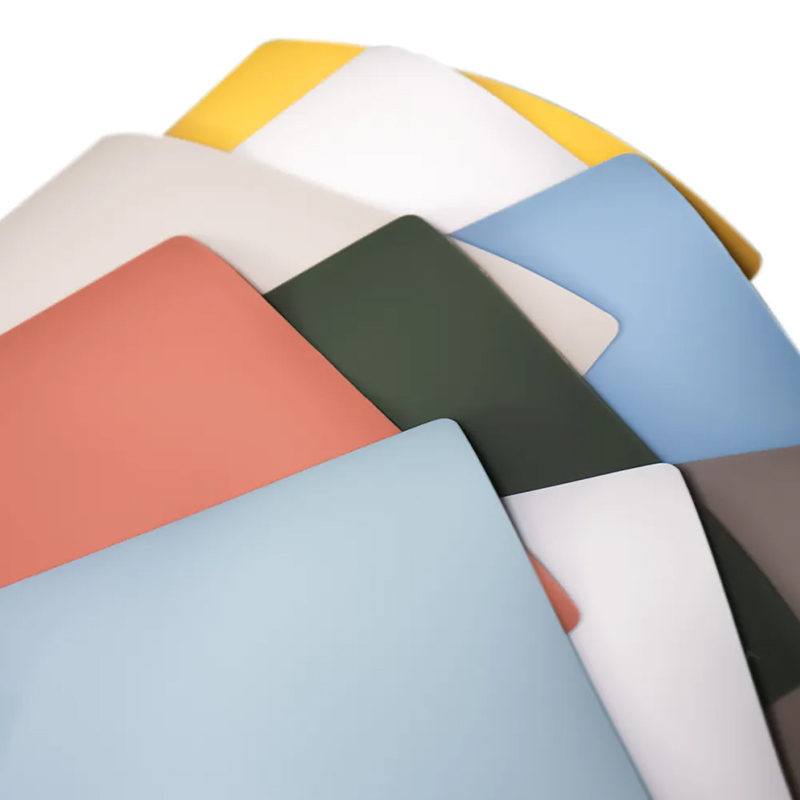
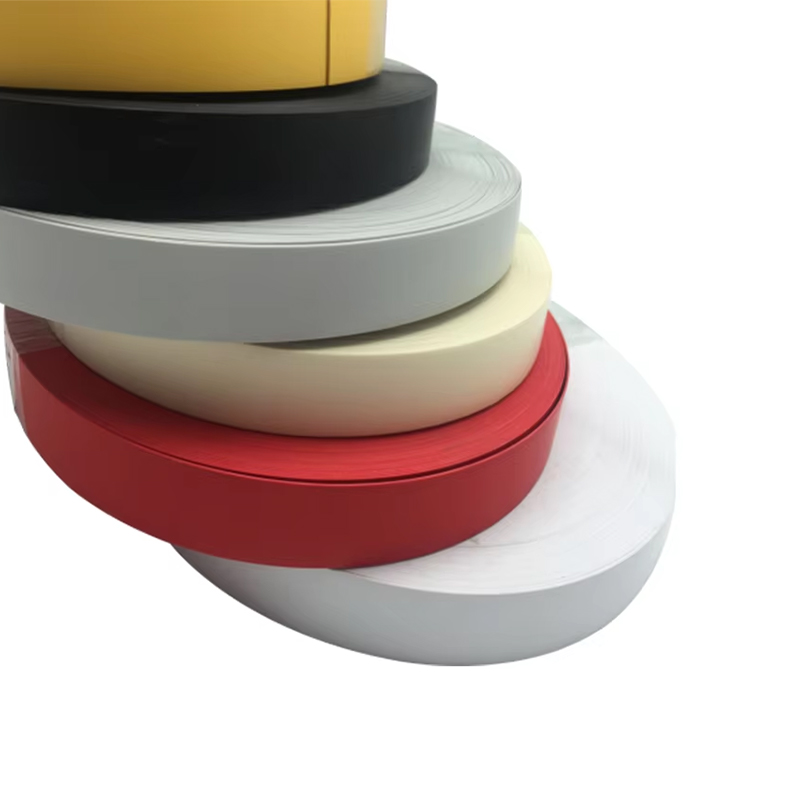
PP decorative film is a high-performance surface finishing material that uses polypropylene (PP) as its primary raw material, engineered to deliver aesthetic enhancement and functional protection across a wide range of substrates and end-use environments. Polypropylene is a thermoplastic polymer valued for its excellent chemical resistance, dimensional stability, low density, and outstanding processability — properties that translate directly into a decorative film with superior durability, consistent visual quality, and broad application compatibility. As a decorative material with polypropylene as the main raw material, PP decorative film has established itself as one of the most versatile surface solutions available to manufacturers and designers working across construction, home furnishing, home appliances, and automotive sectors.
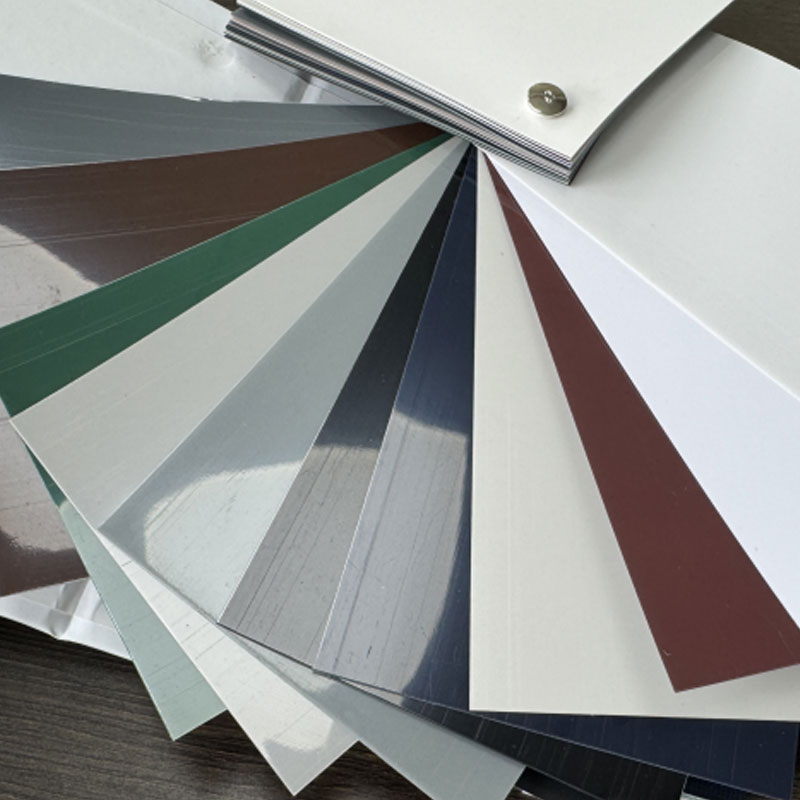
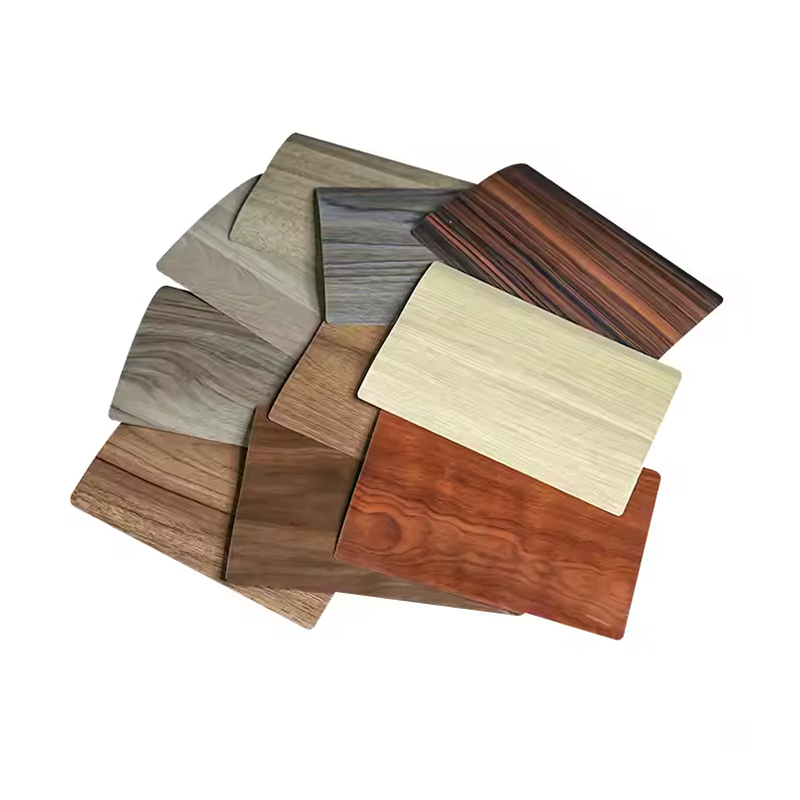
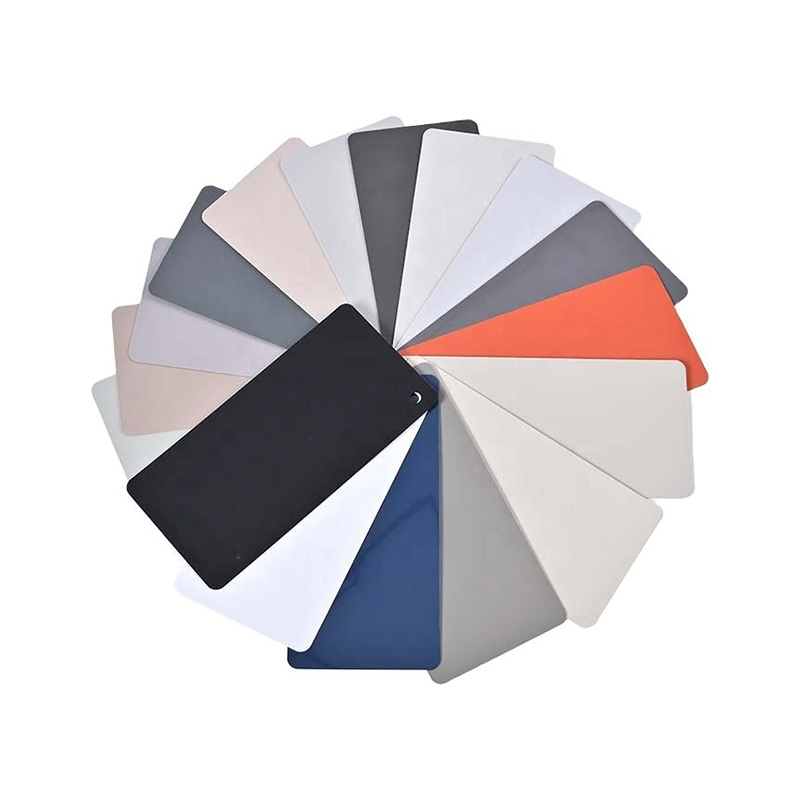
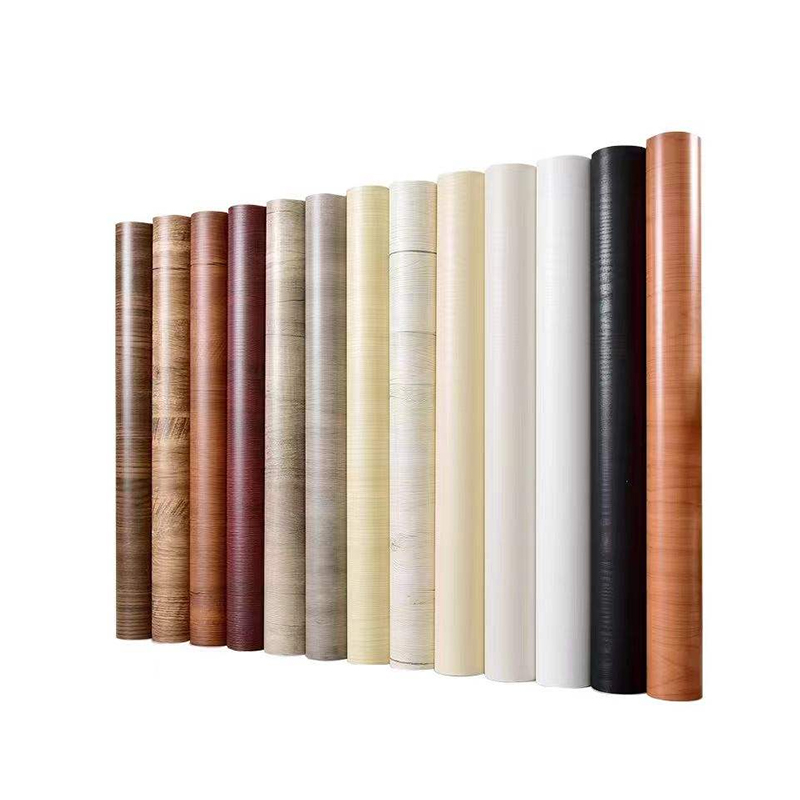
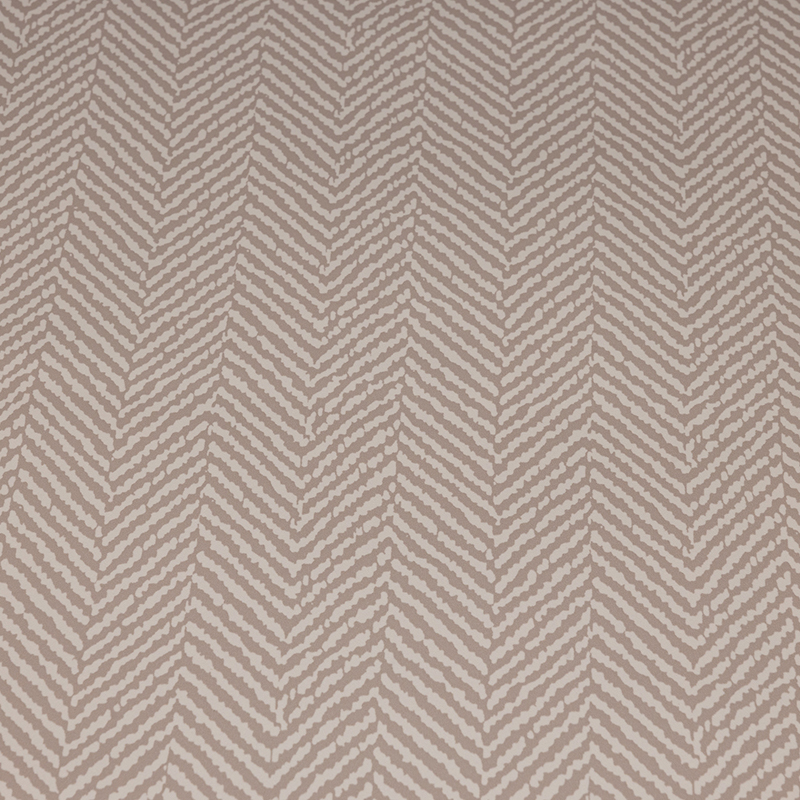
The film is produced through a combination of extrusion, calendering, and precision printing or embossing processes that allow manufacturers to replicate virtually any visual effect — from realistic wood grain and stone textures to solid colors, metallic finishes, and abstract geometric patterns. The resulting material is supplied in roll form by decoration film suppliers and applied to substrates including MDF, particleboard, PVC profiles, metal panels, and plastic components using lamination, thermal bonding, or pressure-sensitive adhesive systems. The combination of design flexibility, processing efficiency, and cost-effectiveness has made PP decorative film a preferred alternative to traditional surface treatments such as painting, veneering, and powder coating across multiple industries.
Key Material Advantages of Polypropylene as a Film Base
The performance characteristics of PP decorative film are fundamentally rooted in the intrinsic properties of polypropylene as a base polymer. Understanding these material advantages helps buyers and specifiers appreciate why PP outperforms alternative film substrates such as PVC, ABS, or paper in many demanding decorative applications — and why leading decoration film suppliers have invested heavily in PP-based product development.
- Chemical Resistance: Polypropylene is highly resistant to a broad spectrum of household chemicals, cleaning agents, oils, and solvents. This makes PP decorative film an excellent choice for kitchen furniture, bathroom panels, and appliance surfaces that are routinely exposed to detergents, disinfectants, and food-contact substances without risk of surface degradation or color change.
- Moisture and Humidity Resistance: Unlike paper-based decorative materials that absorb moisture and swell or delaminate in humid environments, PP film is inherently hydrophobic. It maintains its dimensional stability and adhesion integrity in bathrooms, kitchens, outdoor furniture, and other moisture-prone applications where alternative materials regularly fail.
- Lightweight Construction: With a density of approximately 0.9 g/cm³ — lower than most competing thermoplastic films — PP decorative film adds minimal weight to finished products. This is particularly valuable in automotive interior applications where every gram of weight reduction contributes to improved fuel economy or extended EV range.
- Environmental Profile: PP is free from halogens and plasticizers such as phthalates that are present in PVC films, making PP decorative film a more environmentally responsible choice for manufacturers pursuing green building certifications, RoHS compliance, or low-VOC interior environment standards.
- Recyclability: Polypropylene is one of the most widely recycled thermoplastics globally, with established collection and reprocessing infrastructure in most markets. PP decorative film-laminated products can be more easily handled in end-of-life recycling streams compared to multi-material laminates containing PVC or thermoset coatings.
- Thermal Formability: PP film softens uniformly when heated, enabling it to conform precisely to three-dimensional profiles during membrane pressing and thermoforming operations — a critical processing advantage for furniture door fronts, automotive trim components, and appliance housing parts with complex curved geometries.
Applications of PP Decorative Film Across Industries
The many significant advantages of PP decorative film have driven its adoption across a diverse range of industries and product categories. Each application sector places different demands on the film's performance — from the scratch resistance required in flooring applications to the heat resistance needed in appliance housings — and the best decoration film suppliers offer tailored product grades optimized for each specific end use.
Construction and Architectural Applications
In the construction sector, PP decorative film is widely applied to wall panels, ceiling tiles, door skins, window profiles, and skirting boards as a cost-effective and durable alternative to paint or natural wood veneer. The film's ability to replicate authentic stone, timber, and concrete textures with high visual fidelity allows architects and interior designers to specify premium aesthetic finishes at a fraction of the material and installation cost of genuine natural materials. PP film-wrapped PVC and aluminum window profiles deliver consistent color and texture that withstand prolonged UV exposure and temperature cycling without fading, cracking, or peeling — performance characteristics that are particularly important for exterior architectural applications in regions with demanding climatic conditions.
Home Furnishing and Furniture Manufacturing
The furniture industry is one of the largest consumers of PP decorative film globally, applying it to cabinet doors, drawer fronts, shelving units, table tops, and bed frames to achieve the visual richness of solid wood or lacquer at significantly lower production cost and with greater consistency across large production batches. Membrane pressing — a process in which heated PP film is vacuum-drawn over a three-dimensional MDF substrate — allows furniture manufacturers to produce intricately profiled cabinet doors with seamlessly wrapped edges and routed details that would be impractical to finish by any other means. The film's scratch and abrasion resistance is particularly valued in high-traffic furniture applications such as kitchen cabinets and children's bedroom furniture where surface durability directly impacts product longevity.
Home Appliances
Home appliance manufacturers use PP decorative film to surface refrigerator door panels, washing machine fascias, air conditioner housings, and small kitchen appliance bodies. The film must withstand elevated surface temperatures, repeated cleaning with household detergents, and the mechanical stresses of assembly without delaminating or discoloring. PP film meets these requirements reliably while offering appliance designers a broad palette of colors, textures, and gloss levels to align product aesthetics with brand identity guidelines. The move toward premium matte finishes and soft-touch surface effects in high-end appliances has driven decoration film suppliers to develop specialized PP film grades with micro-textured surfaces that deliver a tactile quality premium that consumers associate with sophisticated product design.
Automotive Interior Applications
In the automotive sector, PP decorative film is applied to instrument panel components, door trim panels, center console surfaces, pillar trims, and glove box lids. Automotive-grade PP film must satisfy particularly stringent performance requirements — withstanding interior temperatures that can exceed 80°C in parked vehicles, resisting UV degradation from sunlight entering through glass, maintaining adhesion through thousands of thermal cycles, and meeting strict automotive OEM fogging and VOC emission limits. The lightweight nature of PP film compared to painted or vacuum-metallized plastic components contributes meaningfully to vehicle weight reduction targets, while the film's design flexibility supports the trend toward personalized interior trim options that allow buyers to configure their vehicles with different color and texture combinations.
PP Decorative Film Product Specifications at a Glance
| Property | Typical Specification | Significance |
| Film Thickness | 80 – 500 microns | Thicker grades for heavy-duty forming; thinner for flat lamination |
| Surface Gloss | 3 – 95 GU (matte to high gloss) | Wide range covers all design aesthetics |
| Service Temperature | -20°C to +90°C | Suitable for both cold-climate and automotive applications |
| Light Fastness | Grade 5–7 (ISO 105-B02) | Excellent color retention under UV exposure |
| Roll Width | 600 – 1,600 mm | Accommodates standard panel and profile dimensions |
| Scratch Resistance | ≥ 3H pencil hardness | Protects surface aesthetics in high-contact applications |
How to Evaluate and Select Decoration Film Suppliers
Choosing the right decoration film suppliers is as important as selecting the correct film grade for a given application. The quality consistency, product range depth, technical support capability, and supply reliability of a supplier directly impact a manufacturer's production efficiency, finished product quality, and ability to respond to market demand fluctuations. With the global PP decorative film market served by a large number of suppliers ranging from large integrated chemical companies to specialist converters, applying a structured evaluation framework helps buyers identify partners who can deliver sustained value rather than simply the lowest initial unit price.
- Product Range and Customization Capability: Leading decoration film suppliers maintain broad standard product catalogs while also offering custom color matching, texture development, and thickness specification services. The ability to develop bespoke film solutions for specific brand identity or performance requirements is a key differentiator for suppliers serving premium furniture, appliance, and automotive customers.
- Quality Management Certification: Suppliers certified to ISO 9001 quality management standards and, for automotive applications, IATF 16949 demonstrate the process discipline and documentation rigor needed to deliver consistent product quality across large production volumes and multiple batch deliveries.
- Environmental and Safety Compliance: Verify that the supplier's PP decorative film products comply with relevant regulations including REACH, RoHS, California Proposition 65, and applicable food-contact or toy safety standards if the finished products will be sold in regulated markets.
- Technical Application Support: The best decoration film suppliers provide active technical assistance — helping customers optimize lamination parameters, troubleshoot adhesion issues, select appropriate adhesive systems, and qualify film grades for new substrate combinations — rather than simply fulfilling orders without engagement.
- Supply Chain Reliability: Evaluate the supplier's raw material sourcing strategy, production capacity, inventory management practices, and track record for on-time delivery. Suppliers with dedicated PP resin supply agreements and sufficient finished goods inventory buffer are better positioned to maintain delivery commitments during periods of raw material market volatility.
- Sample and Trial Order Process: Reputable decoration film suppliers offer structured sample programs that allow buyers to evaluate color accuracy, texture fidelity, processing behavior, and performance compliance before committing to production volumes — an essential step for qualifying any new film grade or supplier relationship.

Recommended Articles
-
1.1 What is PP Decorative Film? PP decorative film is a type of surface material made primarily from polypropylene, a versatile and widely used thermoplastic po...
View More -
Is your furniture looking tired, outdated, or damaged? Imagine transforming it effortlessly into something stunning, durable, and uniquely yours. Enter PVC deco...
View More -
1.Introduction Edge banding is a crucial finishing process used in woodworking and furniture manufacturing to cover and seal the exposed sides of materials such...
View More
Xuanyi

Feel free to contact us
Xuanyi, dedicated to the application and research and development of new materials. Furniture Decorative Film Maufacturers and Factory.
Product Fast Links
Contact Information
-
 Room G, 4th Floor, Bailingshi Building, Haizhou Street, Haining City, Jiaxing City, Zhejiang Province, 314400, China
-
 [email protected]
-
 +86-15059290610
-
 +86-15059290610
Copyright © 2024Jiaxing Xuanyi International Trade Co.,Ltd All Rights Reserved. PVC/PP/PET Lamination Film for MDF WPC Plywood

