
 English
 Español
 عربى
عربى


Industry News
PETG Decorative Film: Properties & Applications
2026-03-23
Content
- 1 What Makes PETG Decorative Film a Superior Choice for Modern Decoration
- 2 Optical Clarity and Surface Gloss That Elevate Decoration Quality
- 3 Weather Resistance and Long-Term Stability in Demanding Environments
- 4 Wear Resistance and Scratch Protection for High-Traffic Surfaces
- 5 Processing Performance, Installation Ease, and Practical Handling Advantages
- 6 Design Flexibility, Color Options, and Environmental Credentials
What Makes PETG Decorative Film a Superior Choice for Modern Decoration
PETG decorative film has established itself as one of the most technically well-rounded surface finishing materials available to designers, fabricators, and manufacturers working across residential, commercial, and industrial decoration segments. PETG — glycol-modified polyethylene terephthalate — is a thermoplastic polyester that combines the processing advantages of standard PET with significantly improved toughness, clarity, and chemical resistance achieved through the substitution of a portion of the ethylene glycol monomer with cyclohexanedimethanol during polymerization. This molecular modification is what gives PETG its distinctive balance of optical quality, mechanical durability, and formability that makes it exceptionally well suited to decorative film applications.
Unlike conventional decorative films based on PVC or standard polyester, PETG decorative film delivers a combination of performance properties that address the full lifecycle demands of a decorated surface — from the initial visual impact at installation through years of exposure to environmental stress, mechanical wear, and cleaning chemistry. Understanding these properties in practical terms is the most useful starting point for any specifier or buyer evaluating PETG decorative film for a specific project or product application.
Optical Clarity and Surface Gloss That Elevate Decoration Quality
The most immediately apparent property of PETG decorative film is its excellent high transparency and glossiness, which sets it apart from competing film materials in applications where visual quality is the primary design requirement. PETG achieves light transmittance values typically above 90%, comparable to optical-grade acrylic, and its refractive index produces a surface gloss that enhances the perceived depth and richness of printed patterns, solid colors, and metallic or mirror-effect finishes applied beneath or within the film structure.
In practical decoration contexts, this optical performance translates directly into an elevated visual beauty and overall texture of the finished surface. Furniture panels laminated with high-gloss PETG decorative film achieve a piano-finish appearance without the lacquer application cycles and curing time that conventional high-gloss painting requires. Retail display fixtures and point-of-sale units benefit from the film's ability to present brand colors and graphic content with exceptional clarity and color saturation. For interior architectural panels — wall cladding, ceiling tiles, partition surfaces — the combination of transparency and gloss creates a premium aesthetic impression that significantly exceeds what standard decorative papers or matte films can deliver at comparable cost.
The gloss level of PETG decorative film can also be engineered during manufacturing to produce satin or matte surface variants while retaining the material's underlying optical clarity. This flexibility allows designers to specify the exact surface character needed for each application — from mirror-bright to soft-sheen — without compromising the other performance properties inherent to the PETG base material.
Weather Resistance and Long-Term Stability in Demanding Environments
For decoration applications exposed to outdoor conditions or challenging indoor environments, the excellent weather resistance of PETG material is a critical differentiating advantage. PETG decorative film maintains its optical and mechanical properties across a broad service temperature range — typically from approximately -40°C to +70°C — without the embrittlement at low temperatures or softening and deformation at elevated temperatures that affect less thermally stable film materials. This thermal stability makes PETG decorative film a reliable choice for applications subject to seasonal temperature cycling, such as exterior-facing architectural panels, signage, and vehicle interior components exposed to solar heat loading.
UV resistance is equally important for long-term decorative performance. PETG decorative film formulated with UV stabilizer packages resists the yellowing, chalking, and color shift that degrade the appearance of unstabilized polymers under prolonged ultraviolet exposure. In outdoor signage and facade applications, this means the decorative effect remains as long as before even after years of direct sunlight exposure — a performance outcome that reduces maintenance costs and extends the interval before a decorated surface requires replacement or refinishing. When comparing materials for exterior decoration projects with a 5–10 year performance expectation, PETG's UV stability represents a meaningful lifecycle cost advantage over materials that require UV protective topcoats or show visible degradation within 2–3 years.
Wear Resistance and Scratch Protection for High-Traffic Surfaces
Decorative surfaces in residential and commercial environments are subject to constant mechanical contact — from cleaning cloths and utensils in kitchen applications, to keys and bags in hallway paneling, to fingernails and tools on retail fixtures. The wear-resistant and scratch-resistant properties of PETG decorative film directly address this challenge by providing a surface layer that maintains its visual integrity under the friction and impact loads of normal daily use.
PETG's inherent surface hardness, which can be further enhanced through hard-coat surface treatments applied during film manufacturing, resists the fine scratching that progressively dulls the appearance of softer film materials. In standardized pencil hardness testing, hard-coated PETG decorative film typically achieves ratings of 2H to 3H, placing it significantly above uncoated PVC and standard polyester films in abrasion resistance. For furniture applications — drawer fronts, cabinet doors, table surfaces — this translates into a decorative surface that resists friction and scratches from everyday objects without developing the network of fine surface marks that make lower-grade laminated finishes look worn and aged within a relatively short period.
The ability to remain flat and beautiful over extended service periods is also supported by PETG's dimensional stability. Unlike some film materials that develop surface waviness or edge lifting in response to humidity changes or thermal cycling, PETG decorative film maintains consistent flatness on the substrate to which it is bonded, preserving the visual quality of the decorated surface throughout its service life.
Processing Performance, Installation Ease, and Practical Handling Advantages
From a fabricator's perspective, the good processing performance of PETG decorative film is a significant operational advantage that reduces production time, waste, and tooling complexity compared to more difficult-to-process decoration materials. PETG thermoforms at moderate temperatures — typically between 70°C and 100°C — with excellent detail reproduction and minimal springback, making it well suited to vacuum forming processes used to wrap three-dimensional furniture components, appliance housings, and architectural profiles. Its clean cutting behavior under both mechanical die-cutting and laser cutting produces precise edges without the melting or delamination that can affect other thermoplastic films at the cut edge.
The light and high-strength characteristics of PETG decorative film contribute directly to its easy to install and transport profile. A standard film roll covering several hundred square meters of surface area can be handled and positioned by a two-person installation crew without mechanical lifting aids, reducing labor requirements on site. The film's toughness means it resists tearing and puncturing during handling and application, which reduces material waste and rework compared to more fragile decorative films. For large-scale fit-out projects where material is being transported across multiple floors or between construction zones, the combination of low weight and high durability makes PETG decorative film a pragmatic choice that streamlines the installation workflow.
The excellent chemical stability of PETG also simplifies the maintenance regime for decorated surfaces in service. PETG decorative film resists a broad range of common cleaning agents including dilute acids, alkalis, alcohols, and surfactant-based household cleaners without surface attack, discoloration, or loss of gloss. This easy to clean and maintain characteristic is particularly valued in healthcare environments, food service applications, and public spaces where surfaces must withstand frequent aggressive cleaning while retaining their decorative appearance.
Design Flexibility, Color Options, and Environmental Credentials
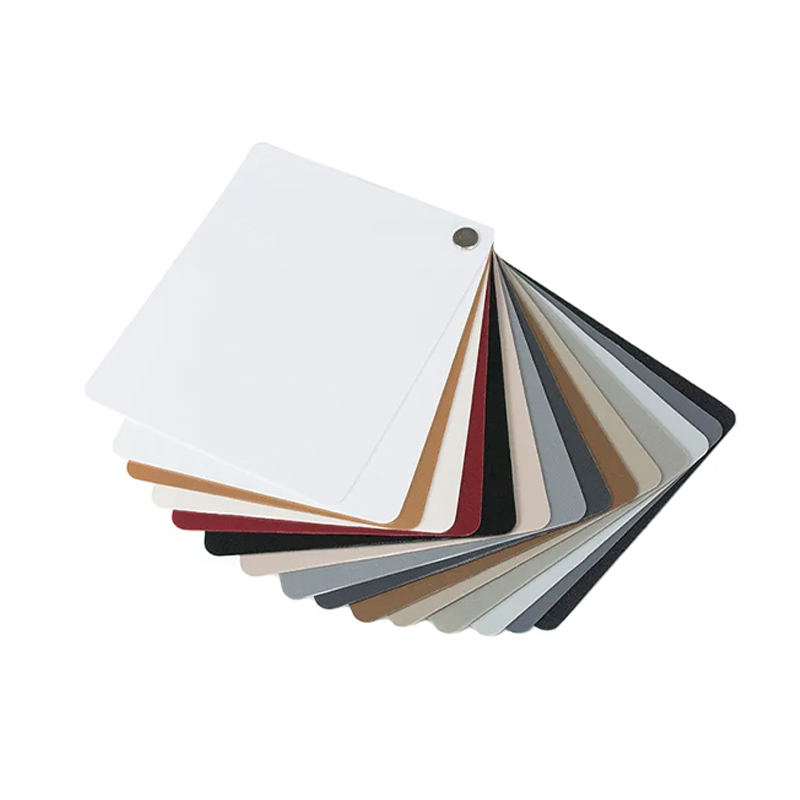
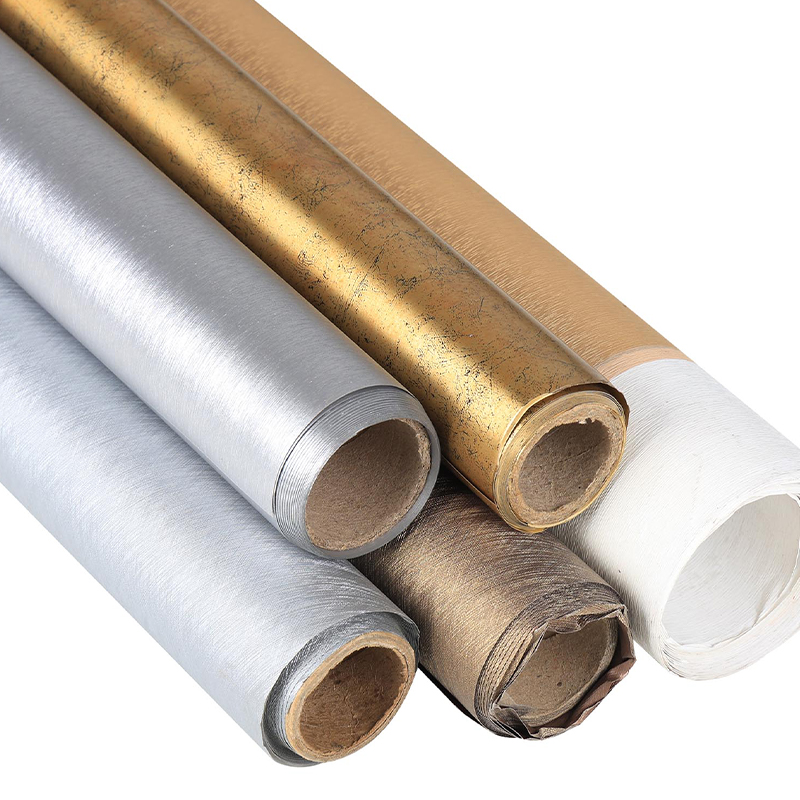
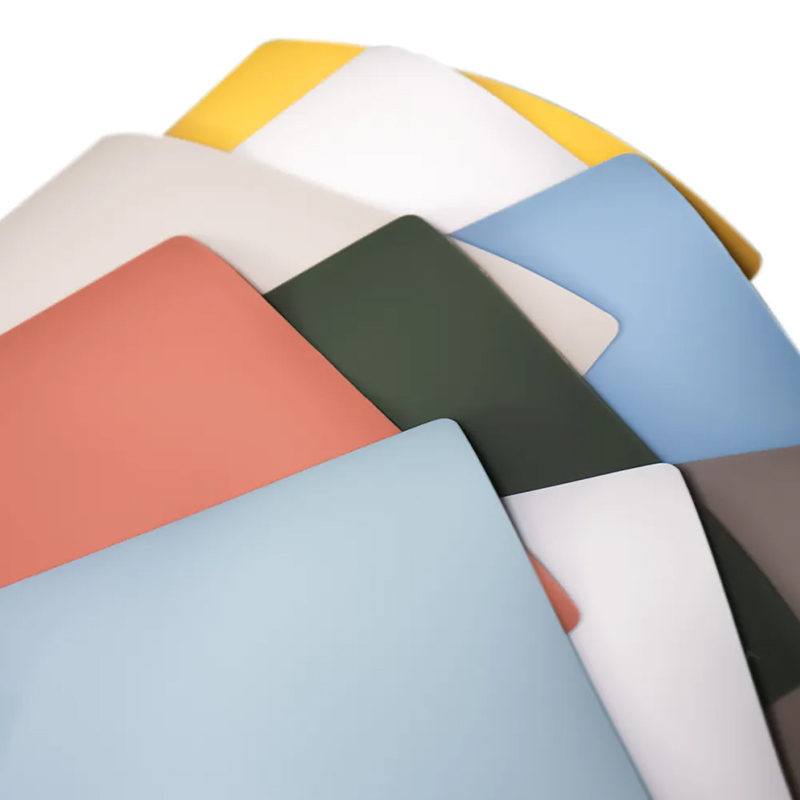
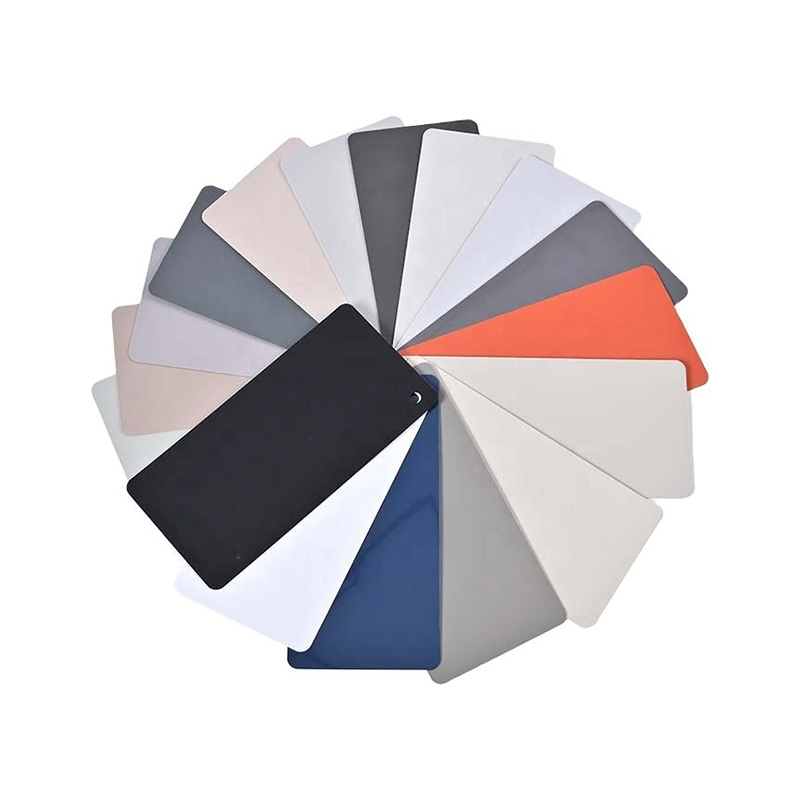
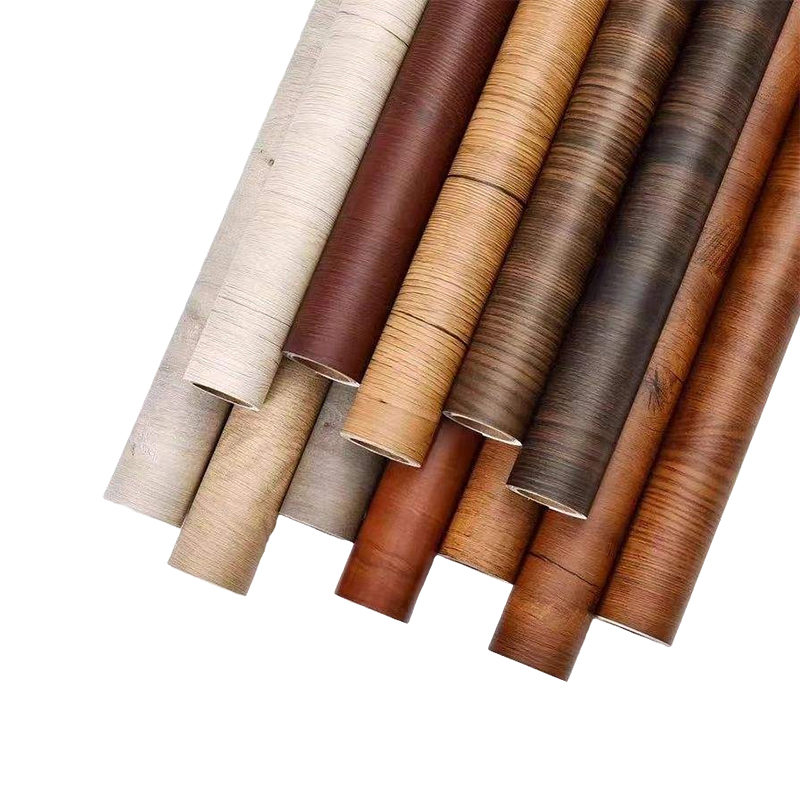
The rich color options and design flexibility of PETG decorative film make it a versatile creative platform for both standard product ranges and bespoke decoration projects. PETG accepts printing, metalizing, embossing, and in-mold decoration processes with excellent results, enabling film manufacturers to offer an extensive palette of solid colors, wood grain patterns, stone textures, brushed metal effects, geometric graphics, and custom-printed designs within a single material platform. This breadth of aesthetic options allows designers and specifiers to meet diverse and personalized decoration needs across very different project types — from the warm naturalistic textures appropriate for residential interiors to the bold graphic treatments suited to brand-driven retail environments.
The environmentally friendly and non-toxic characteristics of PETG decorative film address a growing requirement in both commercial specification and consumer product markets. PETG does not contain chlorine, phthalate plasticizers, or heavy metal stabilizers — substances present in conventional PVC decorative films that create environmental and health concerns during manufacturing, use, and end-of-life disposal. PETG is fully recyclable within existing polyester recycling streams, and its production process generates lower levels of hazardous emissions than PVC processing, supporting manufacturers' efforts to reduce the environmental footprint of their decoration material supply chains. For projects pursuing green building certifications or product environmental declarations, specifying PETG decorative film in place of PVC alternatives contributes meaningfully to material health and recyclability scoring criteria.
| Property | PETG Decorative Film | Standard PVC Film | Standard PET Film |
|---|---|---|---|
| Transparency | Excellent (>90%) | Moderate | Good |
| Weather Resistance | Excellent | Moderate | Good |
| Scratch Resistance | High (2H–3H) | Low | Moderate |
| Thermoformability | Excellent | Good | Limited |
| Environmentally Friendly | Yes (chlorine-free) | No (chlorinated) | Yes |
| Chemical Stability | Excellent | Moderate | Good |

Recommended Articles
-
1.1 What is PP Decorative Film? PP decorative film is a type of surface material made primarily from polypropylene, a versatile and widely used thermoplastic po...
View More -
Is your furniture looking tired, outdated, or damaged? Imagine transforming it effortlessly into something stunning, durable, and uniquely yours. Enter PVC deco...
View More -
1.Introduction Edge banding is a crucial finishing process used in woodworking and furniture manufacturing to cover and seal the exposed sides of materials such...
View More
Xuanyi

Feel free to contact us
Xuanyi, dedicated to the application and research and development of new materials. Furniture Decorative Film Maufacturers and Factory.
Product Fast Links
Contact Information
-
 Room G, 4th Floor, Bailingshi Building, Haizhou Street, Haining City, Jiaxing City, Zhejiang Province, 314400, China
-
 [email protected]
-
 +86-15059290610
-
 +86-15059290610
Copyright © 2024Jiaxing Xuanyi International Trade Co.,Ltd All Rights Reserved. PVC/PP/PET Lamination Film for MDF WPC Plywood

