
 English
 Español
 عربى
عربى


Industry News
PVC Decorative Film: Uses & Buying Guide
2026-03-31
Content
- 1 What Is PVC Decorative Film and How Is It Made
- 2 PVC Decorative Film for Cabinet Surfaces: Application and Advantages
- 3 Performance Properties That Make PVC Film an Ideal Decorative Material
- 4 Surface Finish Options and Design Versatility
- 5 PVC Decorative Film Across Interior Decoration Applications
- 6 How to Select the Right PVC Decorative Film for Your Project
What Is PVC Decorative Film and How Is It Made
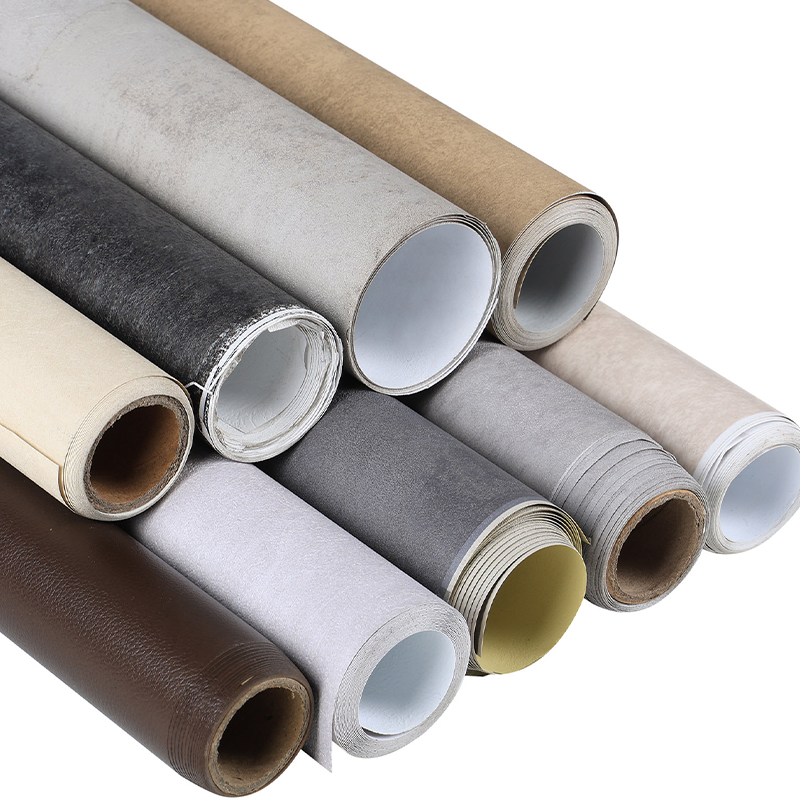
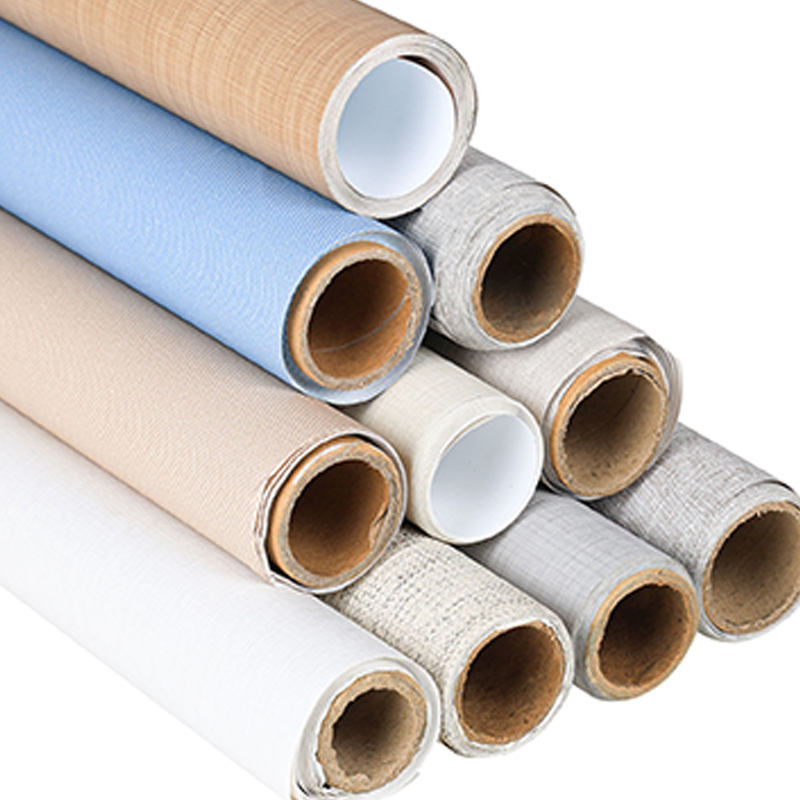
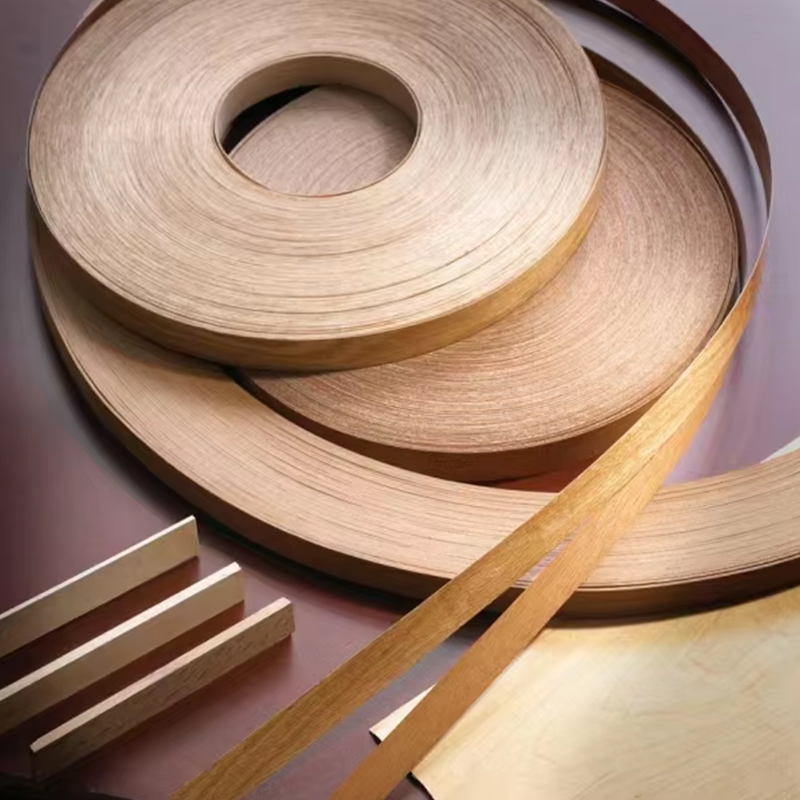
PVC decorative film is a decorative material manufactured with polyvinyl chloride (PVC) as the primary raw material. Through a combination of calendering, printing, and embossing processes, raw PVC resin is transformed into a flexible, dimensionally stable film that carries precise surface patterns, textures, and colors. The result is a high-end decorative material that replicates the visual character of wood grain, stone, fabric, solid color, and abstract geometric designs at a fraction of the cost and weight of the materials it represents.
The manufacturing sequence begins with the compounding of PVC resin with plasticizers, stabilizers, pigments, and functional additives. This compound is then calendered — passed through a series of heated precision rollers — to produce a continuous film of uniform thickness, typically ranging from 0.12 mm to 0.5 mm depending on the intended application. The film surface is then printed using gravure or digital printing technology to apply decorative patterns with the color depth and detail resolution required for realistic wood and stone effects. Finally, the embossing stage passes the printed film through engraved steel rollers under heat and pressure, pressing three-dimensional texture into the film surface that aligns with the printed pattern beneath — creating the synchronized emboss effect that gives premium PVC decorative film its tactile realism.
A protective lacquer or UV-cured topcoat is applied as the final production step. This transparent layer determines the film's surface hardness, sheen level, and chemical resistance — the properties that most directly affect performance in end-use applications. The combination of printing fidelity, emboss depth, and topcoat quality is what differentiates high-end decorative material from commodity film in this product category.
PVC Decorative Film for Cabinet Surfaces: Application and Advantages
Among the many applications for PVC decorative film, cabinet surfacing is one of the most demanding and most widely adopted. Kitchen cabinets, bathroom vanities, wardrobe panels, and storage unit doors are all subject to conditions that test decorative surfaces rigorously — repeated handling, moisture exposure, cleaning agents, heat from cooking appliances, and UV exposure near windows. PVC decorative film for cabinet applications is specifically formulated and structured to perform reliably under these conditions while delivering the aesthetic quality that modern interior design requires.
The most common application method for PVC decorative film for cabinet production is vacuum membrane pressing, where the film is heated to its forming temperature and drawn over a three-dimensional substrate — typically MDF — using vacuum pressure. This process allows the film to conform precisely to routed profiles, edge details, and curved surfaces, producing wrapped cabinet doors with seamless, edge-to-edge coverage that would be impossible to achieve with rigid decorative panels. The film bonds to the substrate through a heat-activated adhesive laminated to its reverse face, creating a permanent, bubble-free bond when the pressing cycle is correctly executed.
Flat Lamination for Panel and Carcass Surfaces
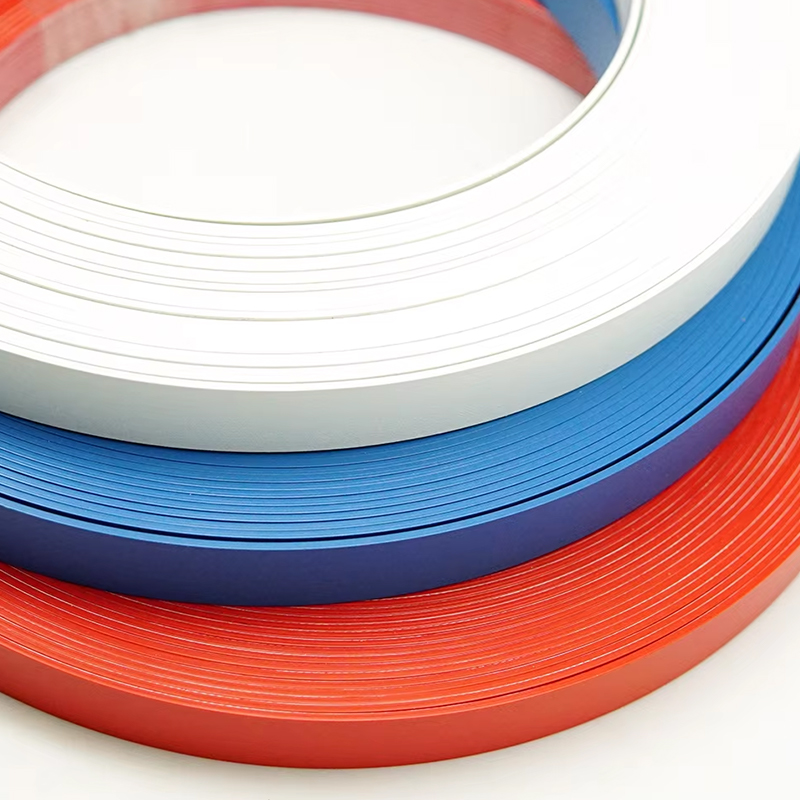
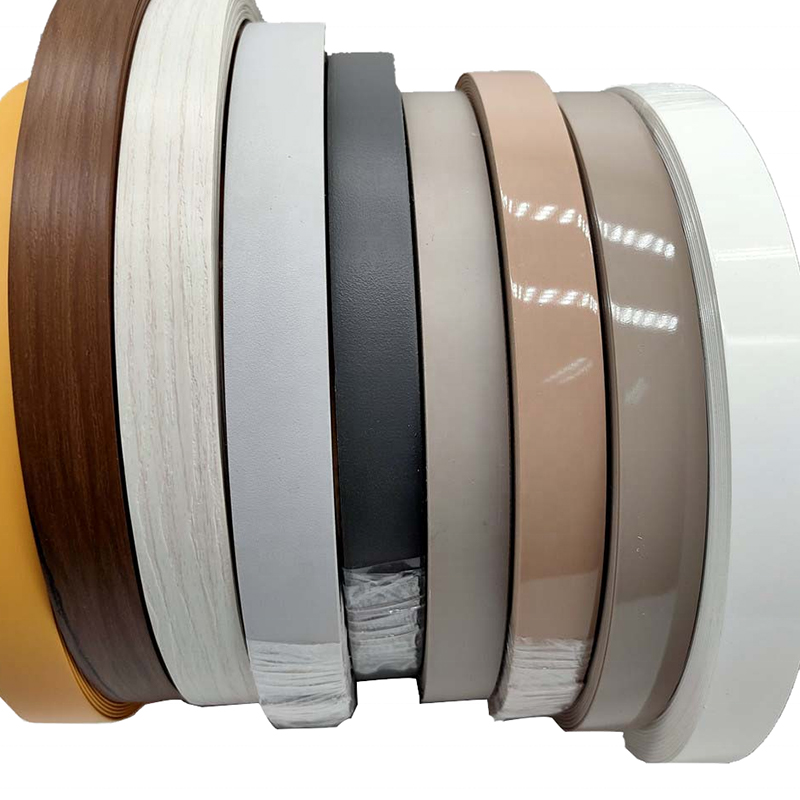
For flat cabinet carcass panels, shelving, and drawer fronts without profiled edges, PVC decorative film is applied using flat-bed lamination — a continuous or batch process where the film is bonded to the substrate under roller pressure with adhesive applied either to the substrate or pre-coated on the film. This method is faster and less equipment-intensive than membrane pressing and produces very consistent results across large panel areas. The flat-laminated PVC surface can then be edge-banded with matching PVC edge tape to complete the panel treatment.
Wrapping for Door and Drawer Profiles
Profile wrapping — where PVC decorative film is applied continuously around linear profiles such as cabinet frame members, cornice moldings, and door edge strips — uses a profile wrapping machine to fold and bond the film around all faces of the profile in a single pass. This application method is common in modular kitchen systems where a large number of identical linear components require consistent decorative surfacing at production speed.
Performance Properties That Make PVC Film an Ideal Decorative Material
The widespread adoption of PVC decorative film across interior decoration applications reflects a well-documented set of performance properties that collectively make it an ideal material for surfaces that must be both beautiful and durable. These properties can be evaluated against the demands of specific applications to confirm suitability before specification.
- Moisture and humidity resistance — PVC is inherently impermeable to water, making PVC decorative film highly resistant to swelling, delamination, and surface blistering in humid environments such as kitchens and bathrooms. Unlike paper foils or melamine surfaces, PVC film does not absorb moisture at its edges, which is the primary point of failure for many alternative decorative materials in cabinet applications.
- Scratch and abrasion resistance — the hard topcoat applied to quality PVC decorative film provides surface hardness rated to pencil hardness H or above, resisting the scratches caused by everyday handling, cleaning tools, and contact with objects placed on or against the surface. This property is particularly valued in kitchen cabinet applications where the door surface is touched hundreds of times per week.
- Chemical resistance to common household agents — PVC film surfaces resist staining and surface degradation from dilute acids (fruit juices, vinegar), alkalis (cleaning sprays), and oils typically encountered in kitchen and bathroom environments. The topcoat chemistry determines the degree of chemical resistance, and high-specification decorative films are tested against a defined panel of reagents before product release.
- Dimensional stability — properly formulated PVC decorative film exhibits minimal thermal expansion and contraction within normal interior temperature ranges, maintaining flat adhesion to the substrate without lifting, bubbling, or developing surface wrinkles over time. This stability is critical for cabinet door panels that must maintain their flatness across years of service in rooms with varying temperatures and humidity levels.
- UV stability for color retention — UV stabilizers incorporated into both the print inks and the topcoat formulation protect the film's color and surface appearance from fading caused by sunlight exposure through windows. This property extends the decorative service life of the film significantly in rooms with substantial natural light.
- Ease of cleaning — the smooth, non-porous surface of PVC decorative film releases dirt, grease, and fingerprints easily with a damp cloth, without requiring specialist cleaning products or risking surface damage from routine wiping. This low-maintenance characteristic is a significant practical advantage over painted surfaces, which can burnish or lose sheen with repeated cleaning.
Surface Finish Options and Design Versatility
One of the primary reasons PVC decorative film is so widely used in interior decoration is the breadth of design options available within a single material category. Advances in gravure printing technology and precision emboss tooling have enabled film manufacturers to produce surface effects of extraordinary realism and variety, covering virtually every design direction relevant to contemporary interior specification.
The following table summarizes the principal surface finish categories available in PVC decorative film and their most common interior decoration applications:
| Surface Finish | Sheen Level | Typical Applications |
|---|---|---|
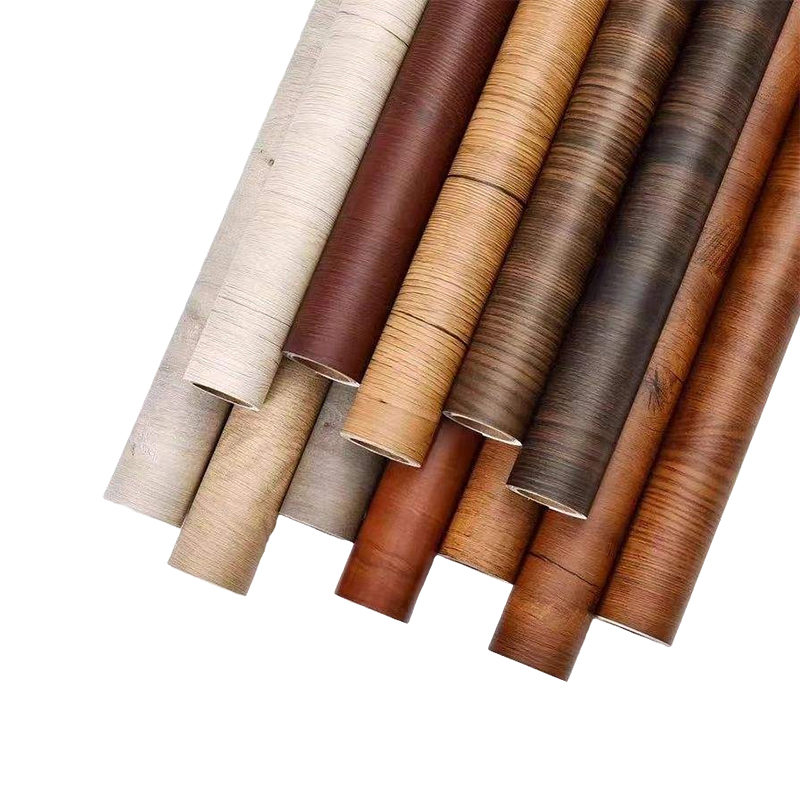
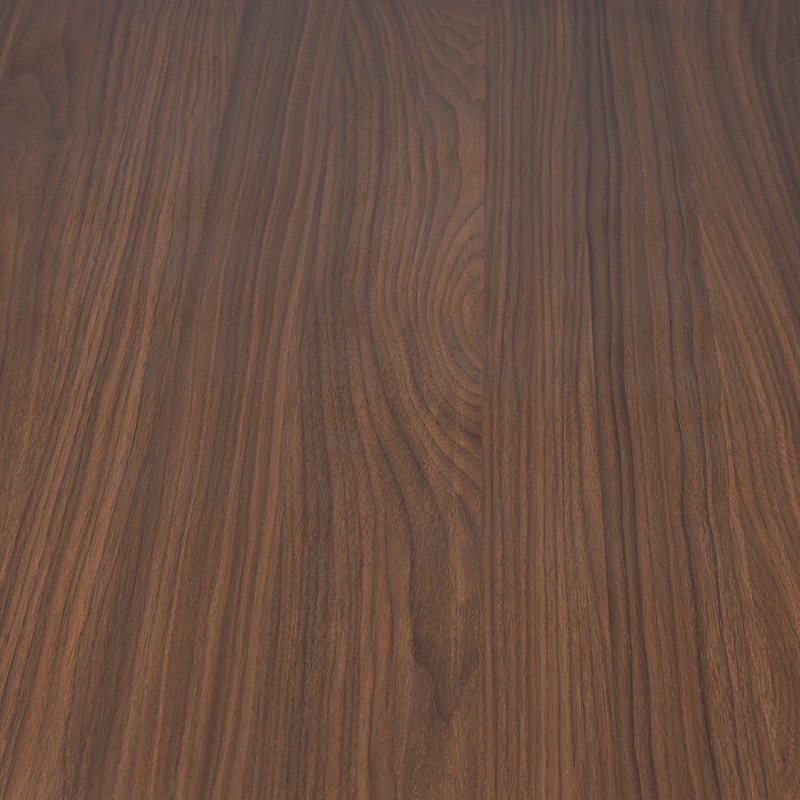
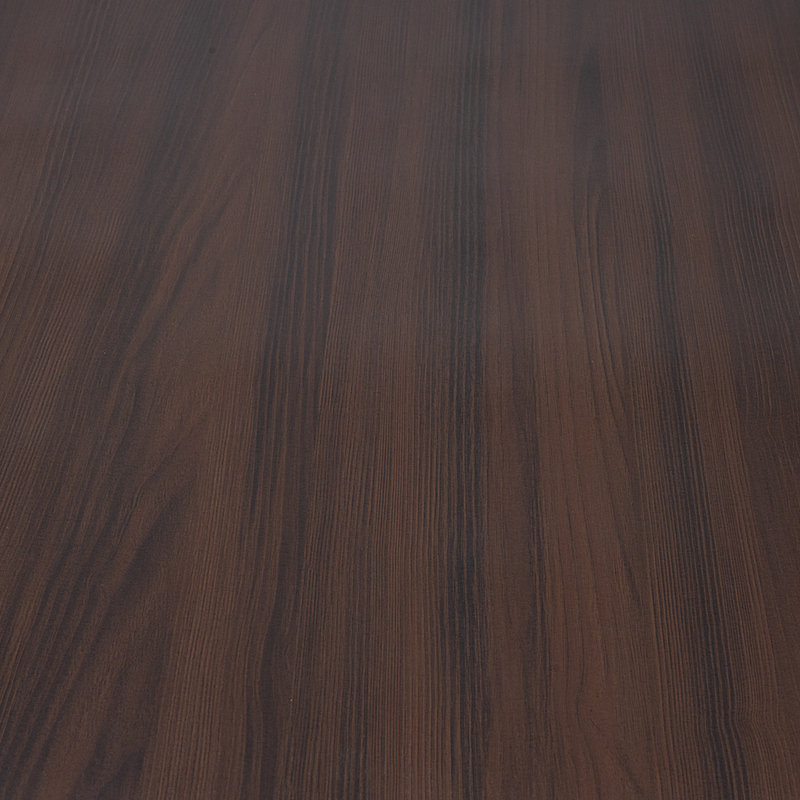
| Wood Grain (Synchronized Emboss) | Matte to Satin | Kitchen cabinets, wardrobe panels, flooring |
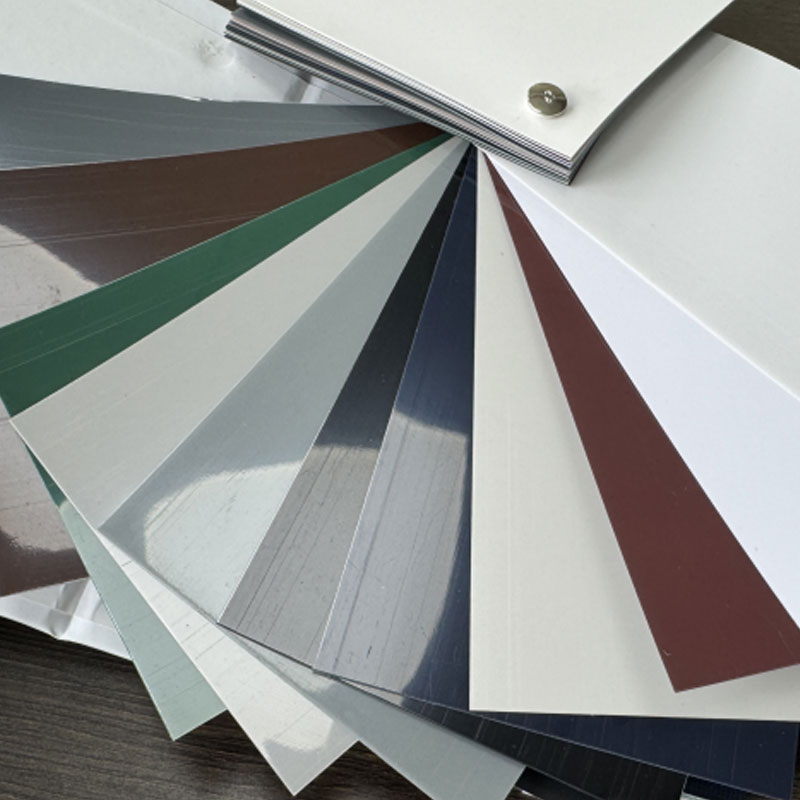
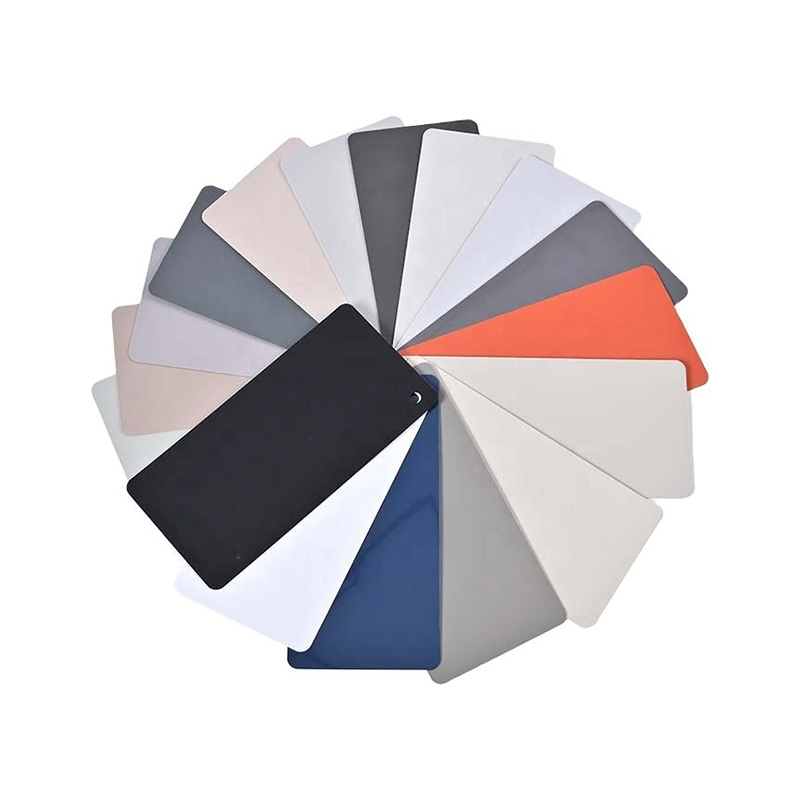
| Solid Color (Smooth) | High Gloss to Matte | Modern kitchen doors, bathroom furniture |
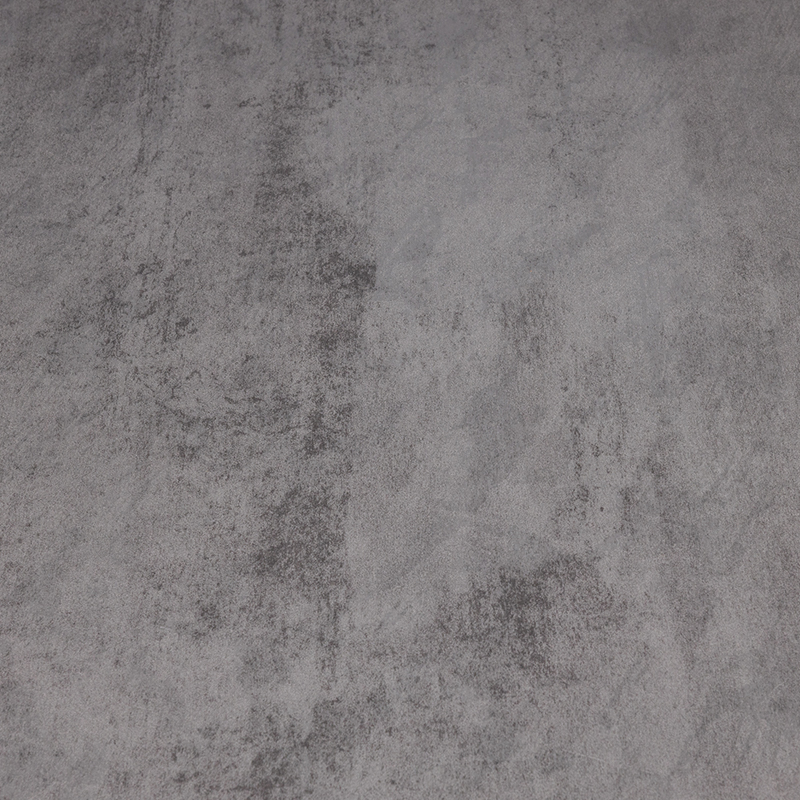
| Stone and Marble Effect | Gloss to Satin | Countertop surrounds, accent panels, shelving |
| Fabric Texture | Low Sheen | Bedroom furniture, wall panels, headboards |
| Metallic and Brushed Effect | Semi-Gloss | Commercial fit-out, retail displays, office furniture |
The ability to specify any of these design directions in a single material that processes identically on the same equipment simplifies the production workflow for furniture manufacturers significantly. A factory producing kitchen cabinets can run gloss white panels, synchronized wood grain doors, and stone effect drawer fronts through the same pressing or lamination line without changing substrates, adhesives, or equipment settings — only the film roll changes.
PVC Decorative Film Across Interior Decoration Applications
While PVC decorative film for cabinet surfaces represents the largest single application segment, the material's combination of flexibility, printability, and durability makes it relevant across a much wider range of interior decoration contexts. Understanding this breadth helps specifiers identify opportunities to use a single, well-understood material family consistently across a project rather than switching between multiple decorative systems with different performance profiles and supply chains.
- Wall paneling systems — PVC decorative film laminated to MDF or foam-core substrates produces lightweight, moisture-resistant wall panels for bathrooms, commercial interiors, and retail environments where ceramic tile or natural stone would add unacceptable weight or installation cost
- Door surfacing — interior flush doors and molded panel doors are widely surfaced with PVC decorative film, particularly in mid-market residential and commercial construction where consistent appearance across large quantities of doors is required at controlled cost
- Furniture components beyond cabinets — office desking, retail display units, hotel room furniture, and hospitality fit-out all use PVC decorative film on particleboard and MDF substrates as the primary surfacing system for both horizontal and vertical surfaces
- Ceiling and feature panels — lightweight PVC film-faced panels are used as ceiling tiles and decorative feature elements in commercial interiors, particularly where the moisture resistance and cleanability of PVC offers practical advantages over painted plasterboard
How to Select the Right PVC Decorative Film for Your Project
Selecting PVC decorative film requires matching several film parameters to the specific demands of the intended application. The following criteria provide a structured framework for evaluation that goes beyond visual design selection to address the functional performance requirements of each use case.
- Film thickness for the application method — membrane pressing requires a film with sufficient elongation (typically 150–200% at forming temperature) to conform to deep profiles without tearing or thinning excessively at corners; flat lamination can use thinner, less extensible films; profile wrapping requires films with precisely controlled stiffness for clean folding around profile edges
- Topcoat specification for the use environment — high-traffic surfaces such as kitchen cabinet doors require topcoats with pencil hardness of 2H or above and verified resistance to common household chemicals; decorative wall panels in lower-contact locations can be specified with softer topcoats that prioritize surface aesthetics over hardness
- Formaldehyde emission compliance — verify that both the film and its adhesive system comply with the formaldehyde emission standards applicable in the destination market (E1 or E0 in Europe and China, CARB Phase 2 in North America) to meet indoor air quality requirements and regulatory obligations
- Fire performance classification — for commercial interior decoration applications, confirm the fire reaction classification of the film and substrate system against the relevant building standard (e.g., EN 13501-1 in Europe, GB 8624 in China) before specification, as PVC films vary considerably in fire performance depending on plasticizer type and flame retardant additive levels
- Design consistency across batches — for large projects requiring multiple rolls or production batches, confirm the supplier's color and texture consistency tolerances between batches; visible variation between cabinet doors or wall panels produced from different batches of film is one of the most common quality complaints in PVC decorative film applications and is best addressed at the supplier qualification stage
When these selection criteria are applied systematically, PVC decorative film consistently emerges as an ideal material for interior decoration across a wide range of applications — combining the design flexibility of a premium printed decorative material with the durability, processability, and cost efficiency that make it the surface of choice for furniture manufacturers, fit-out contractors, and interior designers worldwide.
Recommended Articles
-
1.1 What is PP Decorative Film? PP decorative film is a type of surface material made primarily from polypropylene, a versatile and widely used thermoplastic po...
View More -
Is your furniture looking tired, outdated, or damaged? Imagine transforming it effortlessly into something stunning, durable, and uniquely yours. Enter PVC deco...
View More -
1.Introduction Edge banding is a crucial finishing process used in woodworking and furniture manufacturing to cover and seal the exposed sides of materials such...
View More
Xuanyi

Feel free to contact us
Xuanyi, dedicated to the application and research and development of new materials. Furniture Decorative Film Maufacturers and Factory.
Product Fast Links
Contact Information
-
 Room G, 4th Floor, Bailingshi Building, Haizhou Street, Haining City, Jiaxing City, Zhejiang Province, 314400, China
-
 [email protected]
-
 +86-15059290610
-
 +86-15059290610
Copyright © 2024Jiaxing Xuanyi International Trade Co.,Ltd All Rights Reserved. PVC/PP/PET Lamination Film for MDF WPC Plywood

