
 English
 Español
 عربى
عربى


Industry News
Wood Grain PET Decorative Film: Uses & Specs
2026-04-09
Content
- 1 What Is Wood Grain PET Decorative Film and How Is It Made?
- 2 Technical Specifications: Dimensions, Strength, and Thermal Performance
- 3 UV Resistance: Why It Matters for Long-Term Decorative Performance
- 4 Primary Applications: Furniture, Architectural Cladding, and Automotive Interiors
- 5 RoHS and REACH Compliance: Meeting Global Regulatory Standards
- 6 Choosing the Right Wood Grain PET Decorative Film for Your Application
What Is Wood Grain PET Decorative Film and How Is It Made?
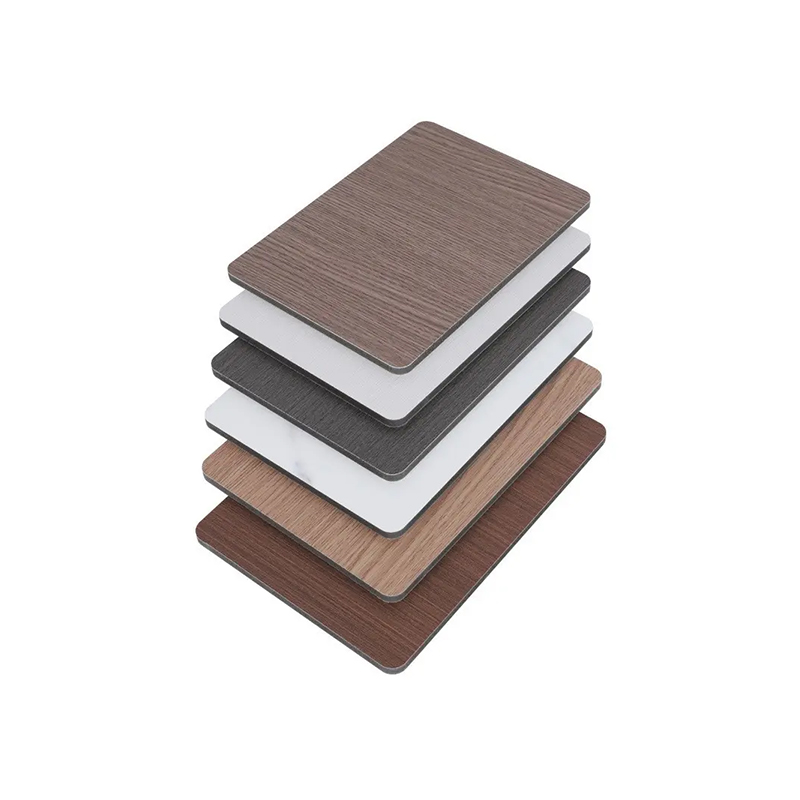
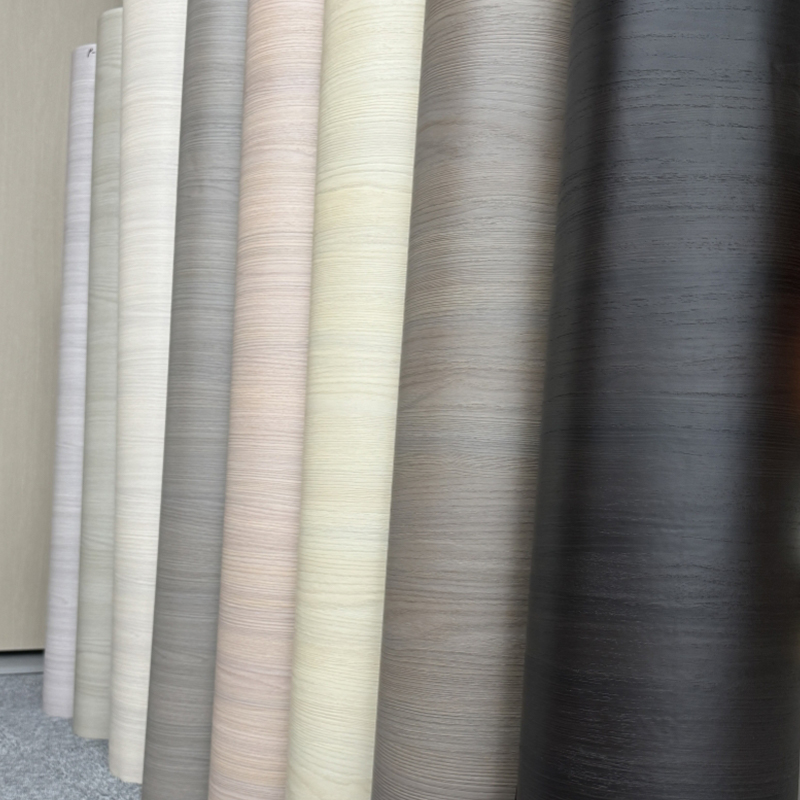
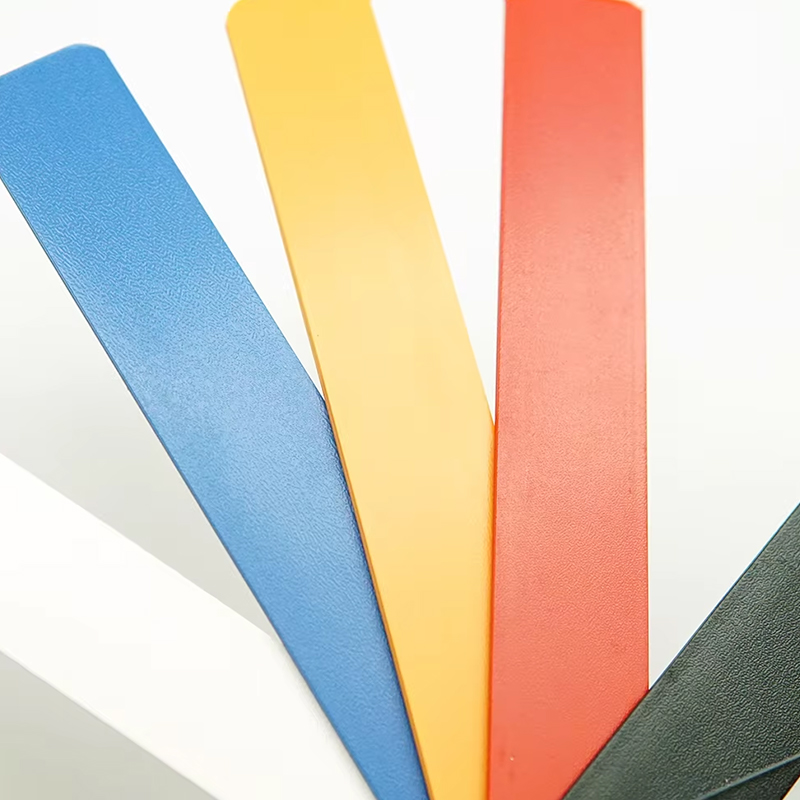
Wood grain PET decorative film is a high-performance surface material manufactured from polyethylene terephthalate (PET) substrate, engineered to replicate the appearance of natural timber with exceptional visual fidelity. The film achieves its realistic wood grain patterns through either gravure printing or digital printing processes — two complementary technologies that serve different production needs. Gravure printing excels in high-volume runs, delivering consistent, sharply defined grain textures across wide rolls with minimal color variation between batches. Digital printing, by contrast, offers greater flexibility for short runs, custom grain patterns, and rapid design iteration, making it the preferred method for bespoke furniture manufacturers and architectural specifiers who require unique visual identities.
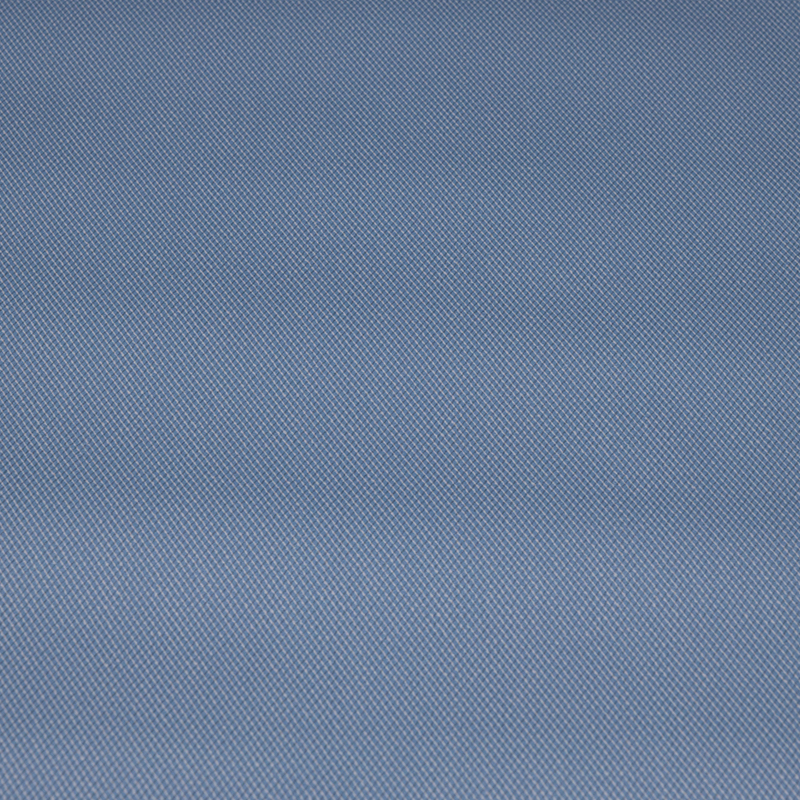
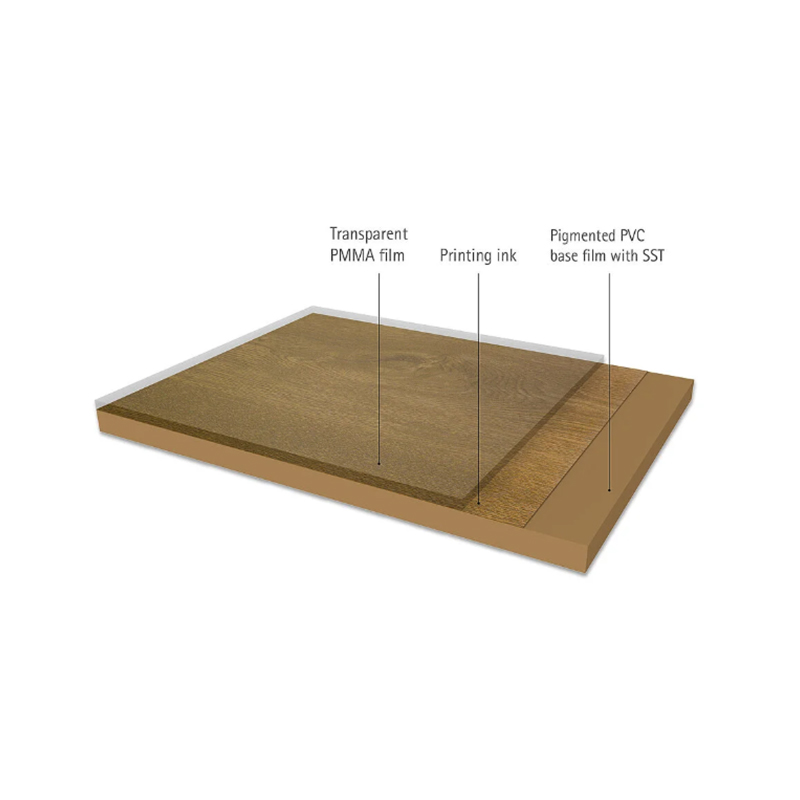
Once the wood grain pattern is applied, the film receives a scratch-resistant coating on its exposed surface. This hard coating is a functional necessity rather than an optional upgrade — it protects the printed layer from abrasion during fabrication, transportation, and the wear and tear of daily use in finished applications. The result is a decorative film that not only looks like natural wood but maintains that appearance reliably over an extended service life, without the warping, fading, or insect damage that affects real timber.
Technical Specifications: Dimensions, Strength, and Thermal Performance
Understanding the physical parameters of wood grain PET decorative film is essential for specifiers and procurement teams selecting materials for industrial or commercial applications. The film is available in a thickness range of 0.2 to 0.8mm, allowing manufacturers to choose a gauge that balances flexibility with structural rigidity depending on the substrate and application method. Thinner gauges in the 0.2–0.3mm range are suited to thermoforming and vacuum pressing over complex curved surfaces, while thicker gauges approaching 0.8mm provide greater dimensional stability for flat panel lamination in furniture and architectural cladding.
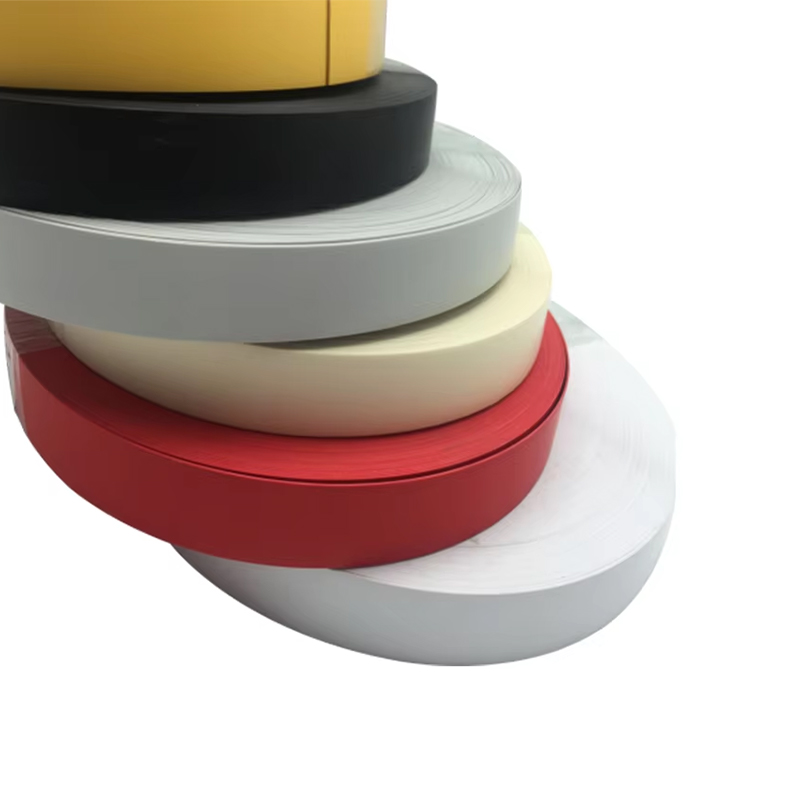
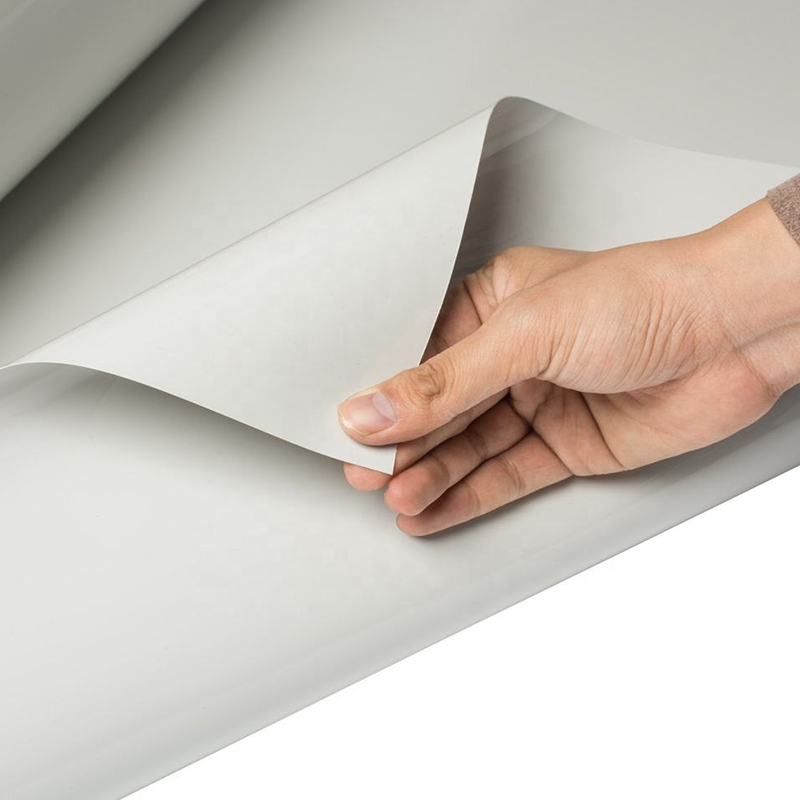
Roll widths spanning 1000mm to 1420mm accommodate the standard cutting requirements of most furniture board formats and architectural panel systems, minimizing waste and reducing the number of seams in large-surface applications. High tensile strength ensures the film withstands the mechanical stresses of lamination press cycles and post-processing operations such as routing, edgebanding, and cutting without tearing or delaminating at the edges.
Thermal stability across a working range of -40℃ to 150℃ is one of the most technically significant properties of this film. At the cold extreme, it remains flexible and crack-resistant in refrigerated storage or cold-climate outdoor applications. At the upper end, it maintains dimensional stability and adhesion integrity during lamination processes and in environments such as automotive interiors, where dashboard and door panel surfaces can experience sustained high temperatures in parked vehicles under direct sunlight.
| Property | Specification |
| Substrate Material | Polyethylene Terephthalate (PET) |
| Thickness Range | 0.2 ~ 0.8mm |
| Width Range | 1000 ~ 1420mm |
| Thermal Stability | -40℃ ~ 150℃ |
| Surface Treatment | Scratch-Resistant Coating |
| Printing Method | Gravure / Digital Printing |
| Compliance | RoHS / REACH |
UV Resistance: Why It Matters for Long-Term Decorative Performance
UV resistance is a defining performance attribute that separates professional-grade wood grain PET decorative film from lower-specification alternatives. Ultraviolet radiation is the primary cause of color fading, yellowing, and surface degradation in decorative films exposed to natural or artificial light over time. In furniture applications placed near windows, in retail environments with strong overhead lighting, or in architectural cladding exposed to indirect sunlight, a film without adequate UV stabilization will begin to show visible color shift within months of installation.
PET as a base substrate already offers inherent resistance to UV degradation compared to PVC alternatives, and this is further enhanced by UV-absorbing additives incorporated into the coating layer. For architectural cladding applications on building facades, canopies, or covered outdoor areas, UV resistance directly determines the maintenance cycle and replacement frequency of the decorative surface — a critical factor in total cost of ownership calculations for building owners and contractors.
Primary Applications: Furniture, Architectural Cladding, and Automotive Interiors
Wood grain PET decorative film addresses three distinct but overlapping market segments, each with its own set of performance priorities and processing requirements.
Premium Furniture Manufacturing
In the furniture industry, wood grain PET decorative film is applied to MDF, particleboard, plywood, and solid wood substrates to deliver the aesthetic warmth of natural timber at a fraction of the material cost. It is particularly prevalent in the production of cabinet doors, drawer fronts, wardrobe panels, tabletops, and shelving units. The scratch-resistant surface coating is especially valuable in kitchen and bathroom furniture, where contact with utensils, cleaning products, and moisture is frequent. Unlike natural wood veneers, PET film does not require sanding, staining, or finishing after lamination — the surface arrives ready-to-use, reducing production time and labor costs significantly.
Architectural Cladding and Interior Wall Systems
Architects and interior designers increasingly specify wood grain PET decorative film for wall cladding panels, column wraps, ceiling systems, and partition surfaces in commercial and hospitality projects. The material allows large continuous surfaces to be clad with a consistent wood grain appearance that would be impossible to achieve with natural timber due to grain variation, availability constraints, and cost. The film's thermal stability ensures it performs reliably in spaces with underfloor heating, high-output HVAC systems, or significant temperature variation between seasons. Its lightweight nature also simplifies installation compared to solid wood or stone cladding, reducing structural load requirements.
Automotive Interiors
The automotive interior market demands materials that combine premium aesthetics with rigorous functional performance. Wood grain PET decorative film is used on dashboard trim panels, door inserts, center console surfaces, and steering wheel accents in both production vehicles and aftermarket customization. The combination of thermal stability up to 150℃, UV resistance, and scratch resistance makes PET film uniquely suited to the demanding environment of a vehicle cabin, where surfaces must withstand intense solar heating, physical contact, and chemical exposure from cleaning products over a vehicle's operational lifetime.
RoHS and REACH Compliance: Meeting Global Regulatory Standards
For manufacturers and brands supplying products into European and international markets, material compliance with RoHS (Restriction of Hazardous Substances) and REACH (Registration, Evaluation, Authorisation and Restriction of Chemicals) regulations is not optional — it is a market access requirement. Wood grain PET decorative film that carries verified RoHS/REACH compliance documentation gives procurement teams confidence that the material does not contain restricted heavy metals, phthalates, or other substances of very high concern (SVHCs) above permitted threshold levels.
This compliance is particularly important in the automotive sector, where OEM supply chain sustainability audits routinely require full material disclosure, and in the furniture sector, where consumer-facing brands are under increasing scrutiny from regulatory bodies and environmentally conscious buyers. RoHS/REACH compliant PET film also supports broader corporate sustainability commitments, as it aligns with responsible material sourcing policies and reduces regulatory risk across the supply chain.
Choosing the Right Wood Grain PET Decorative Film for Your Application
Selecting the appropriate specification of wood grain PET decorative film requires matching the film's physical and performance properties to the demands of the specific end application. The following considerations should guide the selection process:
- Thickness: Choose 0.2–0.3mm for thermoforming over curved profiles; 0.4–0.8mm for flat lamination requiring greater rigidity
- Width: Match roll width to your standard board or panel format to minimize offcut waste
- Printing method: Specify gravure printing for large-volume production runs; digital printing for custom or short-run grain designs
- UV exposure level: For applications near windows or in partially outdoor environments, confirm UV resistance rating with the supplier
- Thermal environment: Automotive and underfloor heating applications should confirm stability at the upper end of the -40℃ to 150℃ range
- Compliance documentation: Request RoHS/REACH test reports for any regulated market or OEM supply chain application
Wood grain PET decorative film occupies a compelling position in the decorative materials landscape — delivering the visual character of natural timber alongside the dimensional consistency, chemical resistance, and regulatory compliance that modern manufacturing demands. As sustainable material sourcing becomes an increasing priority across the furniture, construction, and automotive sectors, PET-based decorative films offer a technically sound and commercially practical alternative to resource-intensive natural wood surfaces.
Recommended Articles
-
1.1 What is PP Decorative Film? PP decorative film is a type of surface material made primarily from polypropylene, a versatile and widely used thermoplastic po...
View More -
Is your furniture looking tired, outdated, or damaged? Imagine transforming it effortlessly into something stunning, durable, and uniquely yours. Enter PVC deco...
View More -
1.Introduction Edge banding is a crucial finishing process used in woodworking and furniture manufacturing to cover and seal the exposed sides of materials such...
View More
Xuanyi

Feel free to contact us
Xuanyi, dedicated to the application and research and development of new materials. Furniture Decorative Film Maufacturers and Factory.
Product Fast Links
Contact Information
-
 Room G, 4th Floor, Bailingshi Building, Haizhou Street, Haining City, Jiaxing City, Zhejiang Province, 314400, China
-
 [email protected]
-
 +86-15059290610
-
 +86-15059290610
Copyright © 2024Jiaxing Xuanyi International Trade Co.,Ltd All Rights Reserved. PVC/PP/PET Lamination Film for MDF WPC Plywood

