
 English
 Español
 عربى
عربى
 Home / Blog / Industry News / Why Is PETG Decorative Film Replacing Traditional Surfaces in Modern Furniture Manufacturing?
Industry News
Why Is PETG Decorative Film Replacing Traditional Surfaces in Modern Furniture Manufacturing?
2026-04-22
Content
- 1 Why PETG Decorative Film Is Reshaping Modern Furniture Surfaces
- 2 Optical Excellence That Elevates Interior Design
- 3 Weather Resistance for Demanding Environments
- 4 Surface Durability That Outlasts Daily Wear
- 5 Processing Advantages for Efficient Manufacturing
- 6 Environmental Safety and Regulatory Compliance
- 7 Chemical Stability and Maintenance Simplicity
- 8 Lightweight Strength and Installation Efficiency
- 9 Design Versatility for Diverse Market Demands
- 10 Key Advantages for Furniture Manufacturers
- 11 Selecting the Right PET Film Roll for Furniture Production
- 12 Conclusion
Why PETG Decorative Film Is Reshaping Modern Furniture Surfaces
The furniture manufacturing industry has reached a turning point in surface material selection. As environmental regulations tighten and consumer expectations for premium interiors rise, manufacturers are moving away from traditional PVC and melamine overlays toward advanced thermoplastic solutions. PETG decorative film has emerged as the material of choice for forward-thinking producers who refuse to compromise between visual appeal, durability, and environmental responsibility. Unlike conventional surfacing options that sacrifice performance for aesthetics, PETG delivers a comprehensive solution that addresses every stage of the product lifecycle—from production efficiency to long-term customer satisfaction.
Optical Excellence That Elevates Interior Design
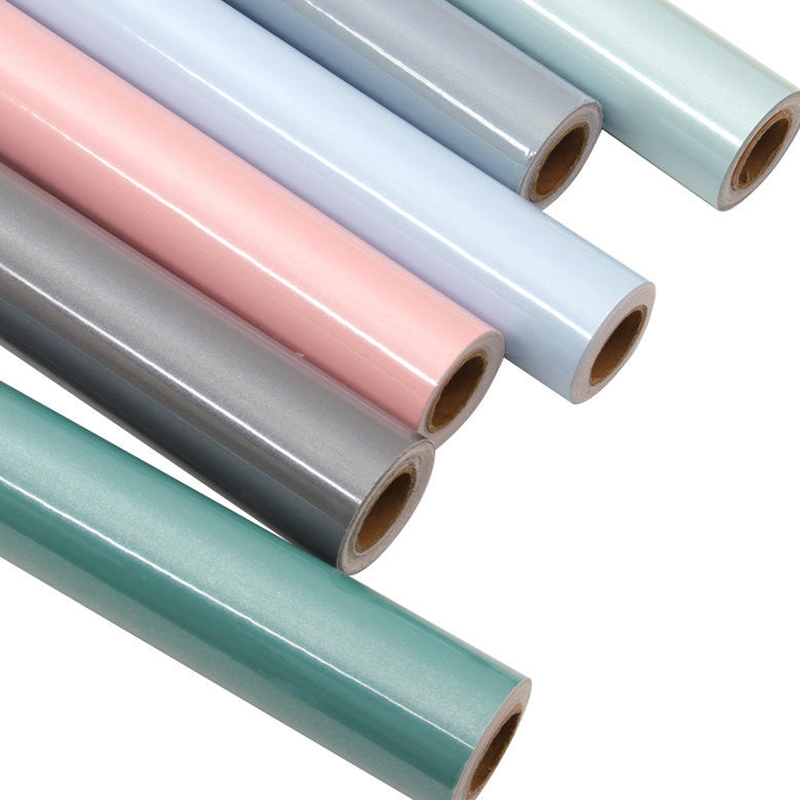
First impressions in interior design are formed within seconds, and surface quality plays a decisive role in that judgment. PETG decorative film achieves exceptional high transparency and glossiness that transforms ordinary substrates into visually striking finished products. The material's molecular structure allows light to transmit with minimal scattering, producing a crystal-clear depth that makes woodgrain patterns appear natural and painted surfaces look flawlessly smooth. For high-gloss cabinet doors and contemporary furniture pieces, this optical clarity creates a mirror-like finish previously achievable only with glass or high-end lacquer systems.
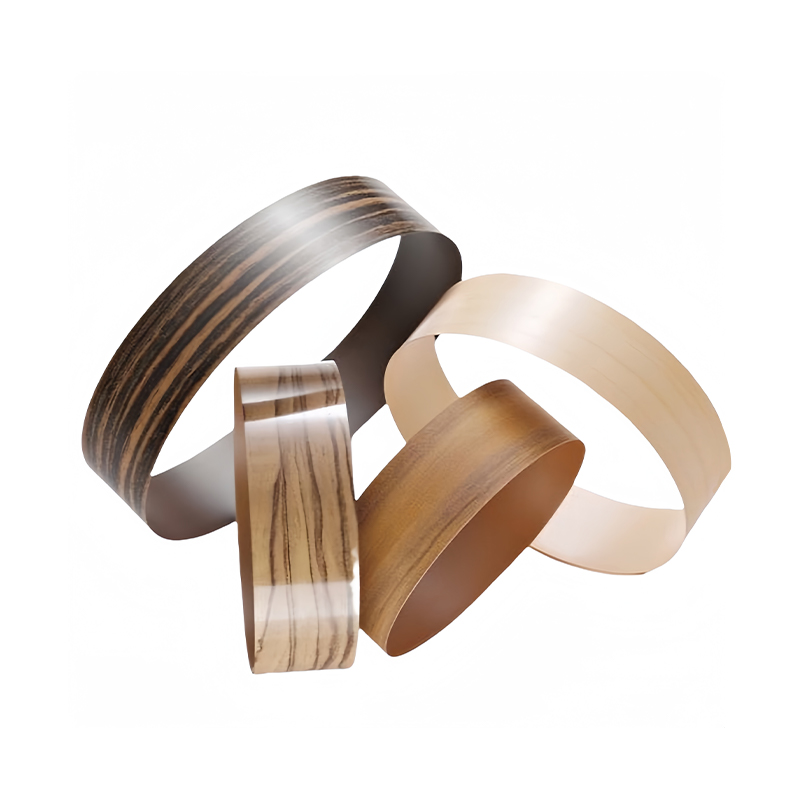
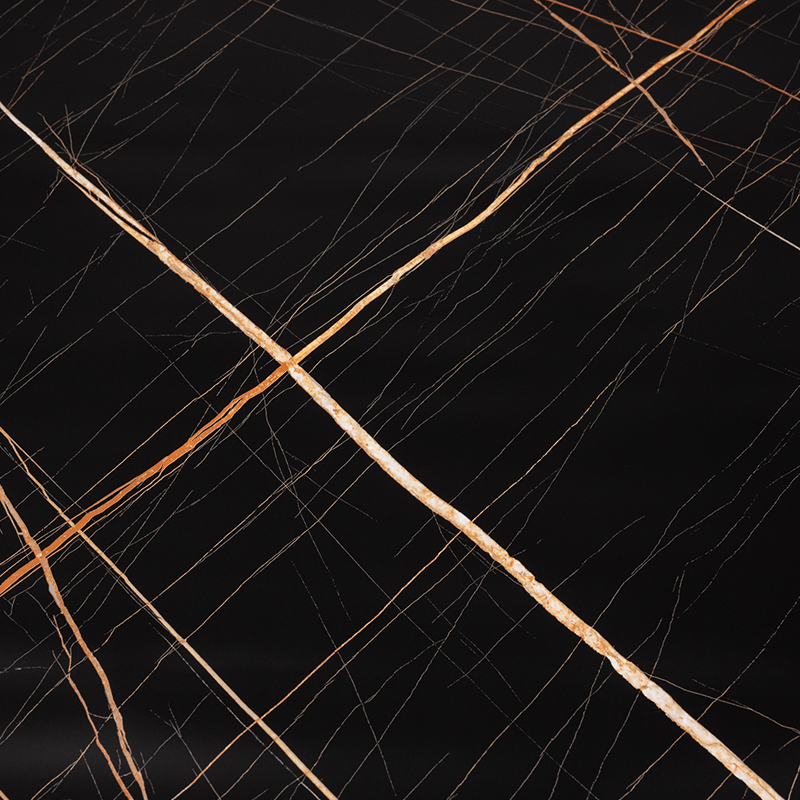
Beyond pure transparency, PETG decorative film roll products offer consistent surface smoothness that eliminates the orange-peel texture common in lower-grade films. This uniformity ensures that printed designs—whether replicating rare walnut burl, Carrara marble, or abstract geometric patterns—render with photographic precision. Manufacturers can confidently specify PET film roll for furniture applications where visual consistency across large surface areas is non-negotiable, such as wardrobe door systems and full-height wall paneling.
Weather Resistance for Demanding Environments
Furniture and interior surfaces face relentless environmental stress that tests material integrity over time. PETG decorative film demonstrates remarkable weather resistance that preserves decorative effects across extreme conditions. In kitchen environments where steam, heat fluctuations, and grease exposure are daily realities, the film maintains dimensional stability without delamination or discoloration. Outdoor furniture and sun-exposed cabinetry benefit equally from PETG's UV stability, which prevents the yellowing and embrittlement that degrade conventional films within months of installation.
Temperature resilience extends from sub-zero conditions to sustained heat exposure. PETG decorative film retains flexibility and adhesion across the operational range of -20°C to 100°C, making it suitable for underfloor-heated installations and unheated seasonal properties alike. This thermal stability eliminates the shrink-back issues that plague PVC alternatives, ensuring that edge-banded panels and wrapped profiles remain seamless through seasonal expansion and contraction cycles.
Surface Durability That Outlasts Daily Wear
Aesthetic appeal means little if surfaces cannot withstand real-world use. PETG decorative film delivers wear-resistant and scratch-resistant properties that keep decorative surfaces pristine through years of active service. The material's Shore D hardness rating provides effective resistance against abrasion from keys, utensils, and household objects that would mar softer surfacing materials. In commercial furniture applications—hotel case goods, office workstations, retail fixtures—this durability translates directly into lower replacement costs and sustained brand presentation.
The scratch resistance of PETG extends beyond superficial protection. Unlike coated surfaces where damage penetrates through to the substrate, PETG's color and pattern integrate throughout the film thickness. Minor scratches remain visually inconspicuous because they do not expose contrasting underlayers. This through-body consistency makes PETG decorative film particularly valuable for high-touch surfaces where maintenance of flawless appearance is essential for perceived quality.
Processing Advantages for Efficient Manufacturing
Production efficiency determines profitability in competitive furniture markets, and PETG decorative film offers processing characteristics that streamline manufacturing workflows. The material thermoforms at lower temperatures than standard PET, reducing energy consumption and cycle times during membrane pressing operations. Its glycol-modified molecular structure provides enhanced flexibility that enables tight-radius wrapping on 3D profiles, shaker-style door recesses, and contoured edge details without stress-whitening or cracking.
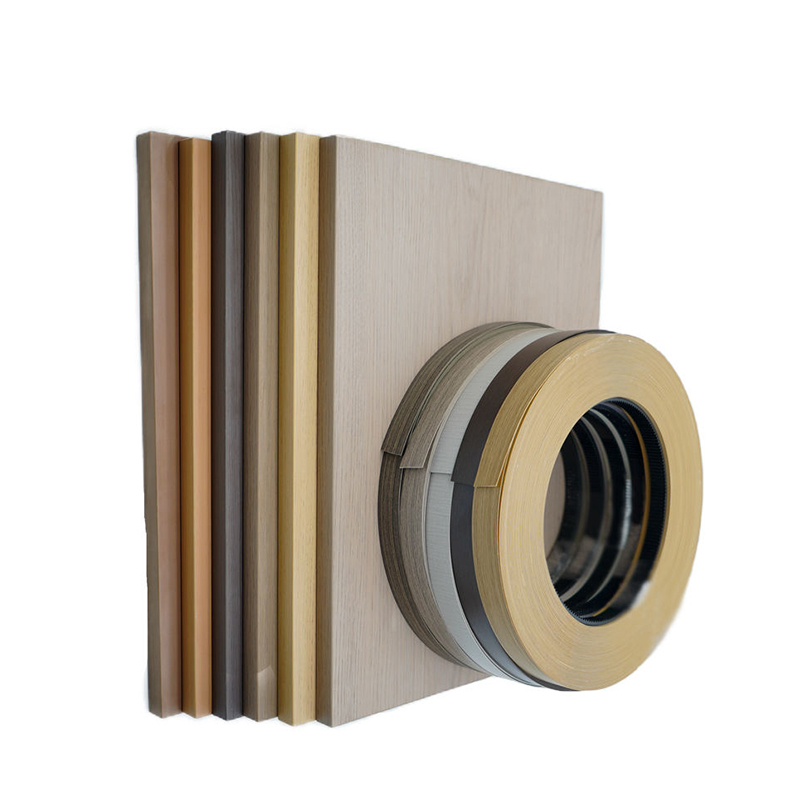
Adhesion performance further simplifies production. PETG decorative film roll products accept PUR hot-melt adhesives with excellent bonding strength, creating irreversible chemical cross-links that resist heat and moisture. The film's surface energy supports direct lamination without extensive priming, while its dimensional stability prevents the tension-related warping that can distort finished panels. For manufacturers transitioning from PVC or melamine, PETG integrates into existing flat lamination and profile wrapping lines with minimal process reconfiguration.
Environmental Safety and Regulatory Compliance
Modern material selection requires rigorous environmental scrutiny, and PETG decorative film meets the most stringent sustainability standards. The formulation contains no chlorine, phthalates, or heavy metals, eliminating the toxic off-gassing associated with PVC processing and disposal. When incinerated, PETG releases only carbon dioxide and water—no corrosive hydrogen chloride or carcinogenic dioxins that complicate end-of-life management. This clean combustion profile aligns with LEED v4.1 and BREEAM certification requirements for green building interiors.
The material's recyclability closes the sustainability loop. Post-industrial trim waste and end-of-life furniture components can be reprocessed into new PETG products without significant quality degradation. For manufacturers serving environmentally conscious markets, specifying PET film roll for furniture production provides a verifiable sustainability advantage that resonates with commercial clients and residential consumers alike. The non-toxic formulation also ensures safe handling during fabrication, reducing workplace exposure risks and simplifying regulatory compliance.
Chemical Stability and Maintenance Simplicity
Interior surfaces inevitably encounter cleaning agents, food spills, and chemical exposures that test material integrity. PETG decorative film exhibits excellent chemical stability against common household and commercial cleaners, including alcohol-based disinfectants, alkaline degreasers, and acidic solutions. This resistance prevents the surface degradation, crazing, and discoloration that compromise both appearance and hygiene in demanding applications.
Maintenance requirements remain minimal due to the film's non-porous surface structure. Dirt, grease, and stains rest on the surface rather than absorbing into the material, enabling effortless cleaning with standard wiping. Anti-fingerprint (AFP) surface treatments available on select PETG decorative film products further reduce visible smudging on matte and super-matte finishes, maintaining pristine appearance between cleanings. For healthcare facilities, food service environments, and hospitality settings, this combination of chemical resistance and cleanability supports stringent hygiene protocols without surface damage.
Lightweight Strength and Installation Efficiency
The physical properties of PETG decorative film contribute to both product performance and logistical efficiency. Despite its robust protective capabilities, the material remains remarkably lightweight—typically 30% to 50% lighter than equivalent glass or solid surface overlays. This weight reduction simplifies handling during installation, reduces shipping costs, and enables larger panel formats without structural concerns. For wall paneling systems and ceiling applications, the reduced load minimizes support requirements and expands design possibilities.
Installation efficiency benefits from the film's flexibility and consistent thickness. Large-format PET decorative film rolls unwind smoothly without the curling or memory effects that complicate adhesive application. The material conforms readily to substrate irregularities when laminated, reducing preparation time and filler requirements. For on-site applications such as furniture refurbishment and interior retrofit projects, PETG's manageable weight and pliability enable single-installer application that would require multiple workers with heavier materials.
Design Versatility for Diverse Market Demands
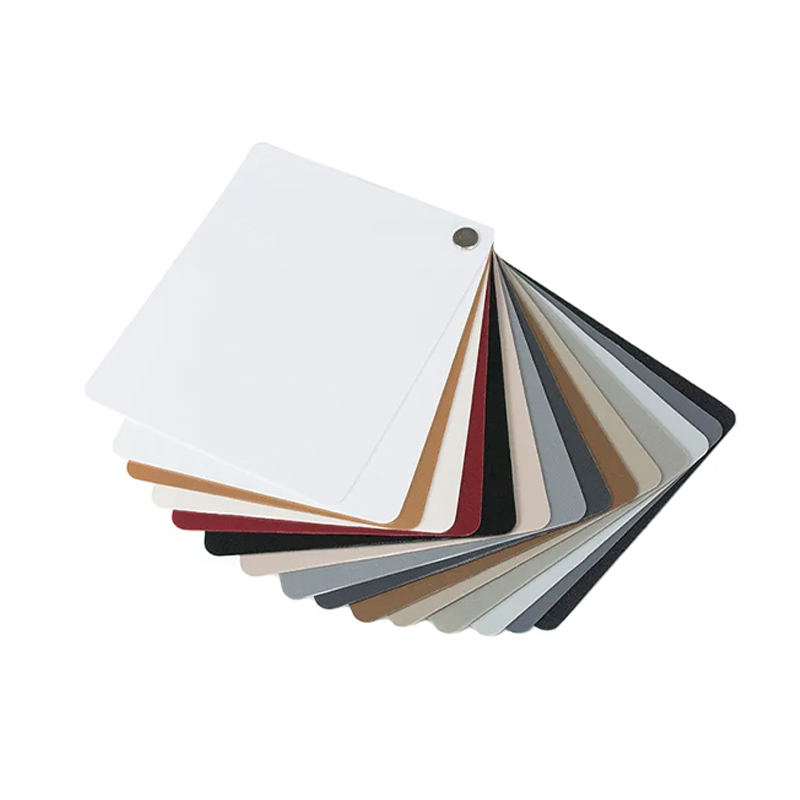
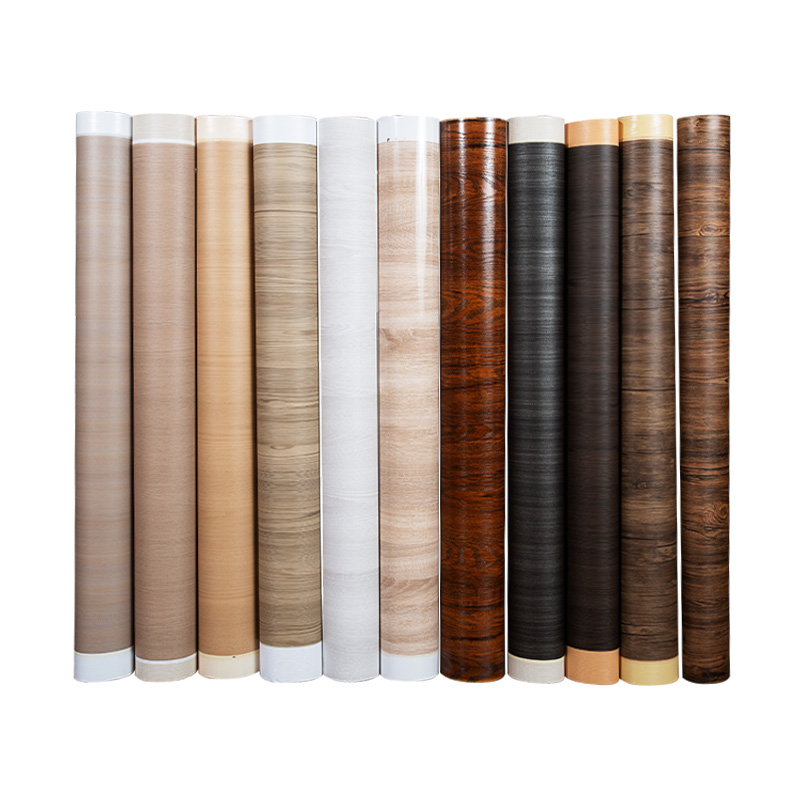
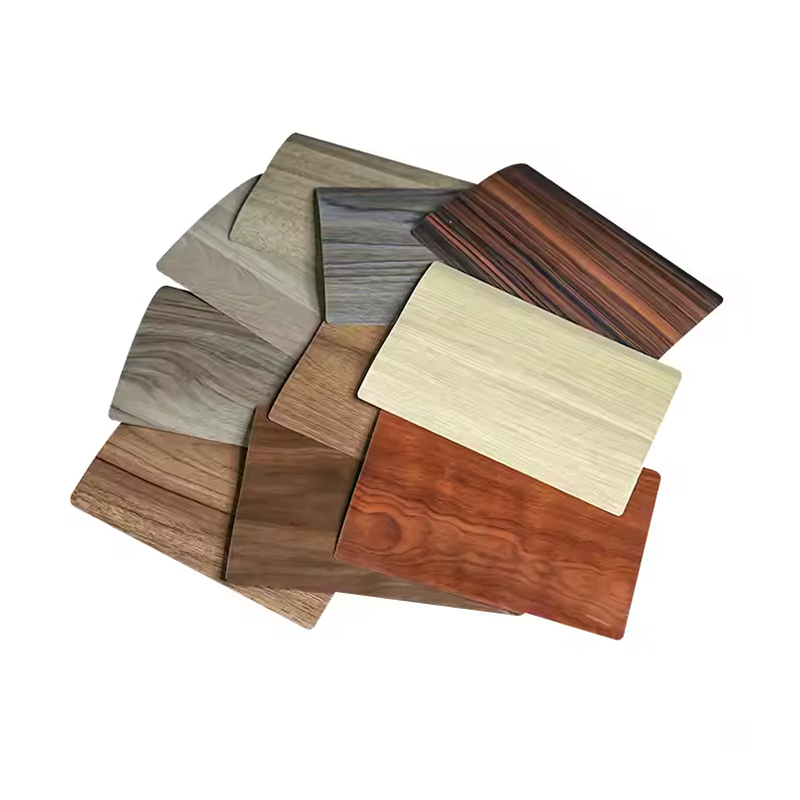
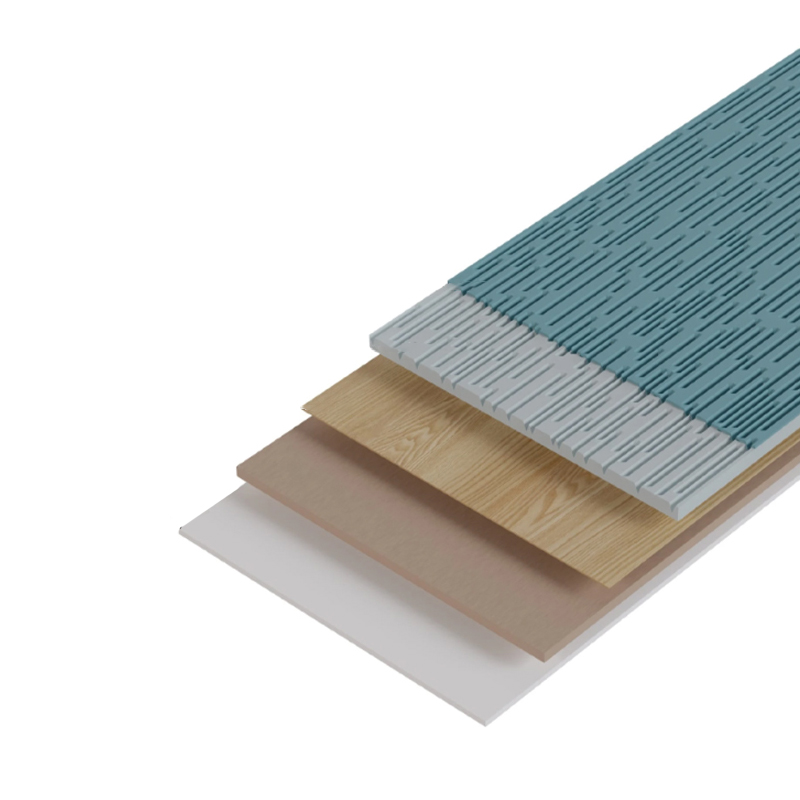
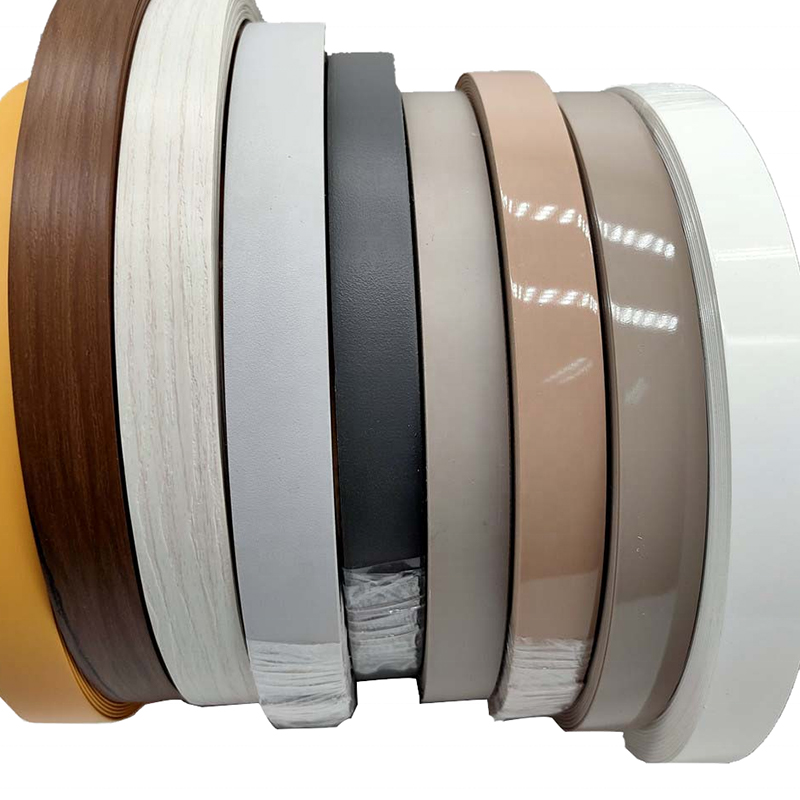
Personalization drives contemporary interior markets, and PETG decorative film delivers the design flexibility that manufacturers and designers require. The material accepts high-fidelity printing with exceptional color reproduction, enabling authentic woodgrain visuals, stone textures, metallic effects, and custom graphic designs. Surface finish options span from ultra-high gloss exceeding 95 GU to sophisticated super-matte textures with anti-fingerprint properties, accommodating every aesthetic from minimalist Scandinavian to opulent contemporary.
Available Surface Finishes and Applications
| Finish Type | Visual Characteristic | Primary Application |
| High Gloss | Mirror-like reflectivity, depth | Kitchen cabinets, display furniture |
| Super Matte | Soft-touch, anti-fingerprint | Wardrobes, wall panels |
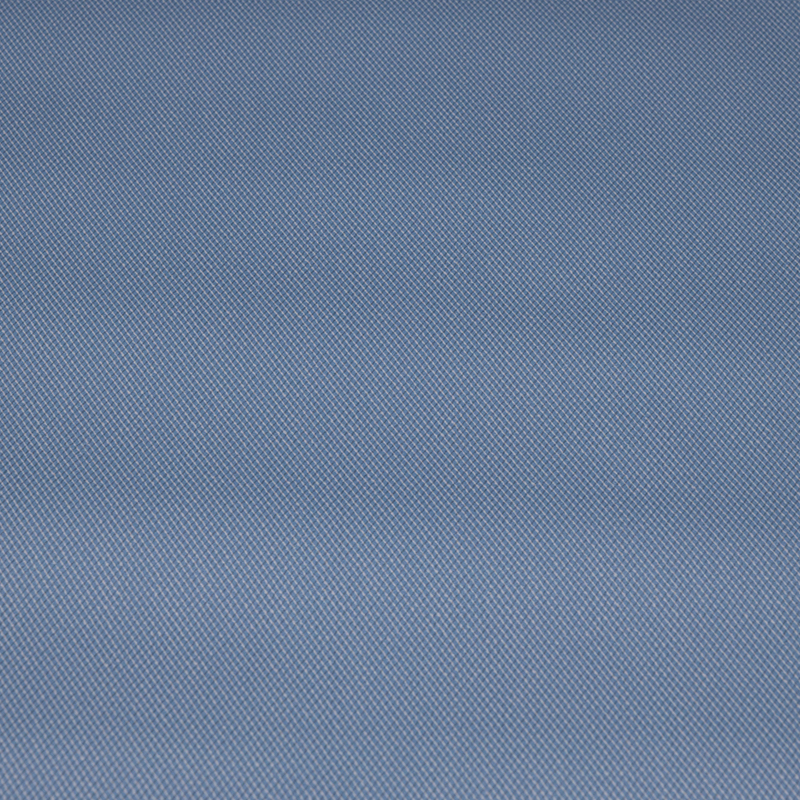
| Embossed Texture | Tactile woodgrain, fabric feel | Residential furniture, doors |
| Metallic Effect | Brushed or polished metal | Commercial fixtures, accents |
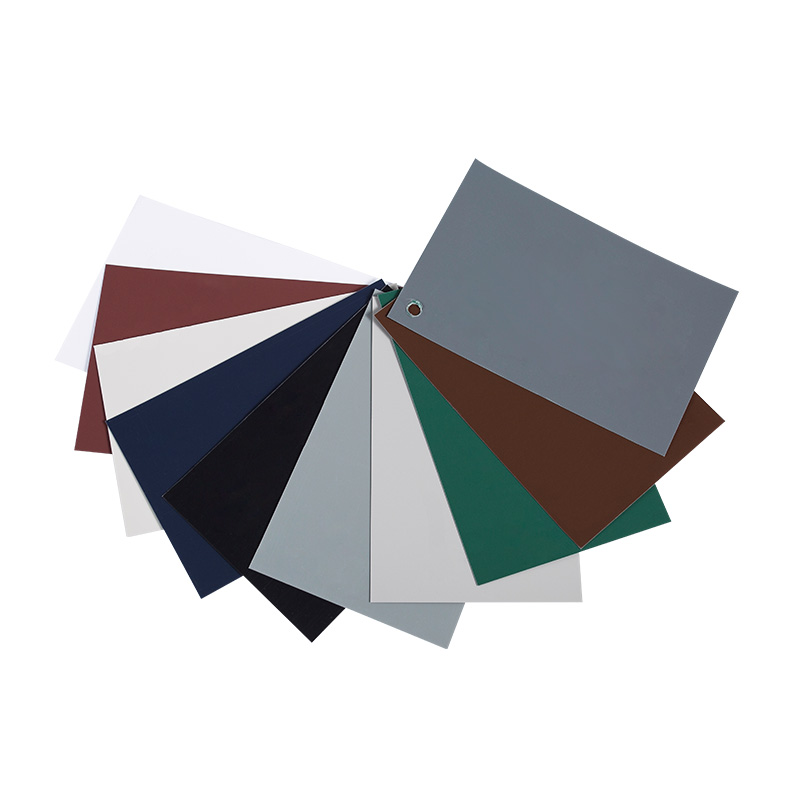
Color consistency across production batches ensures that large projects maintain visual coherence, while custom color matching capabilities support brand-specific requirements for commercial interiors. The design flexibility of PETG decorative film extends to thickness selection, with options ranging from 0.15mm for lightweight wall paneling to 0.50mm for heavy-duty commercial furniture applications.
Key Advantages for Furniture Manufacturers
Integrating PETG decorative film into furniture production delivers measurable benefits across operational and market dimensions. The following advantages distinguish PETG from conventional surfacing alternatives:
- Exceptional optical clarity and surface gloss that enhance perceived product value
- Superior weather resistance maintaining appearance across temperature extremes and UV exposure
- Wear-resistant and scratch-resistant surface protection for high-traffic applications
- Streamlined processing with lower forming temperatures and excellent adhesion compatibility
- Environmentally safe formulation free from halogens, plasticizers, and heavy metals
- Chemical stability resisting common cleaners and maintaining hygiene standards
- Lightweight yet robust construction simplifying installation and reducing shipping costs
- Extensive design flexibility with diverse colors, textures, and finish options
Selecting the Right PET Film Roll for Furniture Production
Successful implementation of PETG decorative film requires informed specification decisions. Manufacturers should evaluate substrate compatibility, ensuring that the selected film thickness adequately covers surface imperfections while accommodating the intended lamination process. Flat lamination of MDF and particleboard typically employs 0.25mm to 0.35mm PET decorative film for optimal coverage and cost efficiency, while profile wrapping and 3D membrane pressing may require modified formulations with enhanced flexibility.
Adhesive selection critically influences bond durability. Polyurethane reactive (PUR) hot-melt systems remain the industry standard for PETG lamination, providing moisture-resistant cross-linked bonds that withstand kitchen and bathroom environments. Roller temperatures between 120°C and 140°C, combined with controlled tension during unrolling, prevent film distortion and ensure uniform application. Sourcing PET film roll for furniture from manufacturers who provide primed backings and tension-controlled master rolls further reduces defect rates and production interruptions.
Conclusion
PETG decorative film represents a material evolution that aligns with the furniture industry's dual imperatives of performance excellence and environmental responsibility. Its combination of optical brilliance, weather resilience, surface durability, and processing efficiency addresses the practical challenges that manufacturers face daily. The environmentally safe formulation and recyclability satisfy regulatory requirements and market expectations that continue to intensify. For producers seeking to differentiate their furniture offerings while optimizing production workflows, PET decorative film roll solutions provide a proven pathway to superior product quality and sustainable manufacturing practices.
Recommended Articles
-
1.1 What is PP Decorative Film? PP decorative film is a type of surface material made primarily from polypropylene, a versatile and widely used thermoplastic po...
View More -
Is your furniture looking tired, outdated, or damaged? Imagine transforming it effortlessly into something stunning, durable, and uniquely yours. Enter PVC deco...
View More -
1.Introduction Edge banding is a crucial finishing process used in woodworking and furniture manufacturing to cover and seal the exposed sides of materials such...
View More
Xuanyi

Feel free to contact us
Xuanyi, dedicated to the application and research and development of new materials. Furniture Decorative Film Maufacturers and Factory.
Product Fast Links
Contact Information
-
 Room G, 4th Floor, Bailingshi Building, Haizhou Street, Haining City, Jiaxing City, Zhejiang Province, 314400, China
-
 [email protected]
-
 +86-15059290610
-
 +86-15059290610
Copyright © 2024Jiaxing Xuanyi International Trade Co.,Ltd All Rights Reserved. PVC/PP/PET Lamination Film for MDF WPC Plywood

