
 English
 Español
 عربى
عربى


Industry News
PP Decorative Film: Durable Eco Surface Finishes
2026-04-15
Content
Material Composition and Core Performance Metrics
PP Decorative Film has emerged as a transformative surface solution across industrial and consumer manufacturing sectors. Engineered from high-purity polypropylene resin, this material delivers a balanced combination of flexibility, dimensional stability, and visual fidelity. Unlike traditional vinyl or PVC overlays, the polymer chain structure of polypropylene eliminates the need for heavy plasticizers, resulting in a thinner gauge film that maintains mechanical integrity under repeated stress. Manufacturers increasingly specify this material for interior and exterior cladding because it bridges the gap between cost-effective mass production and premium aesthetic requirements. The molecular architecture of the base resin ensures consistent tensile strength, allowing the film to conform to complex geometries without compromising edge retention or surface uniformity.
The foundational advantages of this material stem from its inherent polymer properties, which dictate long-term reliability in demanding environments. When specifying surface finishes for structural or functional applications, engineers prioritize parameters such as coefficient of friction, moisture vapor transmission rate, and thermal expansion coefficients. PP Decorative Film consistently outperforms conventional alternatives in these metrics due to its semi-crystalline polymer arrangement. This structural characteristic prevents delamination when bonded to substrates like medium-density fiberboard, cold-rolled steel, or injection-molded thermoplastics. The material also demonstrates exceptional dimensional recovery after cold forming, making it ideal for high-speed wrapping lines where precision alignment and rapid curing are mandatory.
Environmental Safety and Chemical Inertness
Sustainability mandates have reshaped material selection criteria, placing strict limits on volatile organic compound emissions and hazardous additive migration. The chemical composition of polypropylene inherently satisfies these requirements without requiring post-processing treatments or barrier layers. During manufacturing, the absence of chlorine-based compounds ensures that combustion byproducts remain non-toxic, while standard recycling streams can process end-of-life sheets without contaminating municipal waste channels. Indoor environments benefit significantly from this inert profile, as continuous outgassing is eliminated even when temperatures fluctuate above standard room conditions. Facility managers and specifiers rely on verified low-VOC certifications when integrating these films into commercial cabinetry, healthcare partitions, and educational furniture.
Chemical resistance further expands the operational envelope for surface applications. Laboratory testing confirms that the film withstands prolonged exposure to dilute acids, alkaline cleaning agents, and common industrial solvents without experiencing surface degradation or gloss reduction. Maintenance teams can deploy aggressive sanitation protocols in food processing zones or laboratory settings without compromising the visual integrity of wrapped surfaces. The non-porous microstructure prevents liquid absorption, eliminating staining pathways and bacterial colonization risks. This characteristic simplifies compliance with hygiene regulations and reduces lifecycle costs associated with frequent surface replacement or specialized coating maintenance.
Thermal Stability and Weather Resilience
Temperature cycling represents one of the most destructive forces acting on decorative overlays, causing micro-fractures, adhesive failure, and pigment degradation over time. The polypropylene matrix maintains stable mechanical properties across an operational range spanning sub-zero winter conditions to elevated summer exposure scenarios. Unlike plasticized polymers that become brittle at low temperatures or tacky under heat stress, this material exhibits a consistent glass transition threshold that preserves flexibility without sacrificing hardness. Automotive interior components and exterior architectural panels rely on this thermal consistency to prevent warping, edge lifting, or premature aging when subjected to daily thermal expansion and contraction cycles.
Ultraviolet radiation resistance is equally critical for exterior deployments, where prolonged sunlight exposure accelerates photo-oxidation in inferior materials. Advanced manufacturing processes incorporate UV-stabilizing compounds directly into the resin blend during extrusion, ensuring that colorfastness and surface gloss remain intact after years of direct solar exposure. Accelerated weathering tests simulate decades of environmental stress within controlled chamber conditions, validating that the film resists chalking, fading, and surface crazing. Building envelope contractors specify these tested materials for roofing membranes, facade cladding, and outdoor signage where aesthetic consistency must align with structural durability requirements.
Integration Workflows in Manufacturing and Construction
Successful deployment requires precise alignment between material properties and production methodologies. Modern wrapping facilities utilize automated vacuum laminators and cold-press adhesive systems to bond the film to prepared substrates. The material responds favorably to both pressure-sensitive and heat-activated adhesive formulations, allowing manufacturers to select bonding strategies based on throughput requirements and substrate porosity. Pre-application surface preparation involves standardized cleaning, light abrasion, and primer application when necessary to ensure optimal wetting and mechanical interlocking. Operators monitor film tension and roller alignment continuously to prevent wrinkling, stretching anomalies, or adhesive pooling that could compromise final inspection pass rates.
| Performance Metric | PP Decorative Film | Standard PVC Overlay |
| VOC Emission Level | Near Zero | Moderate to High |
| Temperature Range | -40°C to 110°C | -10°C to 70°C |
| Abrasion Resistance | High (500+ Taber cycles) | Moderate |
| Recyclability | Fully Compatible | Limited |
Surface Customization and Aesthetic Flexibility
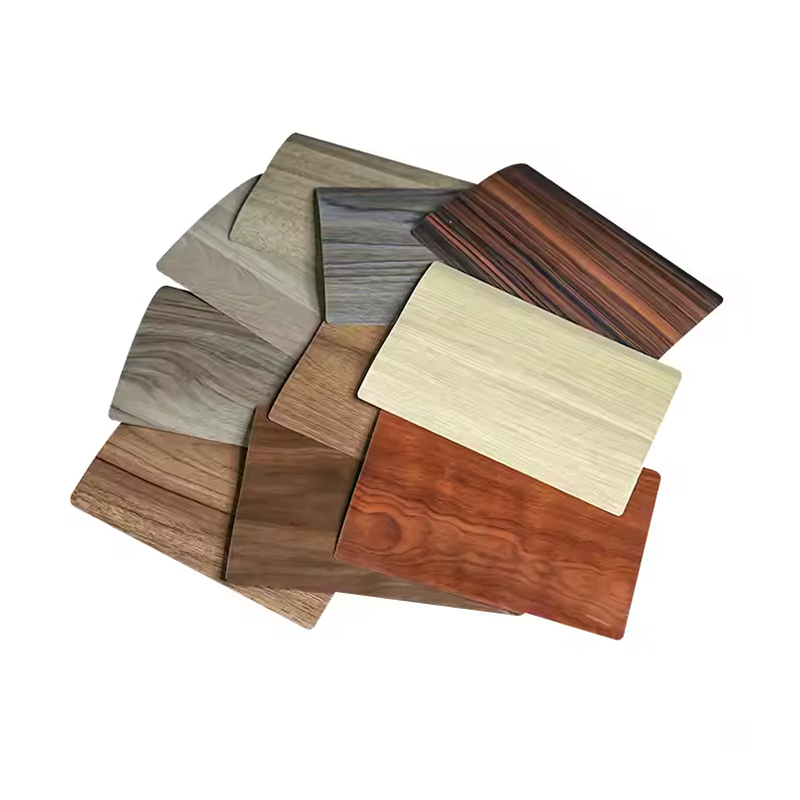
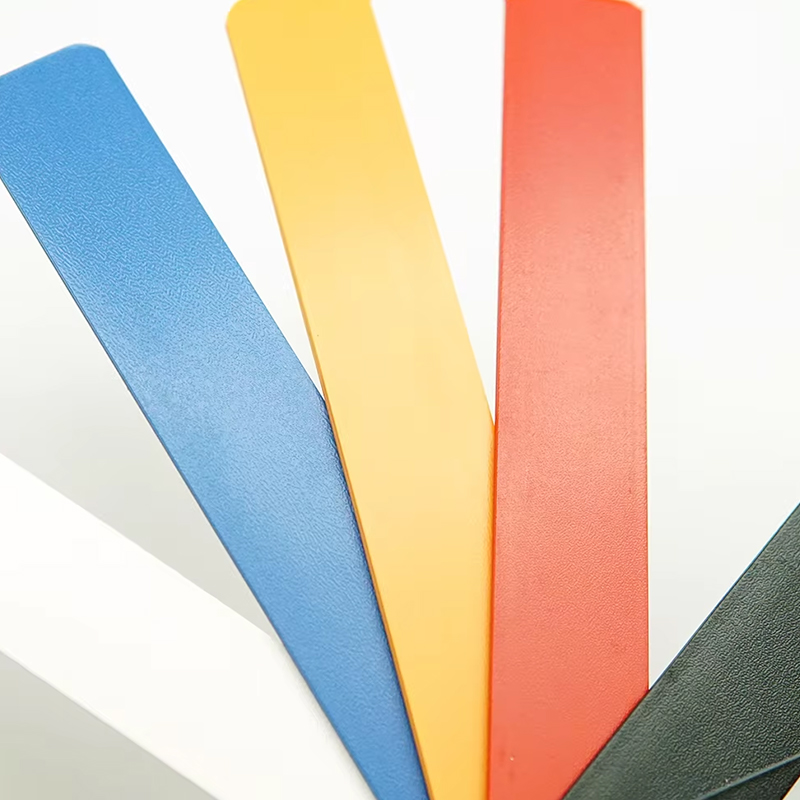
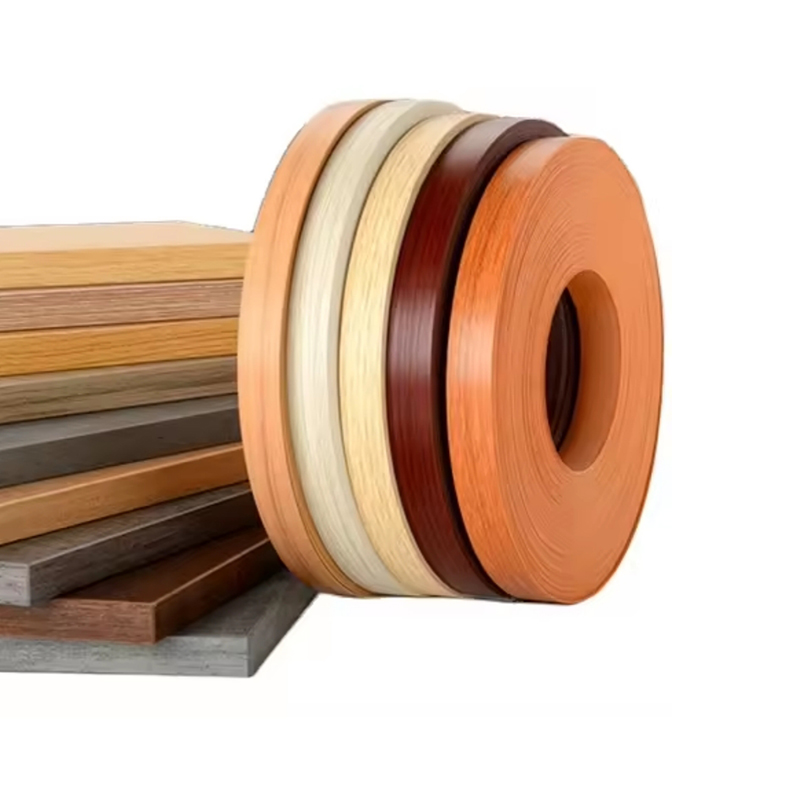
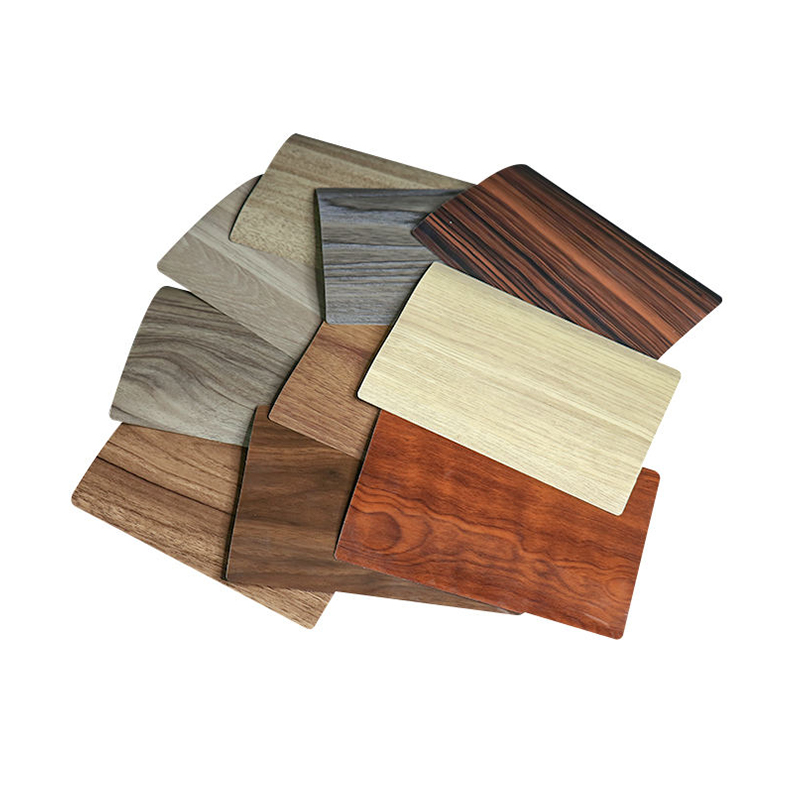
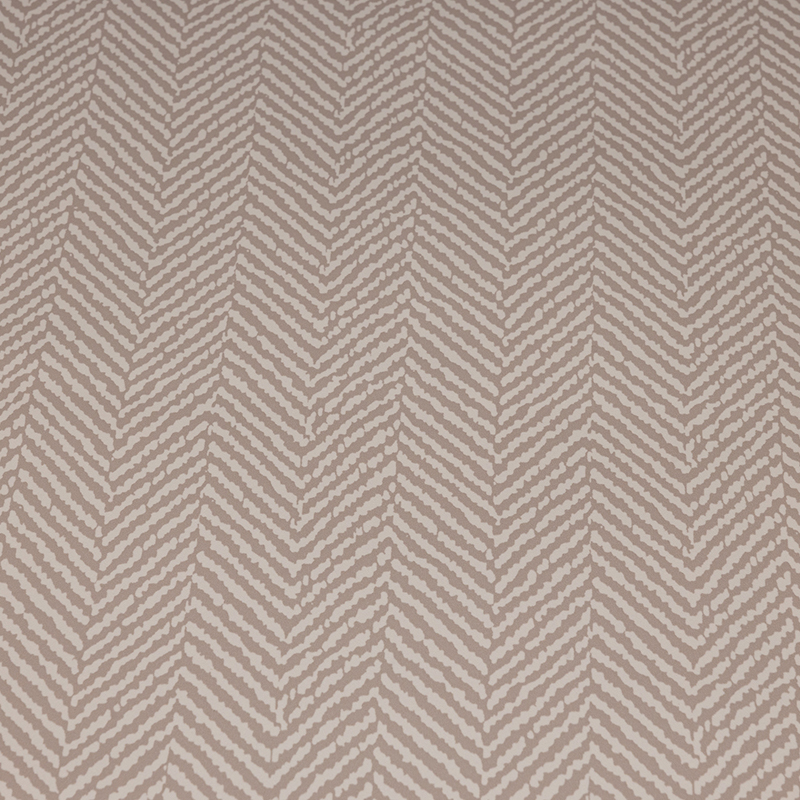
Design teams require material systems that accommodate brand-specific color palettes and intricate visual textures without sacrificing mechanical performance. Advanced gravure printing and digital inkjet technologies enable precise color matching across large production runs, maintaining consistency within tight Delta E tolerances. Surface embossing rollers replicate natural wood grain, brushed metal, stone veining, and geometric patterns with microscopic accuracy, creating tactile experiences that enhance perceived product value. The polypropylene base accepts topcoat formulations readily, allowing manufacturers to apply matte, satin, or high-gloss finishes based on market positioning and application requirements.
Customization extends beyond visual replication to include functional surface engineering. Anti-fingerprint coatings, antimicrobial additives, and static-dissipative treatments can be integrated during the coating phase, transforming standard decorative films into specialized solutions for electronics enclosures, medical device housings, and public transit interiors. Architects and interior designers collaborate directly with material engineers to develop proprietary finishes that align with spatial aesthetics while meeting rigorous performance specifications. This collaborative approach ensures that decorative surfaces contribute meaningfully to user experience, acoustic management, and spatial navigation without compromising budget constraints.
Installation Protocols and Long-Term Maintenance
Field installation demands systematic preparation to achieve seamless bonding and eliminate visible defects. Technicians must verify ambient temperature and relative humidity levels before initiating application, as extreme conditions affect adhesive flow and film conformity. Surface cleaning follows strict protocols involving isopropyl alcohol wiping and lint-free drying to remove oils, dust, and residual release agents. Adhesive primers are applied selectively to edges and high-curvature zones where mechanical stress concentrates during service life. Installers utilize soft-edged squeegees and controlled heat guns to relax the material gradually, working from center points outward to trap air pockets and ensure uniform tension distribution across complex contours.
Durability Assessment and Lifecycle Management
Long-term performance validation requires structured maintenance schedules and periodic inspection routines. Facility teams should avoid abrasive cleaning pads, ammonia-based solutions, and high-pressure water jets that can compromise surface coatings and adhesive boundaries. Routine maintenance relies on pH-neutral detergents and microfiber applicators to remove environmental contaminants without altering surface chemistry. When localized damage occurs, trained technicians can replace discrete sections using precision cutting tools and compatible adhesive transfer methods, preserving overall aesthetic continuity without requiring full panel replacement.
- Implement quarterly visual inspections focusing on edge adhesion, surface gloss consistency, and seam integrity in high-traffic zones.
- Document environmental exposure data and maintenance activities to establish predictive replacement timelines and optimize inventory planning.
- Utilize manufacturer-approved repair kits and compatible adhesive formulations to ensure chemical compatibility and maintain warranty compliance.
- Coordinate end-of-life recycling with certified processing facilities to recover polypropylene materials and reduce landfill diversion metrics.
The strategic implementation of these protocols ensures that PP Decorative Film delivers sustained aesthetic appeal and functional reliability throughout its designated service life. By adhering to precise installation standards and proactive maintenance schedules, operators maximize return on investment while minimizing operational disruptions. The material's inherent resilience, combined with adaptable manufacturing techniques and straightforward field application processes, positions it as a foundational surface solution for modern construction, furniture production, automotive manufacturing, and appliance design. Organizations that integrate these performance-driven materials into their specification frameworks achieve consistent quality outcomes, regulatory compliance, and enhanced user satisfaction across diverse application environments.
Recommended Articles
-
1.1 What is PP Decorative Film? PP decorative film is a type of surface material made primarily from polypropylene, a versatile and widely used thermoplastic po...
View More -
Is your furniture looking tired, outdated, or damaged? Imagine transforming it effortlessly into something stunning, durable, and uniquely yours. Enter PVC deco...
View More -
1.Introduction Edge banding is a crucial finishing process used in woodworking and furniture manufacturing to cover and seal the exposed sides of materials such...
View More
Xuanyi

Feel free to contact us
Xuanyi, dedicated to the application and research and development of new materials. Furniture Decorative Film Maufacturers and Factory.
Product Fast Links
Contact Information
-
 Room G, 4th Floor, Bailingshi Building, Haizhou Street, Haining City, Jiaxing City, Zhejiang Province, 314400, China
-
 [email protected]
-
 +86-15059290610
-
 +86-15059290610
Copyright © 2024Jiaxing Xuanyi International Trade Co.,Ltd All Rights Reserved. PVC/PP/PET Lamination Film for MDF WPC Plywood

