
 English
 Español
 عربى
عربى
 Home / Blog / Industry News / Food Grade PP Decorative Film: What It Is, Why It Matters & How to Choose
Industry News
Food Grade PP Decorative Film: What It Is, Why It Matters & How to Choose
2026-06-10
Content
What Makes a PP Decorative Film "Food Grade"
Not every polypropylene film qualifies as food grade—and the difference is not just a label. A food grade PP decorative film is one where the base resin, any additives used during processing, and the finished film all comply with regulatory standards governing direct or indirect food contact. In the United States, the governing standard is FDA 21 CFR 177.1520, which covers olefin polymers including polypropylene for food contact applications. The regulation specifies that the polymer must consist of at least 85% propylene monomer units, and that any additives—antioxidants, slip agents, heat stabilizers—must themselves be permitted food contact substances under applicable CFR sections.
For decorative films, this distinction matters more than it might first appear. Decorative PP films are applied to the surfaces of food storage containers, refrigerator interior liners, kitchen cabinet door faces, food packaging casings, and household product housings that regularly contact food or food-handling environments. A film that uses unregulated plasticizers, heavy-metal-based pigments, or non-food-contact additives can migrate chemical residues onto these surfaces under heat or prolonged contact conditions.
Food grade status requires documentation, not just material selection. Buyers should request a food contact compliance declaration—ideally referencing 21 CFR 177.1520 or the EU equivalent (EU Regulation 10/2011)—alongside RoHS and REACH certificates. A PP decorative film for furniture and interior surfaces that carries both regulatory references gives procurement teams the evidence needed for downstream product compliance.
How Biaxial Stretching Affects Food Safety Performance
The manufacturing process is as important as the raw material when evaluating food safety. Biaxially oriented polypropylene (BOPP) is produced by extruding a PP melt and then stretching it simultaneously—or sequentially—in both the machine direction and the transverse direction. This biaxial orientation process does more than improve mechanical strength. It fundamentally changes the polymer's molecular structure in ways that directly affect food contact performance.
During biaxial stretching, polymer chains align and pack more tightly in the plane of the film. This denser molecular arrangement reduces the free volume available for low-molecular-weight additives, oligomers, and residual monomers to migrate through the film structure. In practical terms, a biaxially oriented PP film will typically show lower extractable levels than an unoriented or cast PP film of equivalent composition—a meaningful advantage when the film's surface will be in contact with food or food-handling environments.
The orientation process also improves the film's resistance to the chemical solvents and cleaning agents that food-contact surfaces routinely encounter. Biaxially stretched PP withstands dilute acids, alkalis, and alcohol-based sanitizers without surface degradation, which is why food-grade BOPP films are preferred for applications where regular cleaning is expected. The combination of dense molecular packing and inherent chemical inertness makes biaxial stretching the preferred production method for PP films intended for food-adjacent applications.
Key Properties of Food Grade PP Decorative Film
Understanding which properties matter for food grade applications helps buyers evaluate products beyond certification documents alone. The most relevant performance characteristics are the following.
Chemical resistance. Food grade PP decorative film must withstand incidental contact with oils, vinegars, alcohol-based cleaners, and mild detergents without surface whitening, swelling, or delamination. The inherent non-polarity of polypropylene means it resists most household chemicals, but the specific additive package and surface coating must also be verified. Films with reactive surface coatings or solvent-based lacquers may not maintain compliance under prolonged chemical exposure.
Zero plasticizer formulation. Unlike PVC decorative films, which require plasticizers to remain flexible, food grade PP decorative films are inherently flexible without any plasticizer addition. This eliminates the primary migration concern associated with PVC in food contact environments. When specifying a film for food-adjacent surfaces, this distinction alone justifies the material selection decision.
Recyclability. Food grade PP is classified within the #5 resin recycling stream in most markets. Films that meet food contact standards are typically produced from virgin-grade or certified food-contact-compliant recycled PP resin, making them compatible with post-consumer recycling programs. This is increasingly a procurement requirement for manufacturers supplying to European retail channels and sustainability-conscious brand owners. For applications where durability under heavy use is an additional requirement, anti-scratch PP decorative film for high-contact applications adds surface hardness without compromising the base material's food-safe profile.
Moisture barrier performance. Biaxially oriented PP provides a meaningful barrier against moisture vapor transmission. For food packaging liner applications—where the film sits between the outer packaging structure and the food product—this moisture resistance directly contributes to shelf life extension and product integrity.
Thickness and Width: Matching Specification to Application
Food grade PP decorative films are available across a range of thicknesses and widths, and the correct specification depends on the processing method and end-use requirement. Selecting the wrong gauge is one of the most common sources of performance problems in lamination and wrapping applications.
| Thickness Range | Typical Processing Method | Typical Application |
|---|---|---|
| 0.08–0.10 mm | Flat lamination, heat sealing | Food packaging inner liner, thin-wall container surface |
| 0.10–0.15 mm | Flat lamination, vacuum pressing | Food storage casing panels, refrigerator liner film |
| 0.15–0.20 mm | Profile wrapping, vacuum forming | Kitchen cabinet door faces, household product housings |
| 0.20–0.30 mm | Vacuum forming, membrane pressing | Rigid food-contact surface panels, high-durability interior surfaces |
Roll width is equally important for production efficiency. Standard widths of 1000 mm to 1420 mm are designed to match common flat-lamination line and profile-wrapping machine formats without requiring costly slit conversion. Running a film at the wrong width relative to substrate size increases material waste and can introduce edge-seal inconsistencies that affect both appearance and performance.
For flooring and other high-traffic horizontal surfaces where food contact is incidental but cleaning frequency is high, PP flooring film for high-traffic surface protection delivers the chemical resistance and abrasion performance needed in food preparation and commercial kitchen environments.
How Xuanyi Sources and Supplies Food Grade PP Decorative Film
Jiaxing Xuanyi International Trade Co., Ltd. operates an integrated supply chain that covers raw material sourcing, calendering, and coating under one management structure. This vertical integration is directly relevant for food grade film procurement: it means the resin specification, additive package, and surface treatment are all controlled within the same production system, rather than assembled from multiple unrelated suppliers whose compliance documentation may not align.
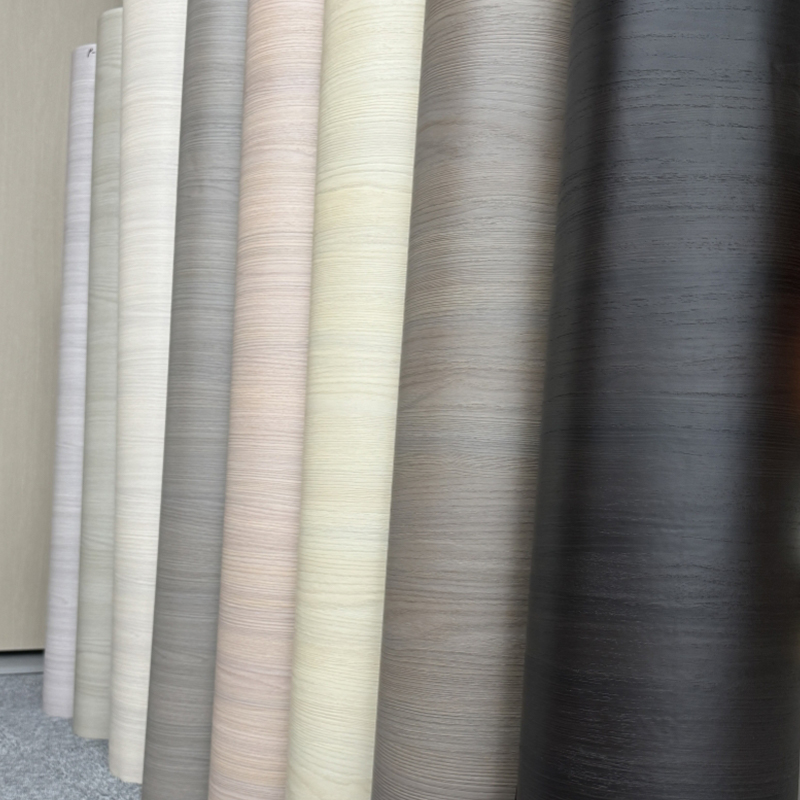
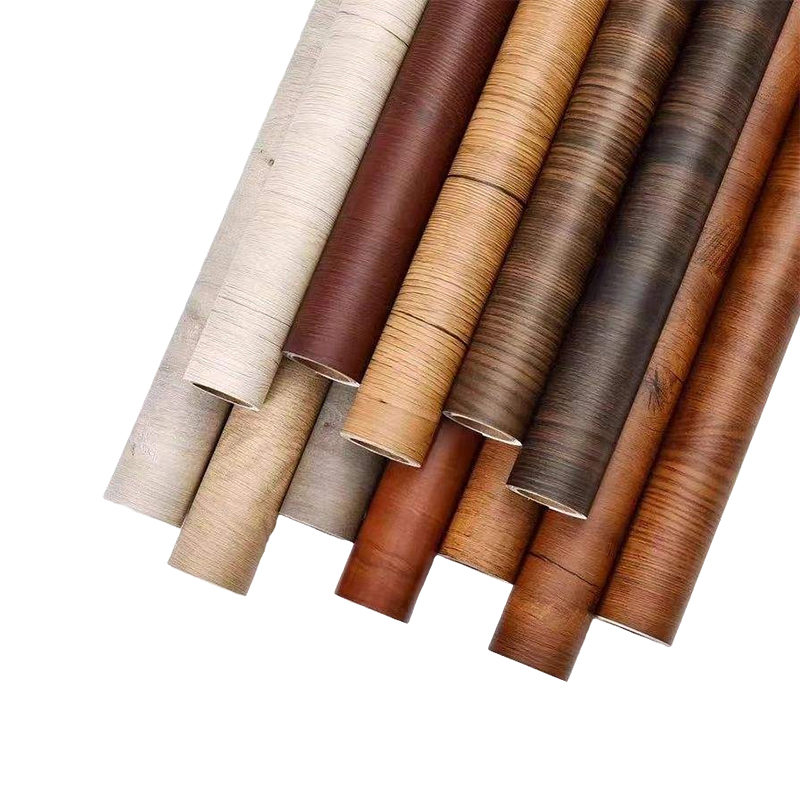
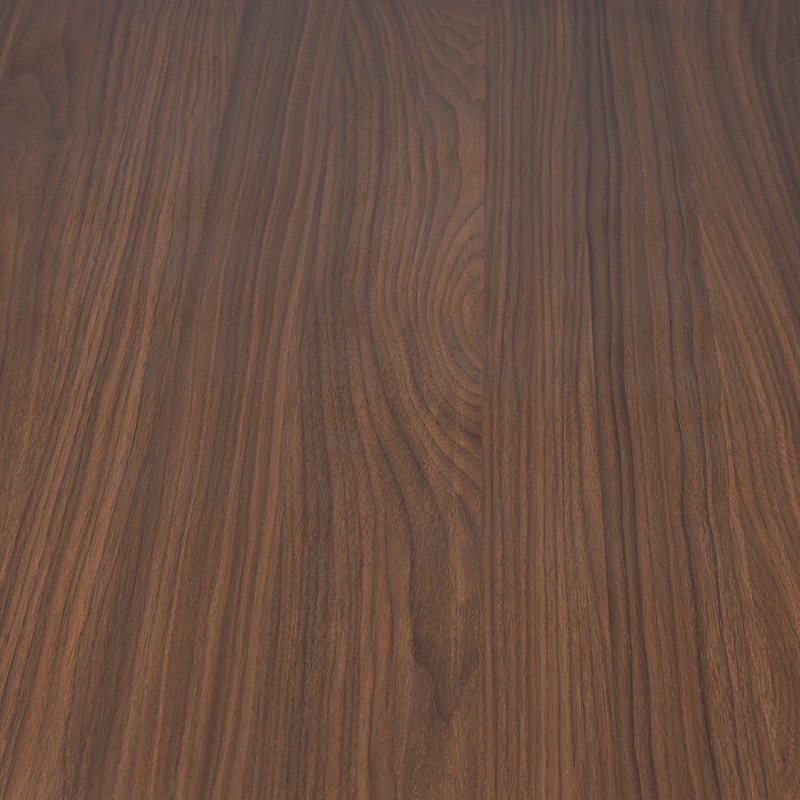
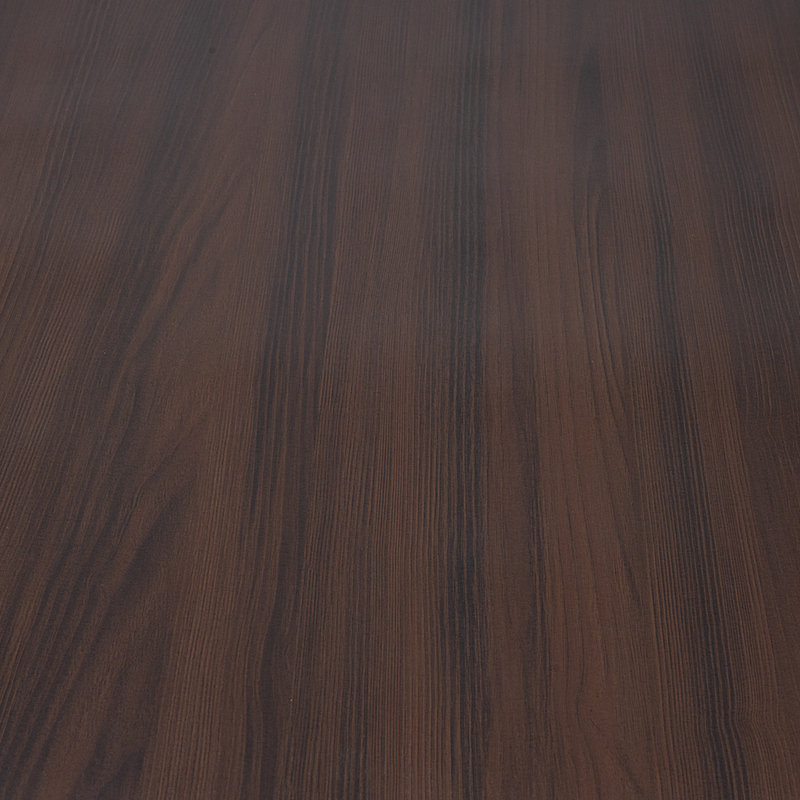
Xuanyi's PP decorative film range covers wood grain, solid color, and custom-print options in food-safe formulations, with thickness options from 0.08 mm through 0.30 mm and standard roll widths suited to flat lamination, vacuum pressing, and profile wrapping processes. With annual production capacity exceeding 20 million meters, the company is structured to meet volume requirements for both trial orders and full-scale production commitments.
For buyers sourcing food grade PP decorative film for the first time, or switching from PVC to PP for regulatory or sustainability reasons, the most practical starting point is a sample evaluation matched to your specific substrate, process conditions, and downstream food contact requirements. Xuanyi's technical and commercial teams work with customers to identify the correct specification before order placement—reducing the risk of process incompatibility or compliance gaps at the production stage.
Recommended Articles
-
1.1 What is PP Decorative Film? PP decorative film is a type of surface material made primarily from polypropylene, a versatile and widely used thermoplastic po...
View More -
Is your furniture looking tired, outdated, or damaged? Imagine transforming it effortlessly into something stunning, durable, and uniquely yours. Enter PVC deco...
View More -
1.Introduction Edge banding is a crucial finishing process used in woodworking and furniture manufacturing to cover and seal the exposed sides of materials such...
View More
Xuanyi

Feel free to contact us
Xuanyi, dedicated to the application and research and development of new materials. Furniture Decorative Film Maufacturers and Factory.
Product Fast Links
Contact Information
-
 Room G, 4th Floor, Bailingshi Building, Haizhou Street, Haining City, Jiaxing City, Zhejiang Province, 314400, China
-
 [email protected]
-
 +86-15059290610
-
 +86-15059290610
Copyright © 2024Jiaxing Xuanyi International Trade Co.,Ltd All Rights Reserved. PVC/PP/PET Lamination Film for MDF WPC Plywood

