
 English
 Español
 عربى

 Home / Blog / Industry News / Locker Room Door Wraps: Material Selection, Installation, and ROI Guide

Industry News
Locker Room Door Wraps: Material Selection, Installation, and ROI Guide
2026-10-20
Quick answer: locker room door wraps are a specification problem before they are a graphics problem. The wrap has to stay bonded through moisture, sanitizer residue, shoulder traffic, cart impacts, and repeated cleaning. Choose the film, adhesive, surface prep, and edge treatment as one system, then approve artwork.
- Flat, sound door skins usually suit permanent self-adhesive interior film with air-release channels.
- PVC film is common for conformable wraps; PET gives harder, high-gloss surfaces; PP can suit moisture and chemical exposure where specified.
- Edge lift, not face scuffing, is the first failure most facility teams notice.
A locker room door is handled differently from an office door. It is pushed by shoulders, propped open with equipment, splashed near showers, wiped with stronger cleaners, and inspected by people who care about team identity. A wrap that looks correct on a sample board can still fail at the hinge side, push plate, or top rail if the substrate and adhesive were not matched.
The practical starting point is a door audit: substrate type, coating condition, moisture exposure, hardware cutouts, cleaning chemicals, and replacement cycle. That audit determines whether a decorative wrap is a low-cost refresh or a short-lived patch.
Content
Start With the Door, Not the Graphic
Painted steel, aluminum, MDF, HPL, and vinyl-faced doors do not behave the same way. Painted metal may have release agents or chalking; MDF can swell at edges; HPL may need scuffing and a primer; previously wrapped doors may carry old adhesive. A wrap installed over a contaminated surface will look acceptable for weeks and then lift under cleaning or temperature cycling.
For flat door skins, permanent self-adhesive film with air-release channels reduces trapped bubbles during installation. For curved or profiled doors, a more conformable cast film is usually easier to work around recesses. For high-gloss or heavily handled surfaces, a hard-coated PET or anti-scratch PVC face may hold appearance longer, but the edge and adhesive system still decide service life.
Adhesive
Permanent acrylic systems are typical for interior architectural wraps. A removable adhesive can help on temporary event doors, but it is usually the wrong choice for daily locker room traffic.
Face Film
PVC, PP, and PET each bring different conformability, gloss, and cleaning resistance. Match the face to the door shape and the cleaning regime, not only to the color card.
Edge Detail
A 6–12 mm wrap around the door edge can protect the cut line, but thick film may interfere with closers, hinges, or latch plates. Trim and relieve hardware areas before installation.
Hardware
Push plates, kick plates, viewers, and closers create stress points. Cut cleanly, post-heat edges, and avoid bridging moving parts.
Because decorative film performance depends on the full coating and lamination chain, it is worth reviewing the supplier’s manufacturing controls before approving a large locker room package.
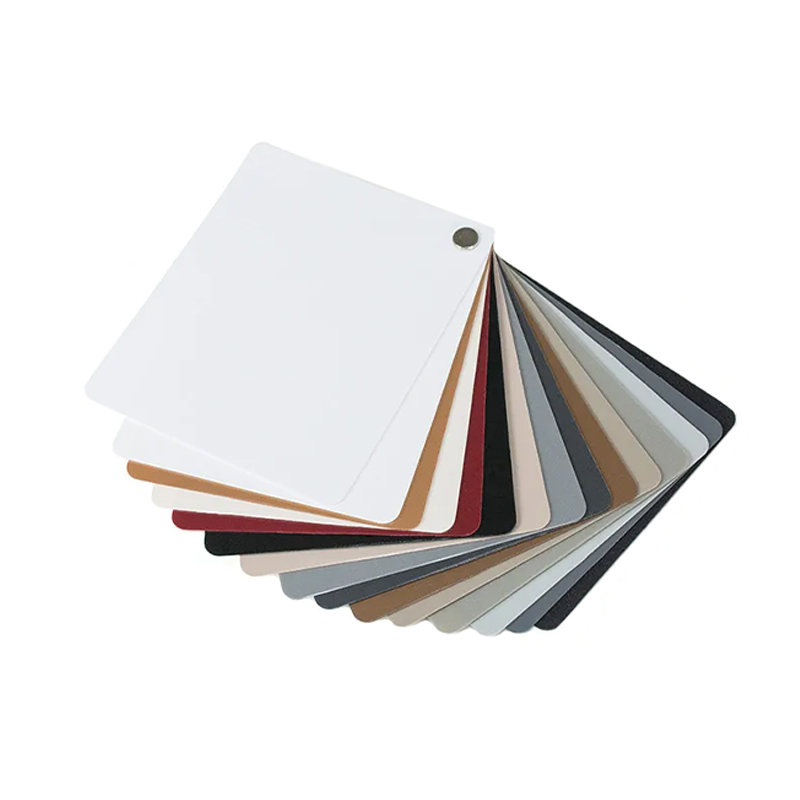
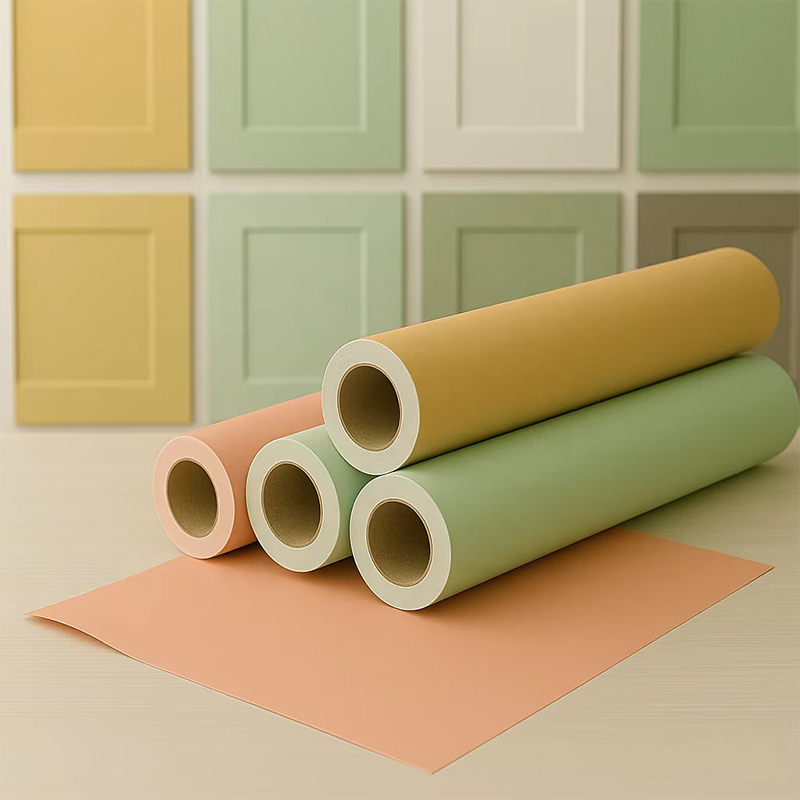 Self-Adhesive Solid-Color Interior Decorative FilmFor color-block team rooms and simple door skins, this air-free self-adhesive film offers cleanable solid-color surfaces; review supplier manufacturing controls before large orders.View Product →
For color-block team rooms and simple door skins, a permanent self-adhesive air-free interior film can reduce installation risk while keeping the surface cleanable.
Compare Wrap Constructions Before You Approve Artwork
The table below is a procurement comparison, not a universal specification. Use it to ask better questions of film suppliers and installers, then verify the exact product data sheet for the door substrate.
Caption: Use this comparison to frame supplier questions; final selection should follow the door substrate, cleaning chemicals, and local fire requirements.
Hidden Metrics That Decide Lifecycle Cost
Facility teams often track graphics approval and square-meter price, then miss the measures that drive rework. The chart below is an illustrative weighting for a procurement scorecard, not field test data. It shows where inspection and specification attention usually pay back fastest.
Edge lift
Surface scuff
Adhesion loss
Cutout tear
Color shift
In practice, edge lift and surface scuffing dominate. That means the cheapest film per roll is not automatically the lowest lifecycle cost if it needs earlier replacement or extra edge sealing.
Where Locker Room Door Wraps Are Used
Wrap demand inside a locker room is not evenly distributed. Team rooms and corridor doors carry identity and traffic; shower and restroom entries carry moisture; equipment rooms carry impact and utility priority. The distribution below is a planning view for a typical athletic facility package, not a market statistic.
- 35% team rooms and entry doors: identity graphics, color blocks, sponsor or school marks.
- 20% shower and restroom entries: moisture, cleaning chemicals, edge sealing.
- 15% gym corridors: wayfinding, durability, scuff resistance.
- 12% equipment and storage rooms: impact, utility, lower aesthetic priority.
- 10% coaching and staff areas: wood-grain or solid-color refresh.
- 8% other doors: specialty graphics, temporary events, repair zones.
For staff areas, cubby fronts, and vanity panels, a light oak wood-grain self-adhesive film can soften an institutional look without changing the door core.
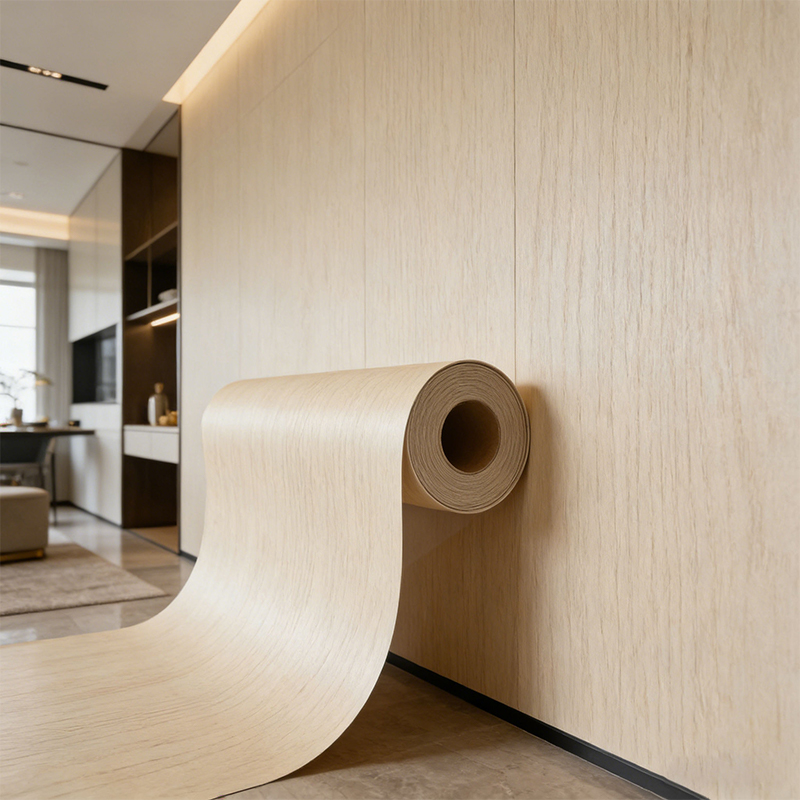 Light Oak Wood-Grain Self-Adhesive Decorative FilmFor staff areas, cubby fronts, and vanity panels, this light oak wood-grain film can soften an institutional look without changing the door core.View Product →
ROI and Selection Path: From Audit to Sign-Off
The ROI case for locker room door wraps is strongest when it avoids a full repaint cycle, shortens downtime, or standardizes a mixed door inventory. A simple model is: total installed cost divided by expected service years, plus the cost of touch-ups and access disruption. If a wrap avoids two repaint cycles and keeps doors in service during installation, it can compare well even at a higher material price.
- Audit the door: record substrate, coating, moisture, hardware, and cleaning chemicals.
- Select the film system: choose face film, adhesive, and edge treatment together; confirm fire and indoor-air documentation where required.
- Approve a mock-up: test a full door, including a hardware cutout and an edge return, before scaling to the room.
- Control installation conditions: clean, dry substrate; moderate temperature; post-heat edges; do not bridge moving parts.
- Inspect and document: photograph edges, corners, and cutouts; hand over cleaning instructions and warranty terms.
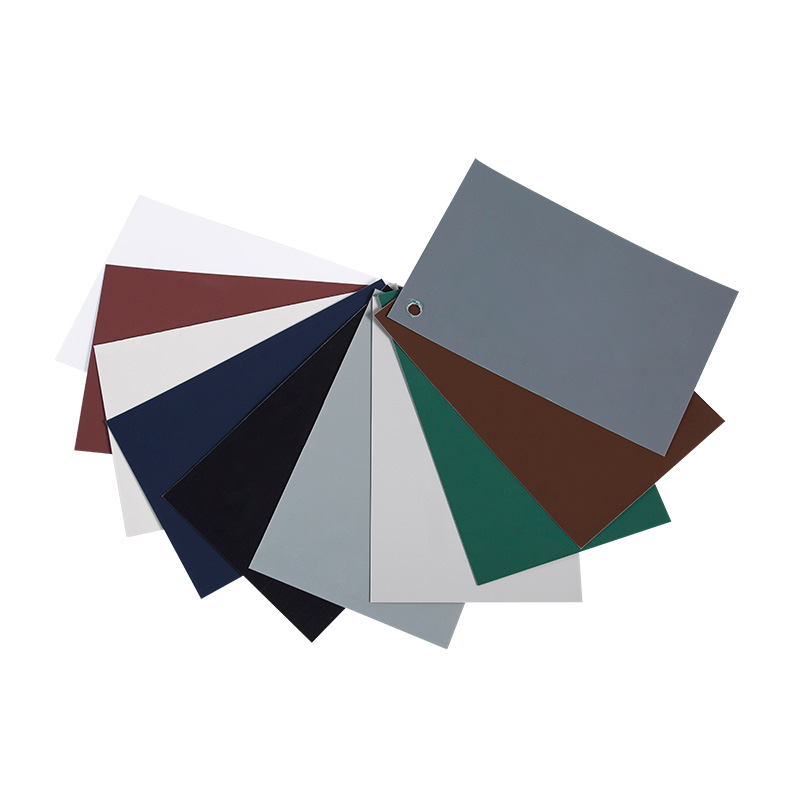
For flat door faces with a single brand color, a solid-color PVC decorative film can be a practical starting point, provided the adhesive and edge detail suit the door.
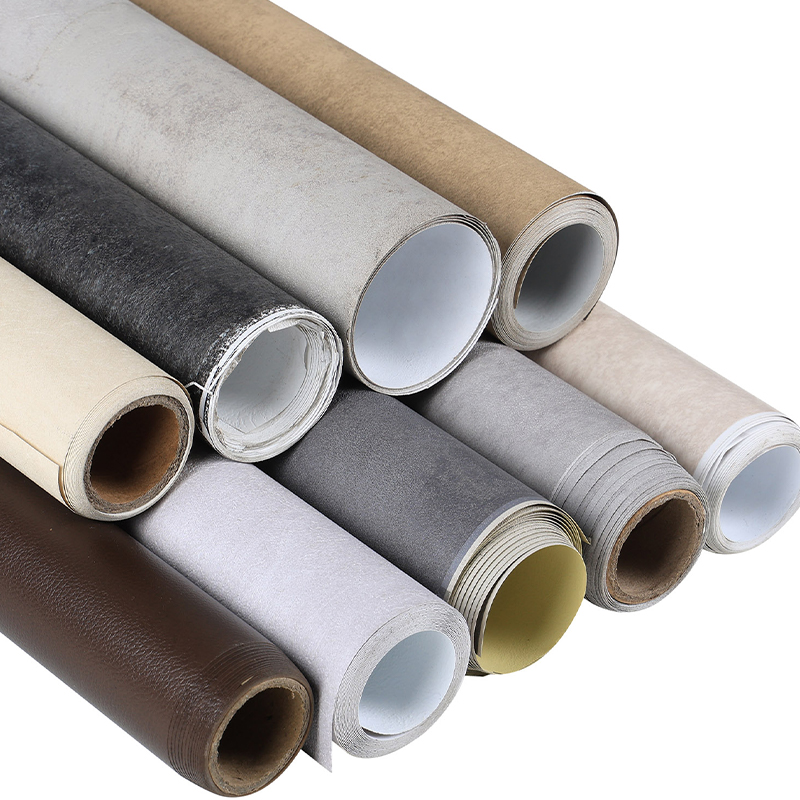
 Solid-Color PVC Decorative Film and Foil RollsFor flat single-color door faces, this PVC decorative film is a practical starting point; check adhesive and edge detail, and clean edges with neutral-pH products.View Product →
Maintenance and Compliance Notes
Most premature failures come from cleaning and edges, not from the printed graphic. Use neutral-pH cleaners, avoid abrasive pads and strong solvents, and test any new disinfectant on an inconspicuous area. Wipe along edges rather than blasting them with water. Inspect hinge sides, latch plates, and push plates monthly, and reseal lifted edges before moisture migrates under the film.
- Confirm fire and smoke performance against the applicable building code and local authority requirements; request test reports rather than relying on marketing claims.
- Check that wrap thickness and edge returns do not interfere with closers, hinges, latches, or accessibility hardware.
- Keep a small quantity of the same batch for touch-ups, and record the installation date, film lot, and cleaning products used.
- For moisture-prone rooms, specify edge sealing and a repair procedure before the first shower season, not after lifting begins.
Locker room door wraps deliver the best value when the specification is written around the door’s real service conditions. If the project mixes painted steel, MDF, and existing laminate doors, ask for a substrate-by-substrate review through the supplier’s contact channel before ordering film.
Recommended Articles
-
1.1 What is PP Decorative Film? PP decorative film is a type of surface material made primarily from polypropylene, a versatile and widely used thermoplastic po...
View More -
Is your furniture looking tired, outdated, or damaged? Imagine transforming it effortlessly into something stunning, durable, and uniquely yours. Enter PVC deco...
View More -
1.Introduction Edge banding is a crucial finishing process used in woodworking and furniture manufacturing to cover and seal the exposed sides of materials such...
View More
Xuanyi

Feel free to contact us
Xuanyi, dedicated to the application and research and development of new materials. Furniture Decorative Film Maufacturers and Factory.
Product Fast Links
Contact Information
-
 Room G, 4th Floor, Bailingshi Building, Haizhou Street, Haining City, Jiaxing City, Zhejiang Province, 314400, China
-
 [email protected]
-
 +86-15059290610
-
 +86-15059290610
Copyright © 2024Jiaxing Xuanyi International Trade Co.,Ltd All Rights Reserved. PVC/PP/PET Lamination Film for MDF WPC Plywood

