
 English
 Español
 عربى
عربى


Industry News
Moisture Resistance of Self Adhesive Film Wallpaper in Daily Use
2026-01-07
Content
- 1 Understanding Moisture Exposure in Daily Interior Environments
- 2 Material Structure and Its Role in Moisture Resistance
- 3 Performance Under Humidity and Condensation
- 4 Adhesion Stability in Moist Conditions
- 5 Comparison of Moisture Resistance Across Installation Areas
- 6 Maintenance Practices That Support Moisture Resistance
- 7 Practical Suitability for Everyday Living Spaces
Understanding Moisture Exposure in Daily Interior Environments
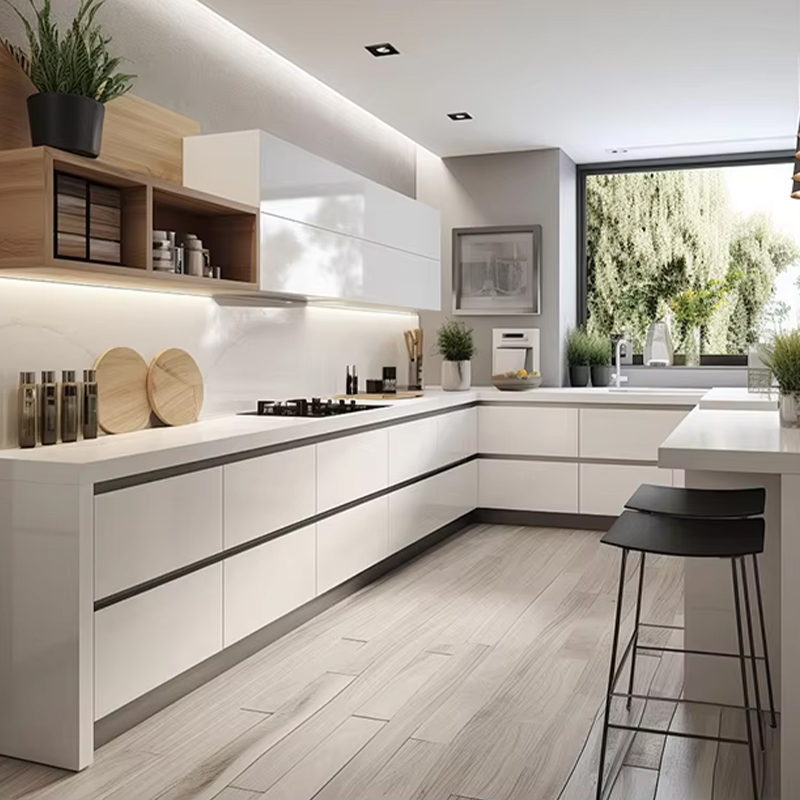
Self adhesive film wallpaper is often installed in spaces where moisture exposure is part of daily use, such as kitchens, bathrooms, laundry rooms, and entryways. Moisture in these environments typically comes from humidity, condensation, splashes, or routine cleaning rather than constant water contact. Understanding the type and frequency of moisture exposure helps determine how well self adhesive film wallpaper will perform over time.
Unlike traditional wallpaper that relies on water-based adhesives, self adhesive film wallpaper uses pressure-sensitive adhesive layers. This construction changes how moisture interacts with both the surface film and the bond to the wall.
Material Structure and Its Role in Moisture Resistance
Most self adhesive film wallpapers are manufactured using polymer-based films such as PVC or similar synthetic materials. These films are naturally resistant to moisture penetration, preventing water from soaking into the decorative layer.
The adhesive layer is typically formulated to maintain bonding strength under moderate humidity. While not designed for continuous water immersion, this adhesive structure supports stable adhesion in environments where moisture levels fluctuate throughout the day.
Performance Under Humidity and Condensation
In daily use, humidity is the most common form of moisture affecting self adhesive film wallpaper. Bathrooms without direct water contact and kitchens with steam from cooking represent typical conditions. Under these circumstances, the film surface resists swelling and surface deformation.
Condensation can occur on colder wall surfaces, especially during seasonal temperature changes. Properly installed self adhesive film wallpaper remains dimensionally stable, provided the substrate is clean, dry, and sealed before installation.
Common Moisture Sources in Daily Use
- Steam generated from cooking or showering
- Condensation on exterior or poorly insulated walls
- Occasional splashes during cleaning or daily activities
Adhesion Stability in Moist Conditions
Moisture resistance is closely tied to how well the adhesive layer maintains contact with the wall surface. Smooth, non-porous substrates such as painted drywall, sealed wood panels, or tiles provide better adhesion stability in humid conditions.
If moisture penetrates behind the film due to poor surface preparation or existing wall dampness, adhesion strength may gradually decrease. This can lead to edge lifting or localized peeling, particularly around corners and seams.
Comparison of Moisture Resistance Across Installation Areas
| Installation Area | Typical Moisture Level | Performance Expectation |
| Kitchen Walls | Moderate humidity and occasional splashes | Stable with proper surface preparation |
| Bathroom Dry Zones | High humidity without direct water contact | Reliable under controlled ventilation |
| Laundry Areas | Intermittent moisture exposure | Consistent performance on sealed surfaces |
Maintenance Practices That Support Moisture Resistance
Routine maintenance helps preserve moisture resistance during daily use. Cleaning should be performed using a soft cloth and mild detergent, avoiding excessive water application along edges and seams.
Ensuring adequate ventilation in moisture-prone rooms reduces prolonged humidity buildup. This supports long-term adhesion and minimizes the risk of moisture-related issues behind the film.
Practical Suitability for Everyday Living Spaces
Self adhesive film wallpaper demonstrates practical moisture resistance for daily residential use when installed on appropriate surfaces and maintained under normal indoor conditions. While not intended for direct water exposure, its material structure and adhesive formulation support reliable performance in common moisture-affected environments.
By aligning installation location, surface preparation, and maintenance habits, self adhesive film wallpaper remains a functional decorative solution in everyday living spaces where moisture is part of routine use.
Recommended Articles
-
1.1 What is PP Decorative Film? PP decorative film is a type of surface material made primarily from polypropylene, a versatile and widely used thermoplastic po...
View More -
Is your furniture looking tired, outdated, or damaged? Imagine transforming it effortlessly into something stunning, durable, and uniquely yours. Enter PVC deco...
View More -
1.Introduction Edge banding is a crucial finishing process used in woodworking and furniture manufacturing to cover and seal the exposed sides of materials such...
View More
Xuanyi

Feel free to contact us
Xuanyi, dedicated to the application and research and development of new materials. Furniture Decorative Film Maufacturers and Factory.
Product Fast Links
Contact Information
-
 Room G, 4th Floor, Bailingshi Building, Haizhou Street, Haining City, Jiaxing City, Zhejiang Province, 314400, China
-
 [email protected]
-
 +86-15059290610
-
 +86-15059290610
Copyright © 2024Jiaxing Xuanyi International Trade Co.,Ltd All Rights Reserved. PVC/PP/PET Lamination Film for MDF WPC Plywood

