
 English
 Español
 عربى
عربى
 Home / Blog / Industry News / Self-Adhesive Film Wallpaper for Kitchens and Bathrooms: Moisture-Resistant Options
Industry News
Self-Adhesive Film Wallpaper for Kitchens and Bathrooms: Moisture-Resistant Options
2025-12-18
Content
Why Choose Self-Adhesive Film Wallpaper for Kitchens and Bathrooms
Kitchens and bathrooms are areas prone to moisture, splashes, and frequent cleaning, making traditional wallpaper unsuitable in many cases. Self-adhesive film wallpaper offers a practical alternative with moisture-resistant properties that help maintain durability and appearance in these high-humidity spaces. Unlike regular wallpapers, these films are designed to resist water penetration and mold growth, providing a long-lasting decorative solution.
In addition to moisture resistance, self-adhesive film wallpaper is easy to clean, allowing for quick maintenance of surfaces affected by steam, cooking splashes, or water exposure. This makes them an ideal choice for homeowners seeking both style and practicality.
Material Properties That Ensure Moisture Resistance
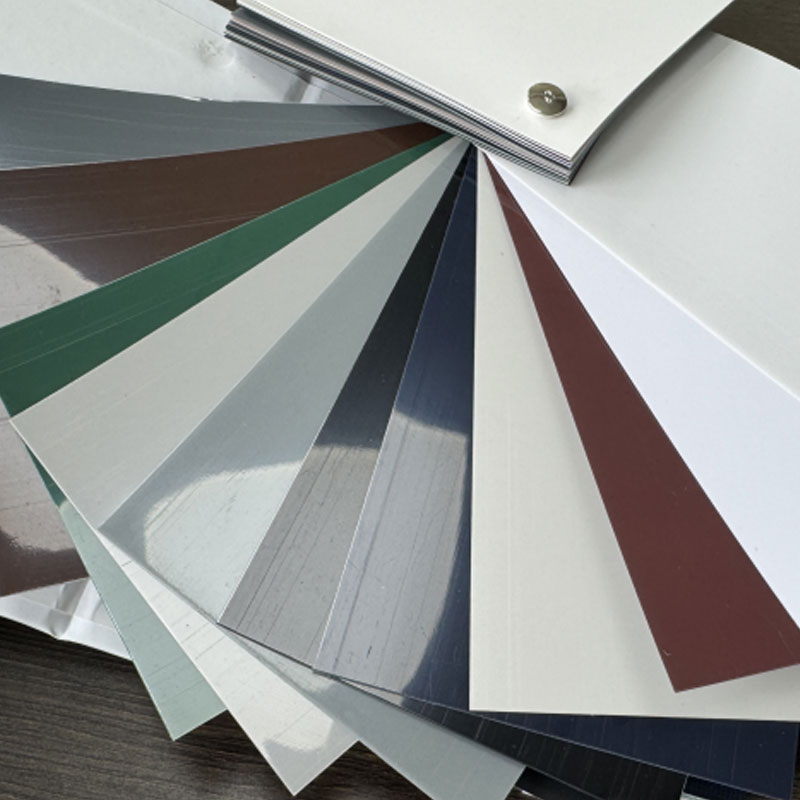
Self-adhesive film wallpaper designed for kitchens and bathrooms is typically made from vinyl, PVC, or laminated polymer films. These materials provide a non-porous surface that prevents water from seeping through and damaging the wall beneath. Additionally, high-quality adhesives are formulated to remain effective in humid conditions without peeling or bubbling.
Some products also include antimicrobial coatings to inhibit mold and mildew growth, which is particularly important in bathrooms and areas around sinks or showers. The combination of water resistance and hygienic properties makes these wallpapers both functional and safe for indoor use.
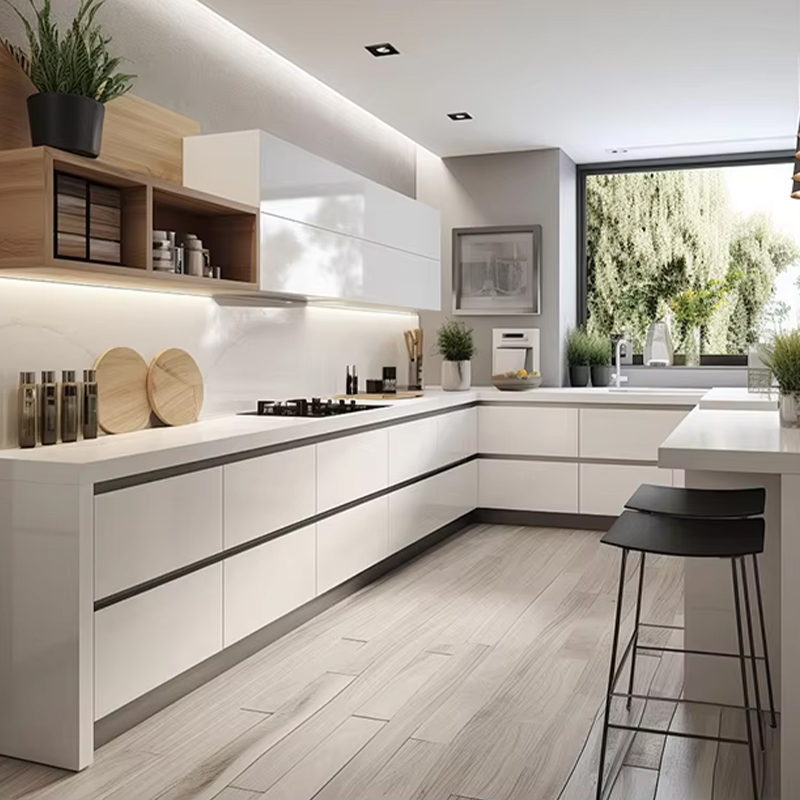
Applications and Design Considerations
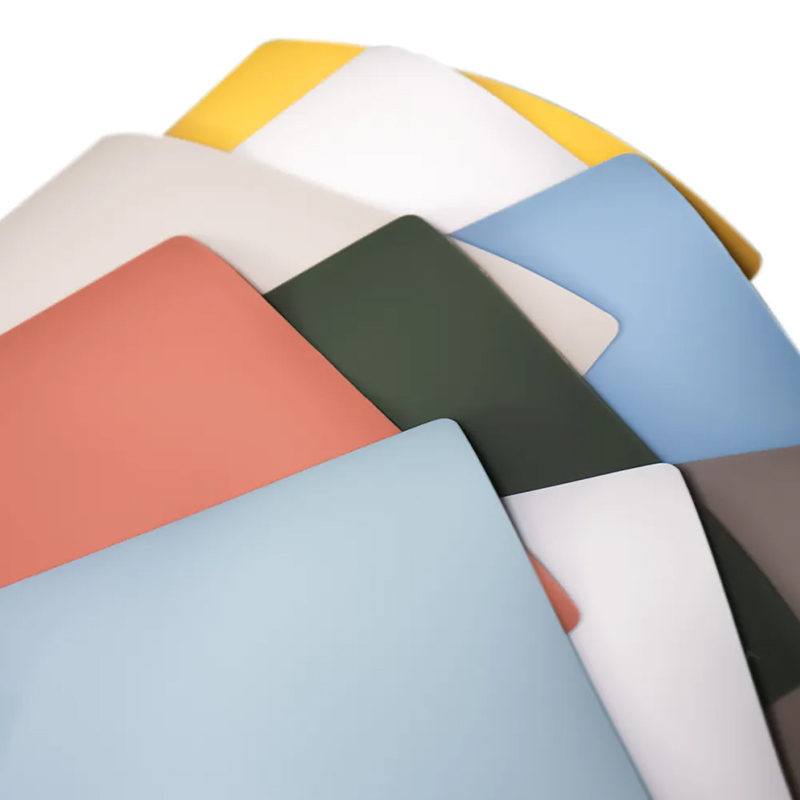
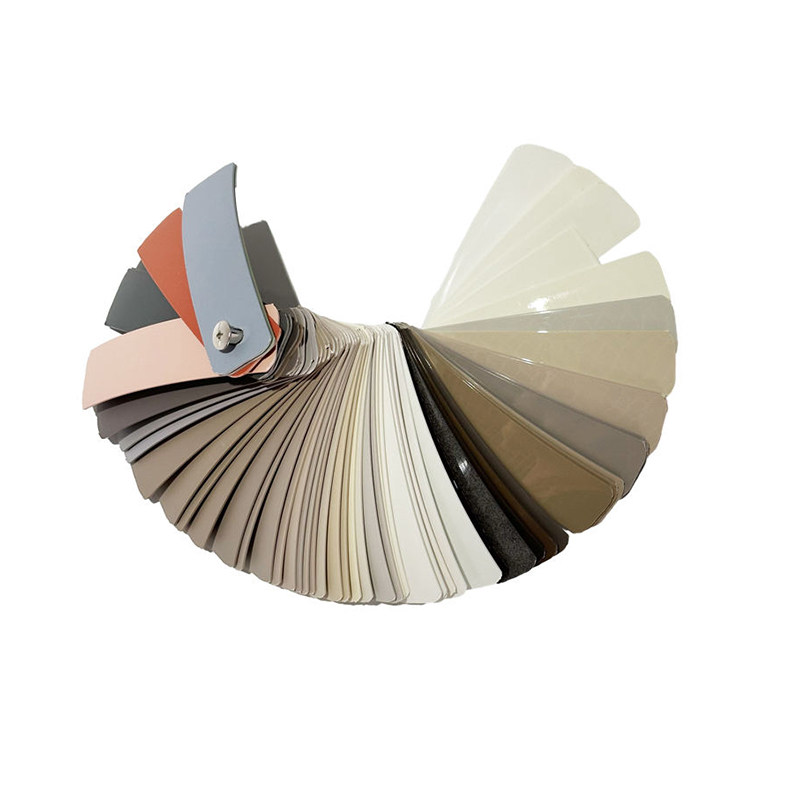
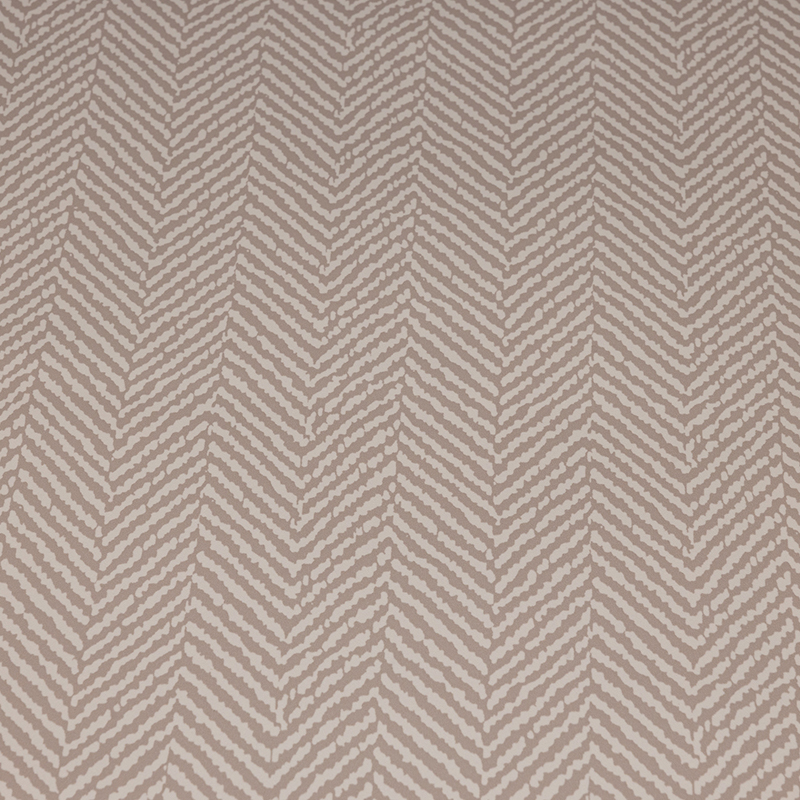
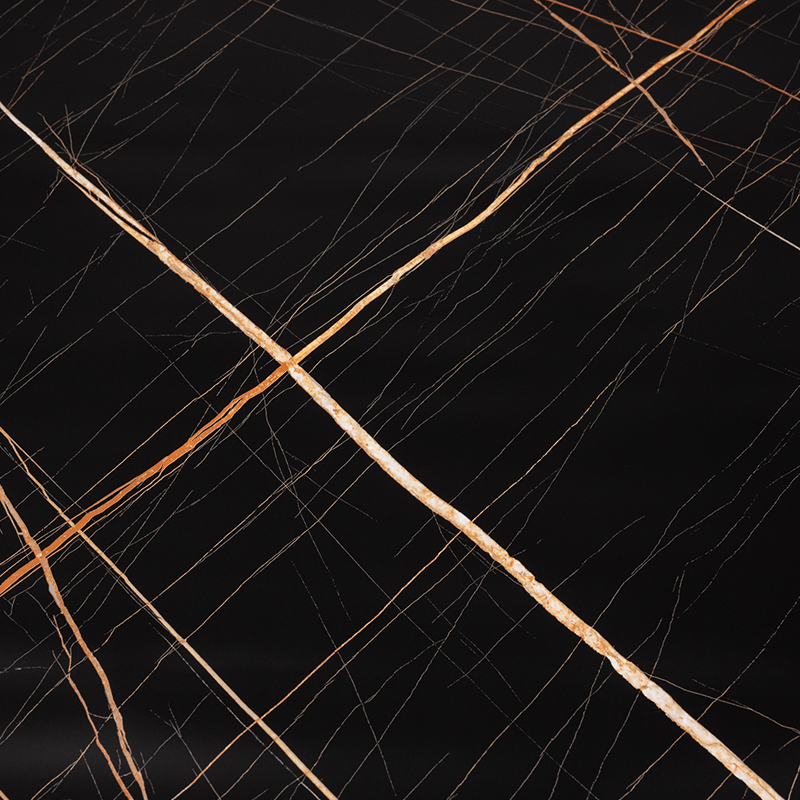
When selecting self-adhesive film wallpaper for kitchens and bathrooms, it is important to consider both aesthetics and practicality. Patterns and colors can complement cabinetry, tiles, and fixtures, while the material’s thickness and texture contribute to its durability and ease of cleaning.
Popular applications include covering backsplashes, accent walls, and cabinet surfaces. In bathrooms, these wallpapers can be used on walls adjacent to showers, sinks, or bathtubs without compromising performance. Proper surface preparation, such as cleaning and drying, ensures optimal adhesion and longevity.
Key design tips for moisture-resistant film wallpaper
- Choose patterns and colors that complement existing tiles and fixtures
- Use smooth surfaces for better adhesion and easier cleaning
- Consider laminated or coated options for enhanced durability
Installation Process and Best Practices
The installation of self-adhesive film wallpaper is straightforward but requires attention to detail for optimal performance. Start by cleaning the wall surface thoroughly to remove dust, grease, or residues. Measure and cut the wallpaper to fit the target area precisely.
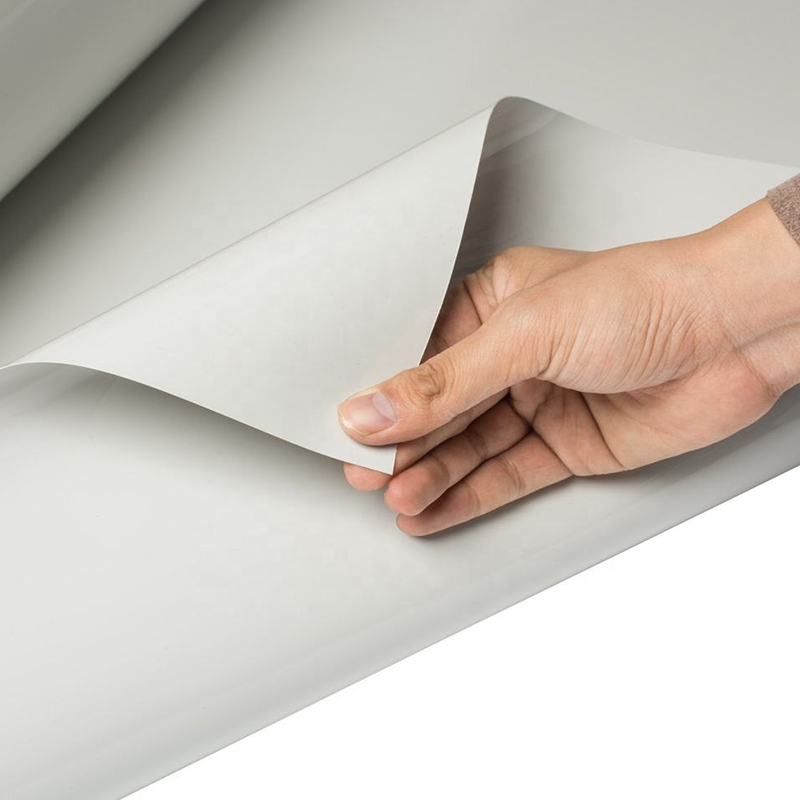
During application, slowly peel the backing paper while smoothing the wallpaper onto the surface to avoid air bubbles or wrinkles. A plastic squeegee or a soft cloth can be used to press the film evenly, ensuring full adhesion. Edges and corners should be carefully aligned to prevent peeling over time.
Maintenance and Cleaning Tips
Self-adhesive film wallpaper is designed for easy maintenance, but proper cleaning ensures long-term durability. Use a soft, damp cloth or sponge with mild soap to remove dirt, grease, or water spots. Avoid abrasive cleaning tools or harsh chemicals that may damage the film surface or adhesive.
Regular cleaning prevents the buildup of grime and helps maintain the wallpaper's appearance in kitchens and bathrooms. The moisture-resistant properties allow for frequent wiping without compromising adhesion or texture.
Comparison With Traditional Wallpaper
| Feature | Traditional Wallpaper | Self-Adhesive Film Wallpaper |
| Moisture Resistance | Low; susceptible to peeling | High; water-resistant and durable |
| Installation Ease | Moderate; requires paste and precision | Easy; peel-and-stick application |
| Cleaning | Sensitive to moisture; may stain | Simple; wipe with damp cloth |
| Durability in Wet Areas | Limited; prone to mold and peeling | Excellent; resistant to moisture and mildew |
Conclusion
Self-adhesive film wallpaper is a practical and stylish choice for kitchens and bathrooms, offering moisture resistance, easy installation, and simplified maintenance. By selecting high-quality vinyl or PVC films with strong adhesive and antimicrobial properties, homeowners can achieve durable and visually appealing surfaces that withstand the challenges of humid environments. Proper preparation, installation, and routine cleaning ensure that the wallpaper remains a functional and decorative solution for years to come.
Recommended Articles
-
1.1 What is PP Decorative Film? PP decorative film is a type of surface material made primarily from polypropylene, a versatile and widely used thermoplastic po...
View More -
Is your furniture looking tired, outdated, or damaged? Imagine transforming it effortlessly into something stunning, durable, and uniquely yours. Enter PVC deco...
View More -
1.Introduction Edge banding is a crucial finishing process used in woodworking and furniture manufacturing to cover and seal the exposed sides of materials such...
View More
Xuanyi

Feel free to contact us
Xuanyi, dedicated to the application and research and development of new materials. Furniture Decorative Film Maufacturers and Factory.
Product Fast Links
Contact Information
-
 Room G, 4th Floor, Bailingshi Building, Haizhou Street, Haining City, Jiaxing City, Zhejiang Province, 314400, China
-
 [email protected]
-
 +86-15059290610
-
 +86-15059290610
Copyright © 2024Jiaxing Xuanyi International Trade Co.,Ltd All Rights Reserved. PVC/PP/PET Lamination Film for MDF WPC Plywood

