
 English
 Español
 عربى
عربى


Industry News
Fabric PVC Decorative Film: A Complete Guide
2026-05-08
Content
What Is Fabric PVC Decorative Film?
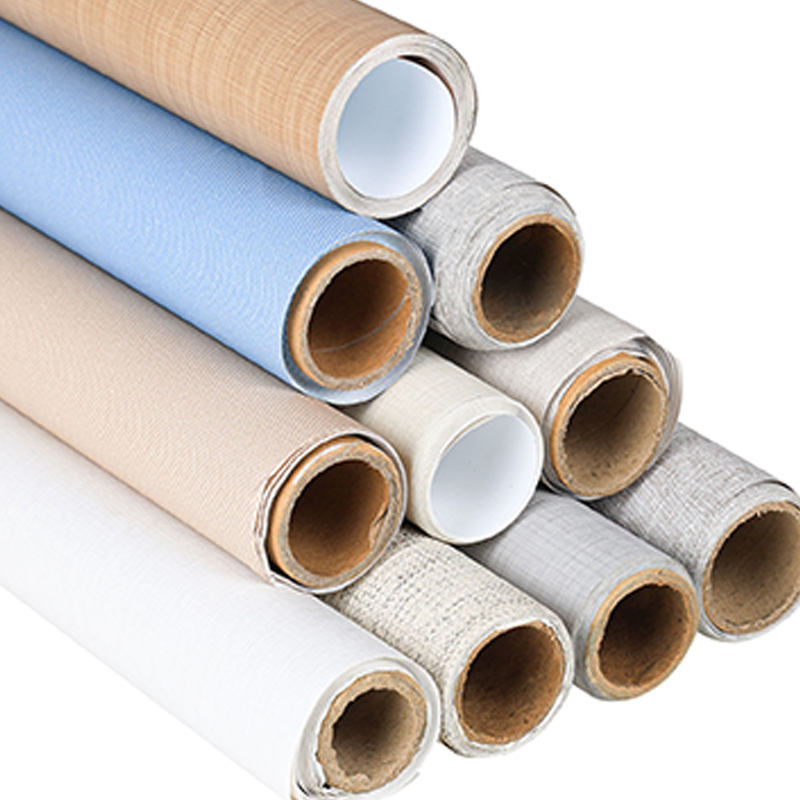
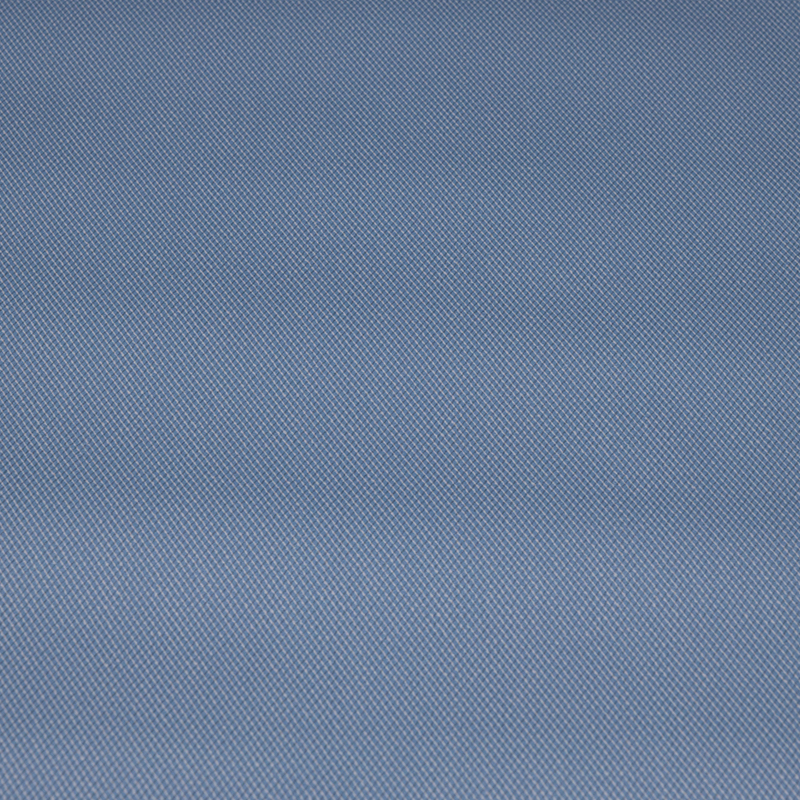
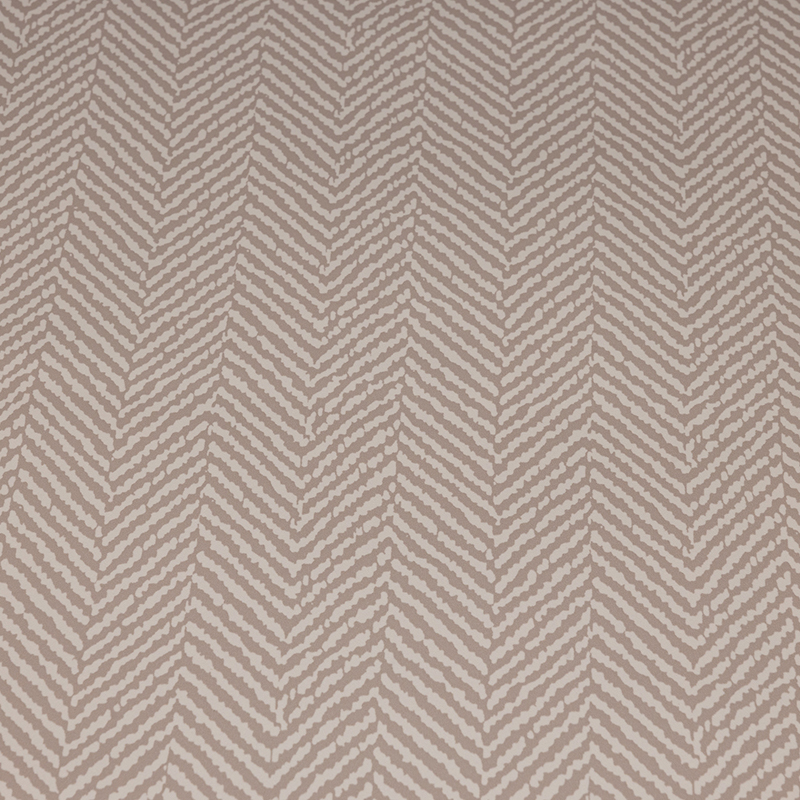
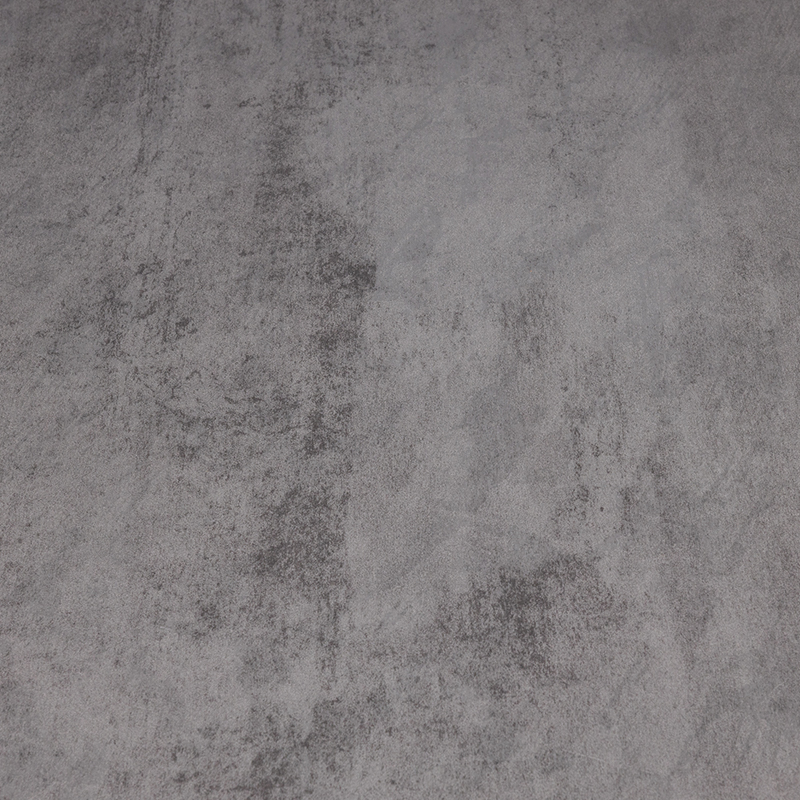
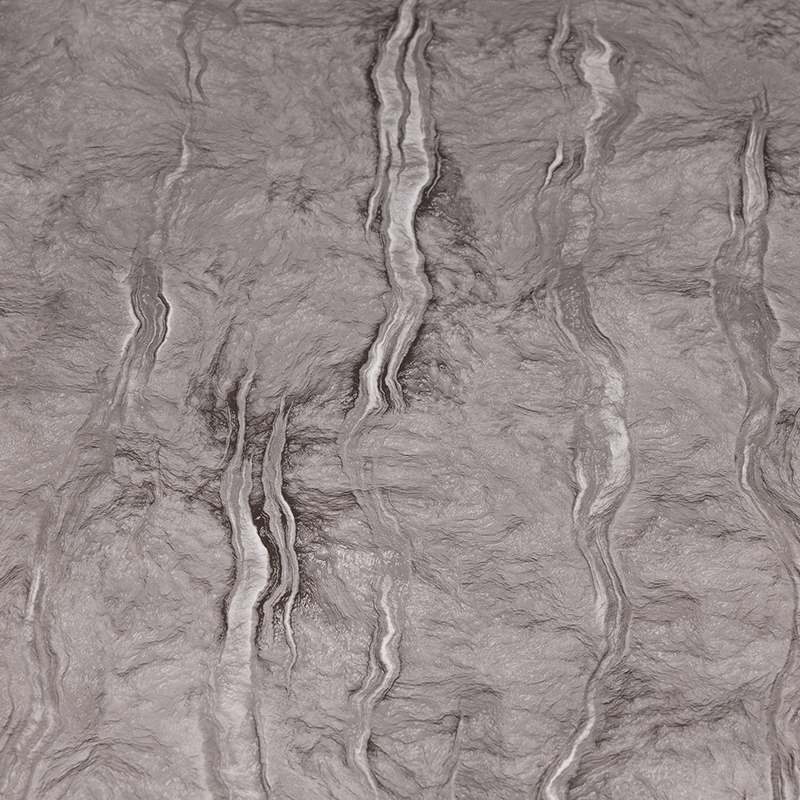
PVC decorative film is a versatile surface material made from polyvinyl chloride that has been engineered to replicate the look and feel of natural fabrics through precision embossing and advanced surface treatment. Unlike plain plastic sheeting, fabric PVC decorative film goes through a multi-stage manufacturing process: a base PVC layer is first calendared to a controlled thickness, then embossed with textile-inspired patterns such as linen weave, canvas grain, or suede texture, and finally coated with protective top finishes that enhance both appearance and performance. The result is a film that closely mimics the tactile quality of woven fabric while delivering the structural durability that PVC is known for.
This category of film is widely used across the furniture, construction, and interior design industries because it bridges the gap between aesthetics and practicality. Whether you are outfitting a high-traffic commercial space or a residential living room, the right PVC decorative film can transform ordinary surfaces into refined, textured finishes without the maintenance challenges associated with real fabric or natural materials.
Key Technical Specifications
Understanding the core specifications of fabric PVC decorative film helps buyers and designers make informed selections for specific project needs. The following table outlines the principal parameters:
| Parameter | Specification |
| Thickness Range | 0.1 mm – 0.6 mm |
| Width Range | 1000 mm – 1420 mm |
| Surface Texture | Embossed fabric patterns (linen, canvas, suede, etc.) |
| Surface Treatment | Anti-scratch coating, matte or semi-gloss finish |
| Stain Resistance | Yes – wipe-clean surface |
| Flexibility | Bend-resistant, suitable for curved profiles |
| Primary Applications | Furniture, wall cladding, upholstery substrates |
The thickness range of 0.1 to 0.6 mm gives manufacturers and fabricators the flexibility to choose a film suited for light lamination on flat panels or heavier-duty wrapping around shaped edges. Thinner films in the 0.1–0.2 mm range are typically used for membrane pressing on furniture doors, while thicker variants at 0.4–0.6 mm are preferred for interior wall decoration film applications where greater rigidity and dimensional stability are required.
Why Choose PVC Decorative Film for Interior Spaces?
The appeal of PVC decorative film in interior design goes well beyond its visual versatility. Architects, interior designers, and contractors consistently choose it over alternatives like wallpaper, real fabric panels, or wood veneer because it strikes a balance between aesthetic richness and long-term cost efficiency. Interior wall decoration film in particular offers a practical renovation solution: it can be applied directly over existing substrates such as MDF, plywood, or gypsum board, saving significant time and demolition costs compared to a full surface replacement.
Furthermore, the wide format widths of 1000–1420 mm mean that large wall surfaces can be covered with fewer seams, reducing visible joints and improving the overall cleanliness of the finished look. This is especially valuable in commercial interiors such as hotel lobbies, office partitions, retail fixtures, and exhibition spaces, where a seamless, professional appearance is essential.
Surface Performance That Handles Daily Wear
One of the most compelling reasons to specify fabric PVC decorative film is its multi-layered surface protection. In real-world environments, decorative surfaces are subjected to constant contact, cleaning, and physical stress. This film is engineered to withstand those demands through three key protective properties:
- Stain Resistance: The treated surface prevents common household and commercial stains — including coffee, grease, ink, and cleaning agents — from penetrating the film. Wiping with a damp cloth is typically sufficient to restore the surface, making it ideal for kitchen cabinetry, dining furniture, and public-space wall panels.
- Abrasion Resistance: The embossed surface is reinforced with scratch-resistant coatings that protect the texture and color from everyday friction. This is particularly important for furniture drawer fronts, cabinet doors, and wall cladding at chair-rail height — areas that experience repeated contact.
- Bend and Flex Resistance: Unlike rigid laminates that crack or delaminate when applied to curved profiles, PVC decorative film maintains integrity around radii and shaped edges. This flexibility makes it suitable for wrapping chair frames, rounded cabinet edges, and contoured wall panels without visible stress marks or separation.
Common Application Scenarios
The range of uses for fabric PVC decorative film is extensive, and its adaptability to different substrates makes it a go-to material across multiple industries. Below are the most common applications:
Furniture Surfaces
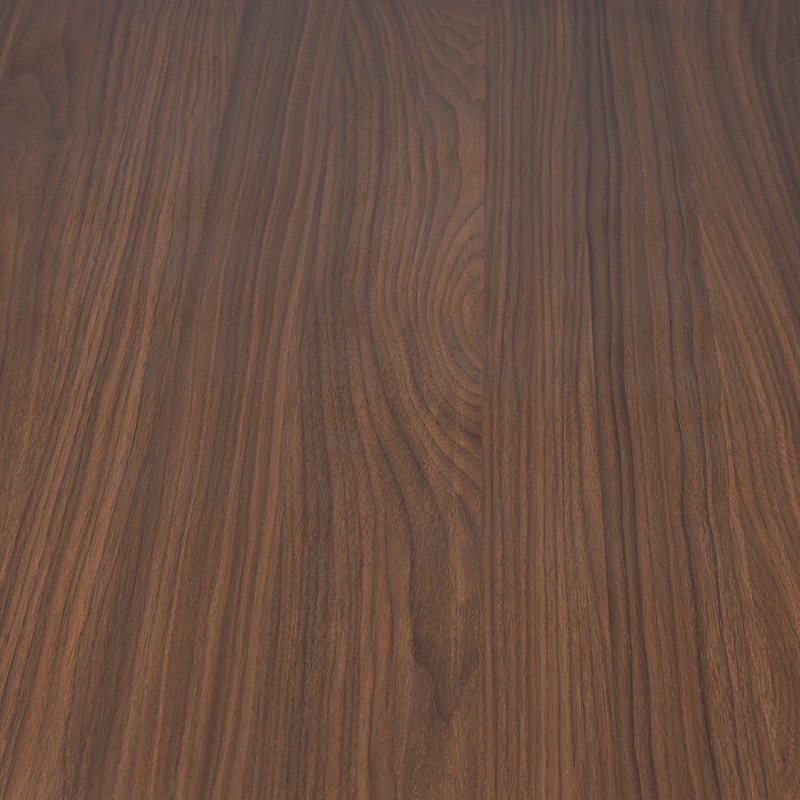
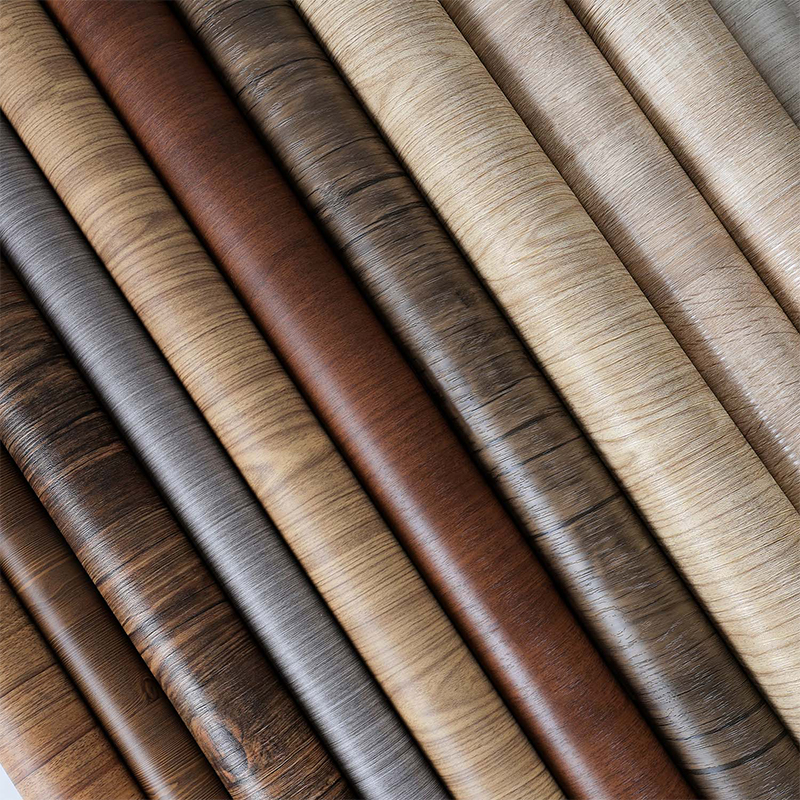
Cabinet doors, wardrobe panels, table tops, and shelving are prime candidates for PVC decorative film lamination. The membrane pressing process vacuum-bonds the film onto shaped MDF components, delivering a smooth, textile-like surface that is far more durable than conventional paint or paper foil. Fabric textures add warmth and a premium tactile quality that elevates mass-produced furniture to a higher perceived value.
Interior Wall Decoration
As an interior wall decoration film, PVC film is installed over wall panels or directly bonded to rigid backing boards to create feature walls, partition cladding, and wainscoting. The fabric-embossed surface introduces texture and depth that flat paint or wallpaper cannot replicate, making it especially popular in hospitality, retail, and high-end residential interiors. Its moisture-resistant properties also make it suitable for bathrooms and kitchens when properly installed.
Upholstery Substrates
In seating and soft furnishing applications, thinner grades of fabric PVC decorative film serve as upholstery substrates — providing a structured backing over foam or padding before the outer fabric layer is applied. The film stabilizes the foam form, prevents compression creep, and adds an additional barrier against moisture migration into the cushion core, extending the life of upholstered pieces in heavy-use environments.
How to Select the Right Fabric PVC Decorative Film
Selecting the correct film for your project requires evaluating several factors beyond just color and texture. Consider the following criteria before placing an order:
- Thickness vs. Application: For flat-surface lamination on panels, a thickness of 0.15–0.25 mm offers sufficient coverage with minimal adhesive consumption. For edge banding or profile wrapping on furniture, opt for 0.3–0.5 mm to ensure conformability and edge durability.
- Width Selection: Match the roll width to your most common panel or wall section width to minimize waste. Standard 1220 mm rolls align well with common board dimensions, while 1420 mm wide rolls suit wider wall cladding panels.
- Surface Finish: Matte finishes conceal fingerprints better and are preferred for residential furniture; semi-gloss or textured finishes can enhance the visual depth of interior wall decoration film in commercial settings.
- Environmental Ratings: For projects in humid environments or those requiring VOC compliance certification, verify that the PVC decorative film meets applicable indoor air quality standards such as REACH or RoHS directives.
Installation Guidelines for Best Results
Proper installation is essential to maximize the performance and appearance of PVC decorative film. Whether you are laminating panels in a factory setting or applying interior wall decoration film on-site, following these best practices ensures a clean, lasting bond:
- Surface Preparation: Substrates must be clean, dry, and free of dust, grease, or old adhesive residue. Sanding MDF or wood surfaces to 180-grit smoothness before lamination improves adhesion consistency and prevents air pockets.
- Adhesive Choice: Use a contact adhesive or hot-melt glue formulated for PVC films. For membrane pressing, ensure the press temperature and dwell time match the film manufacturer's specifications — typically 100–120°C for 30–60 seconds.
- Edge Sealing: After trimming the film to size, seal all cut edges with a compatible edge sealant or matching PVC edge band to prevent moisture ingress and delamination over time.
- Acclimation: Allow film rolls to acclimatize at room temperature (18–25°C) for at least 24 hours before use, particularly in cold storage or after long-distance shipping, to restore natural flexibility and prevent installation cracking.
When these steps are followed, fabric PVC decorative film delivers a consistent, high-quality finish that holds up reliably across years of regular use — making it one of the most dependable surface solutions available for modern interior applications.
Recommended Articles
-
1.1 What is PP Decorative Film? PP decorative film is a type of surface material made primarily from polypropylene, a versatile and widely used thermoplastic po...
View More -
Is your furniture looking tired, outdated, or damaged? Imagine transforming it effortlessly into something stunning, durable, and uniquely yours. Enter PVC deco...
View More -
1.Introduction Edge banding is a crucial finishing process used in woodworking and furniture manufacturing to cover and seal the exposed sides of materials such...
View More
Xuanyi

Feel free to contact us
Xuanyi, dedicated to the application and research and development of new materials. Furniture Decorative Film Maufacturers and Factory.
Product Fast Links
Contact Information
-
 Room G, 4th Floor, Bailingshi Building, Haizhou Street, Haining City, Jiaxing City, Zhejiang Province, 314400, China
-
 [email protected]
-
 +86-15059290610
-
 +86-15059290610
Copyright © 2024Jiaxing Xuanyi International Trade Co.,Ltd All Rights Reserved. PVC/PP/PET Lamination Film for MDF WPC Plywood

