
 English
 Español
 عربى
عربى
 Home / Blog / Industry News / The Complete Hotel Renovation Guide: Cost Benchmarks, Materials, Timelines & ROI
Industry News
The Complete Hotel Renovation Guide: Cost Benchmarks, Materials, Timelines & ROI
2026-09-14
The lobby carpet has lost its pile, the casegoods in Room 412 show scuff marks no polish can hide, and your guest satisfaction score has dropped for six straight quarters. Two renovated competitors within two miles are absorbing your repeat corporate accounts. Hotel renovation decisions rarely begin with a creative vision — they begin with operational symptoms.
The conclusion first
A successful hotel renovation is defined not by scope size but by how precisely the work targets the surfaces guests judge, how quickly each phase returns to revenue-generating use, and how well materials balance first cost against a 10–15 year service life. Industry benchmarks range from $12,000 per room for budget properties to $50,000 or more for mid-scale and upscale segments.
Content
- 1 Renovation vs. Remodel: The Distinction That Drives Budgets
- 2 Surface Material Comparison for Hotel Renovation
- 3 What Guests Notice First After a Renovation
- 4 How Hotel Renovation Budgets Are Allocated
- 5 Hotel Renovation Planning: A Five-Step Selection Guide
- 6 Maintenance and Compliance: Protecting the Renovation Investment
Renovation vs. Remodel: The Distinction That Drives Budgets
A renovation refreshes the surfaces and finishes guests interact with daily — flooring, wall coverings, doors, casegoods, and soft goods. A remodel changes the building's layout, structure, or core systems. The difference matters because renovation projects typically proceed floor-by-floor with minimal room closures, while remodels can take suites out of inventory for months.
Three principles behind a smart renovation program
1. Respect the replacement cycle
Soft goods (carpet, upholstery, curtains) follow a 5 to 7-year cycle. Hard surfaces such as wall panels, door foils, and laminate casegoods are designed for 10 to 15 years. A property renovated every eight years is not behind schedule; it is standard practice.
2. Let guest feedback rank priorities
If 30% of recent reviews mention dated rooms, surface renewal belongs at the top of the schedule. If complaints center on noise or HVAC, a fresh coat of paint will not fix revenue decline.
3. Match material durability to usage intensity
At 75% annual occupancy, a single guest room surface absorbs about 270 room-nights per year. Over a decade, that is more than 2,700 guest-nights touching the same door panel, wardrobe, and desk. Material selection must survive that contact.
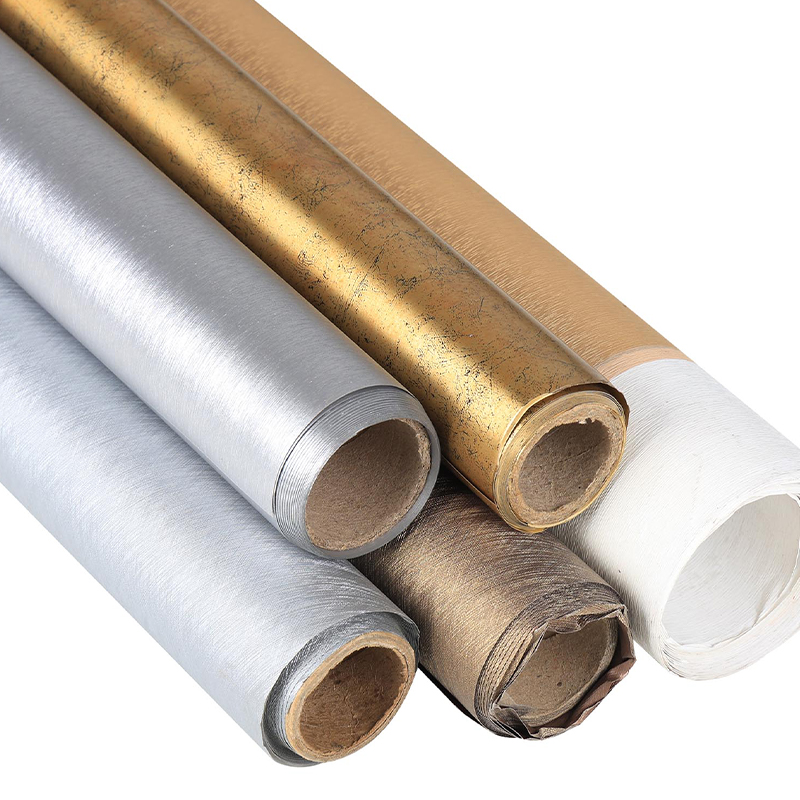
Corridors are where renovation downtime hurts most — closing rooms for sanding, painting, and laminate installation removes revenue with no compensation. Permanent self-adhesive interior films that bond directly to existing panels and doors let renovation teams refresh a corridor without taking rooms offline.
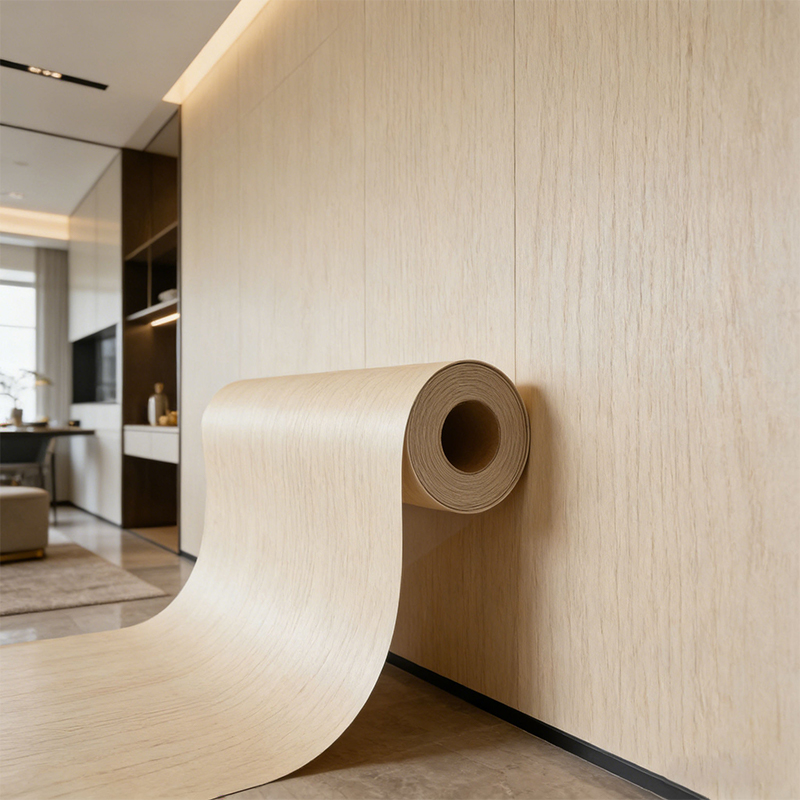 Self-Adhesive Light Oak Wood Grain Decorative FilmThis peel-and-stick film refreshes corridor panels and doors without removing rooms from service, offering a durable, water-resistant light oak finish that resists fading and simplifies renovation logistics.View Product →
Surface Material Comparison for Hotel Renovation
The choice of wall and casegood surfacing material affects first cost, installation time, design flexibility, and the year you will renovate again. The ranges below reflect typical commercial trade pricing and installation assumptions.
Material
Cost / sq. ft.
Lifespan
Downtime per room
Design options
Maintenance
Paint
$2 – $5
3 – 5 years
1 – 2 days
Low — flat or satin
Easy; frequent touch-up
Wallpaper
$4 – $10
5 – 7 years
2 – 4 days
Medium — patterns, textures
Moderate; seams can lift
Wood veneer
$15 – $30
10 – 15 years
5 – 7 days
Low — grain direction only
High; periodic refinishing
Decorative film (PVC / PP / PET)
$3 – $8
8 – 12 years
1 – 2 days
Very high — wood, stone, metal, fabric, solid
Low; wipe-clean surface
Self-adhesive film (permanent)
$5 – $12
5 – 10 years
Same day — no VOCs
High — wood, marble, solid
Low; replaceable layer
Ranges are indicative for commercial-grade materials in the U.S. market as of 2026; final pricing varies by region, substrate condition, and labor rates.
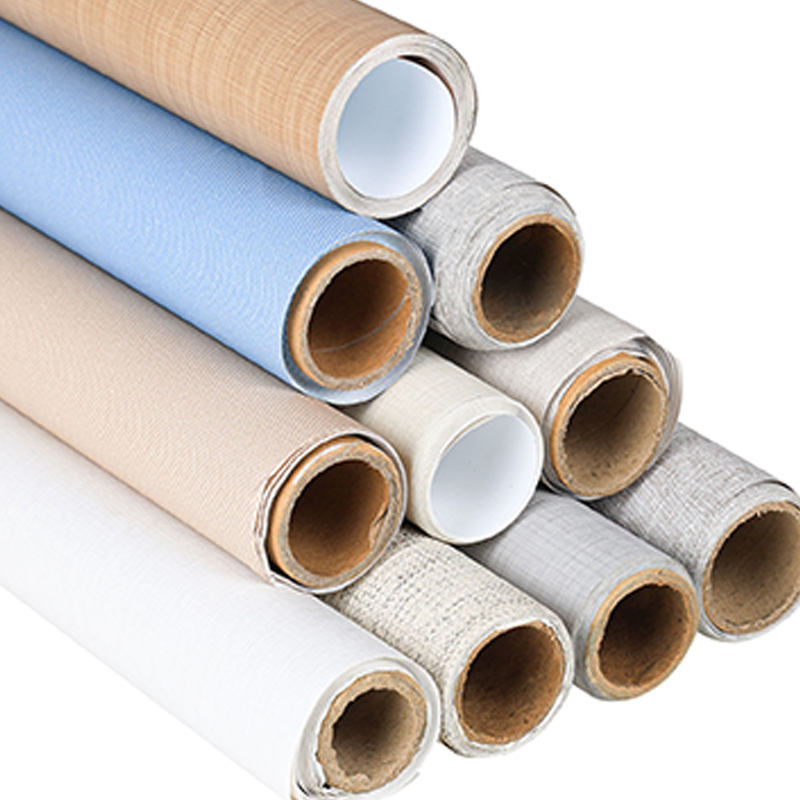
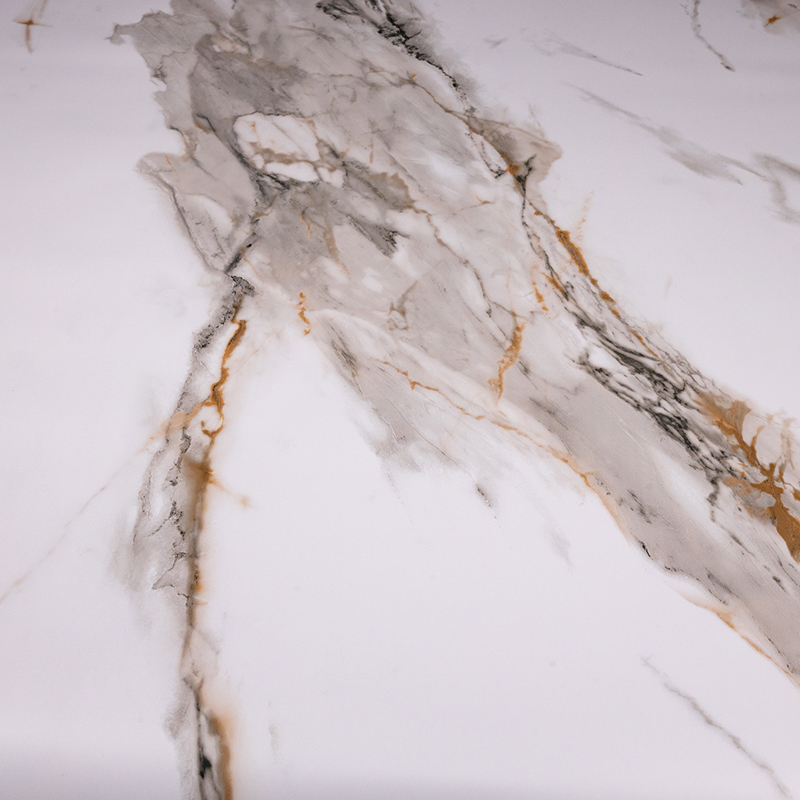
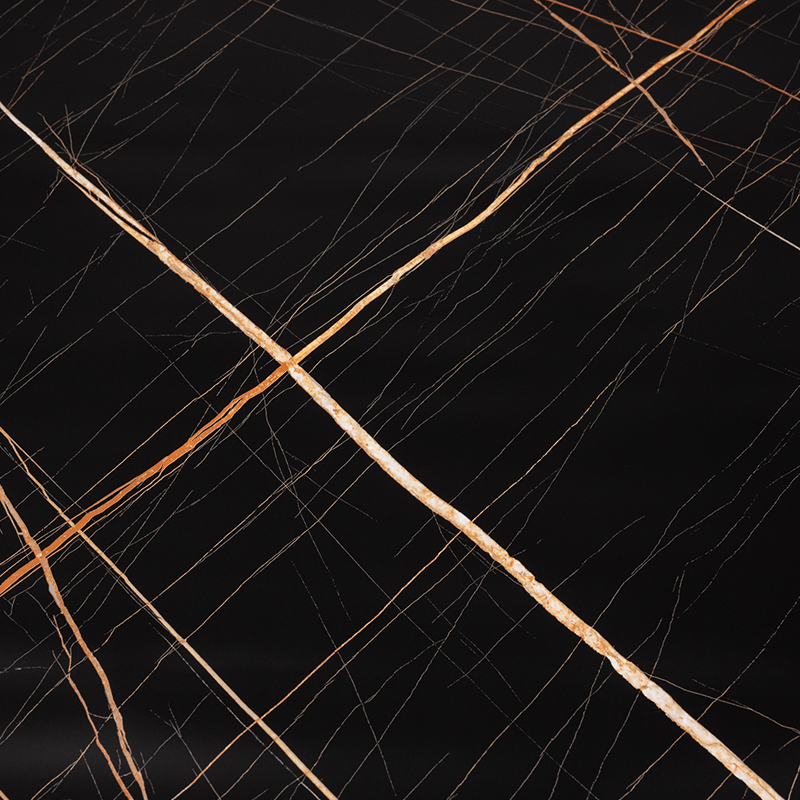
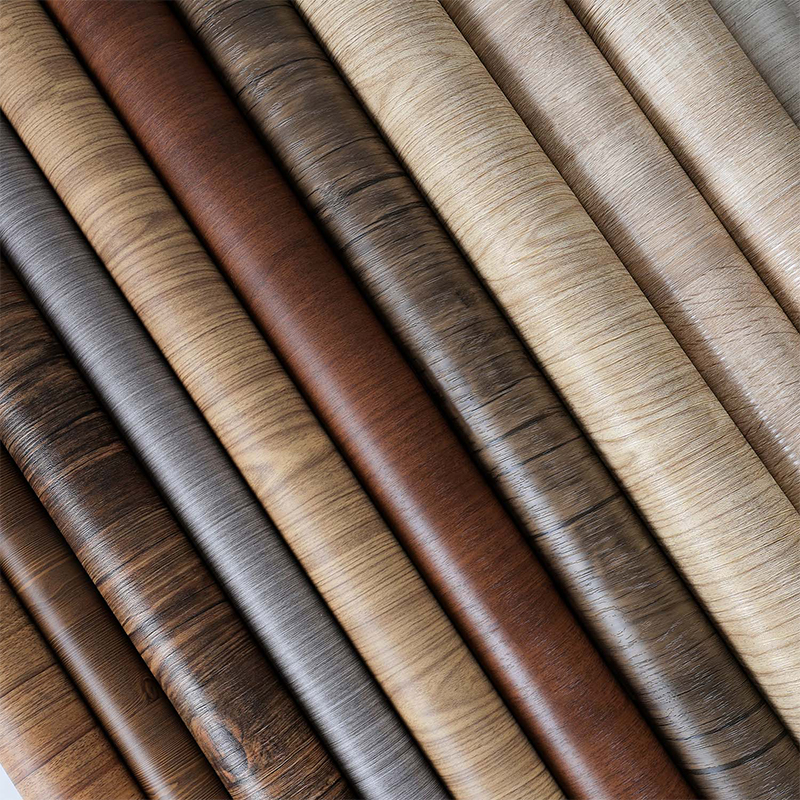
Decorative films have become a mainstream hotel renovation choice because they combine low cost, short installation windows, and broad design variety. Unlike paint or wallpaper, film-wrapped panels resist luggage scuffs and housekeeping cart impact. For headboards, desk fronts, and joinery, a water-based skin-feel PVC film provides a soft-touch finish that guests perceive as premium at a fraction of the cost of lacquered wood.
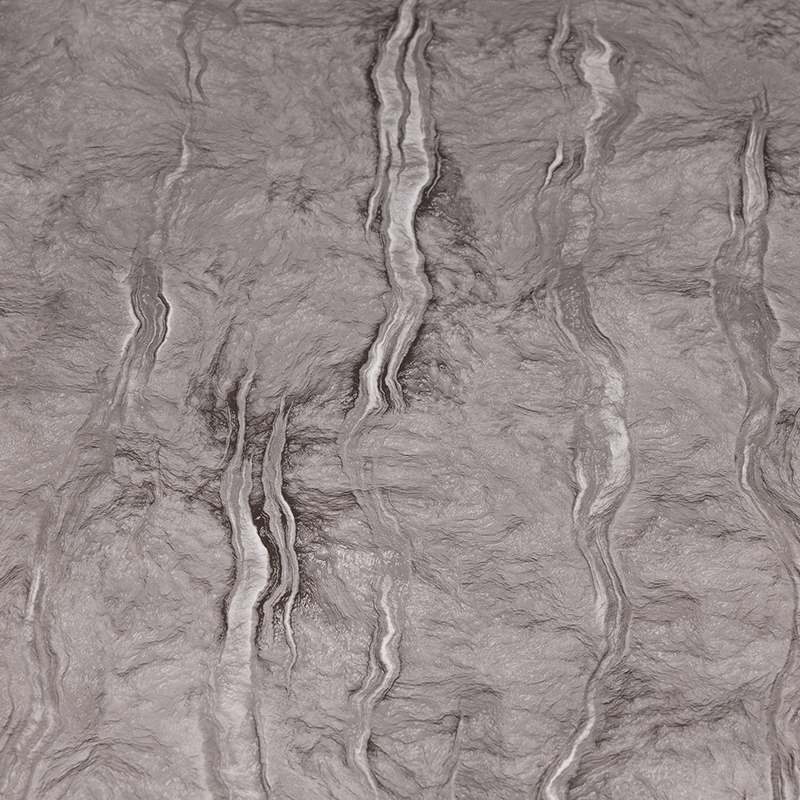
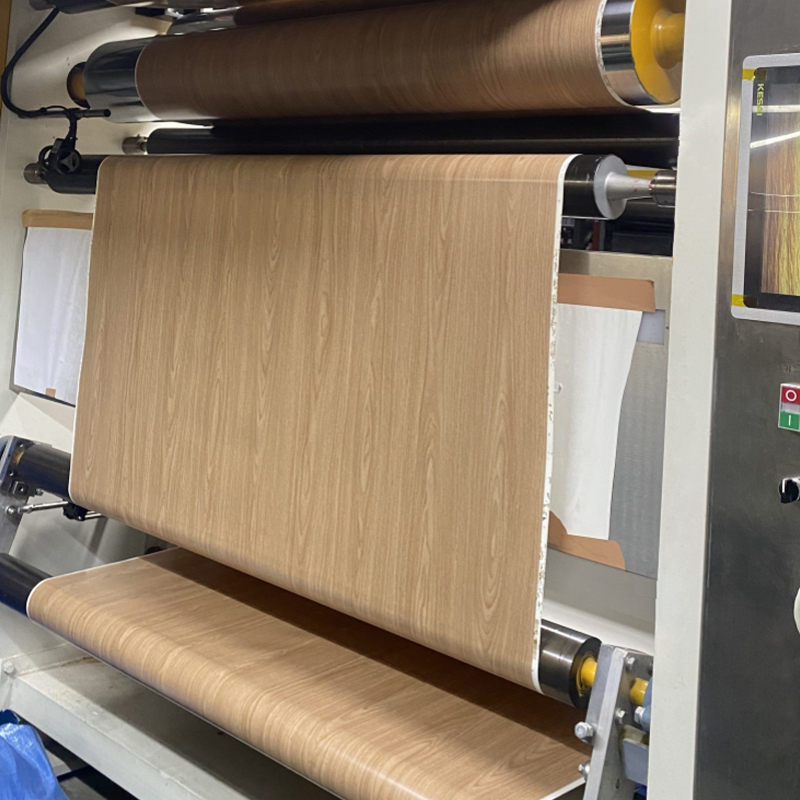 Super Matte Soft Touch PVC Decorative FilmA water-based PVC film with a skin-like matte texture that adds a premium soft-touch feel to headboards, fronts, and joinery, resisting fingerprints and scuffs while costing far less than lacquered wood.View Product →
What Guests Notice First After a Renovation
Post-renovation guest surveys and online review analysis consistently rank surface condition ahead of added amenities. The following distribution represents the share of guests who identified a specific renovation area as the most visible improvement.
38%
Guest room walls & casegoods
26%
Bathroom surfaces
18%
Lobby & entrance
11%
Corridors
7%
Exterior facade
Illustrative distribution based on post-renovation survey patterns reported by hospitality design consultancies.
How Hotel Renovation Budgets Are Allocated
Budget distribution varies by property type and renovation scope, but the following breakdown reflects typical mid-scale and upscale hotel renovation programs.
- Guest rooms — 40%: wall surfaces, casegoods, doors, soft goods
- Bathrooms — 20%: vanities, mirrors, waterproof panels
- Lobby & public areas — 20%: feature walls, reception desks, seating
- Corridors — 10%: door skins, wall protection, carpet
- Exterior — 10%: facade cladding, entrance canopies
Hotel Renovation Planning: A Five-Step Selection Guide
A structured selection process prevents the two most common renovation failures: overspending on areas guests don't notice, and specifying materials that fail prematurely under hospitality-level use.
Step 1 — Audit
Document wear levels on every guest-facing surface and rank them by a visible-wear score.
Step 2 — Budget
Set per-room cost targets and reserve 10–15% for unforeseen substrate repairs.
Step 3 — Prioritize
Sequence work by guest impact and revenue risk, starting with areas guests enter first.
Step 4 — Select materials
Match surfacing materials to usage intensity, design language, and housekeeping capability.
Step 5 — Phase & verify
Plan floor-by-floor execution, inspect wrapped panels before installation, and keep samples on file.
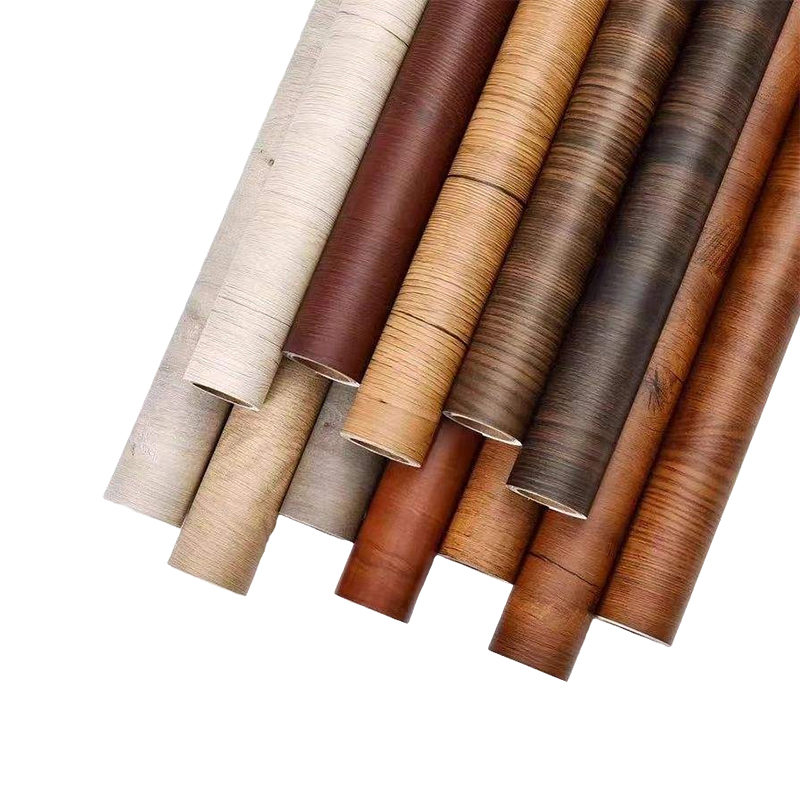
For properties considering vinyl-wrapped doors or casegoods, the financial case is well documented: PVC foil technology delivers a durable, high-design finish at roughly half the installed cost of painted or laminated alternatives, with shorter installation windows that bring rooms back into inventory sooner. Read a detailed cost and ROI breakdown of PVC foil-wrapped doors before finalizing the specification. Hotel owners who prefer a recyclable, low-VOC option for cabinet and wardrobe faces often turn to PET-based wood-grain films, which provide the same wrap-grade performance with a more environmentally transparent material profile.
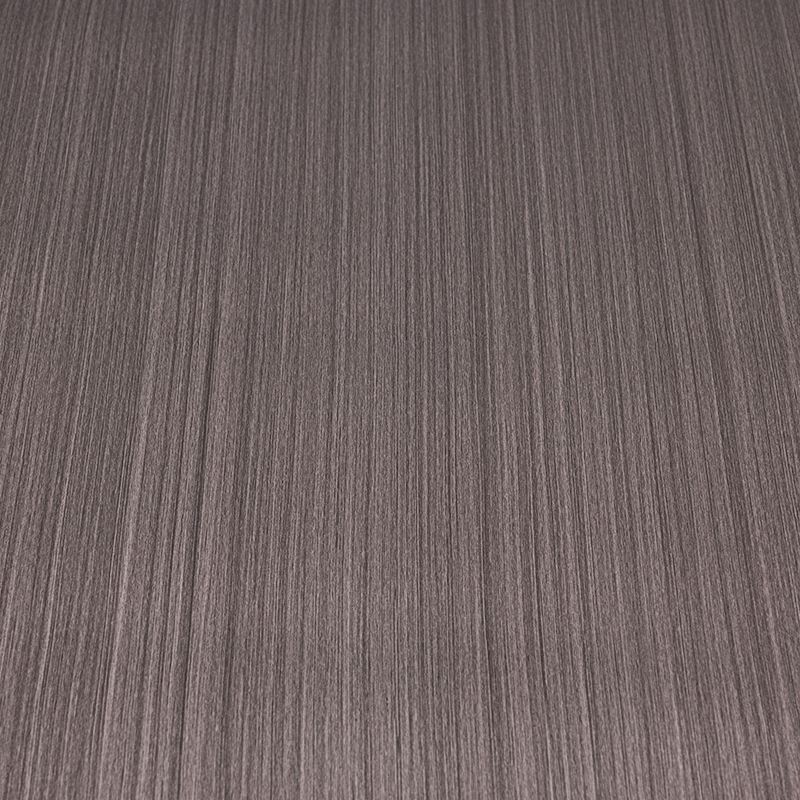
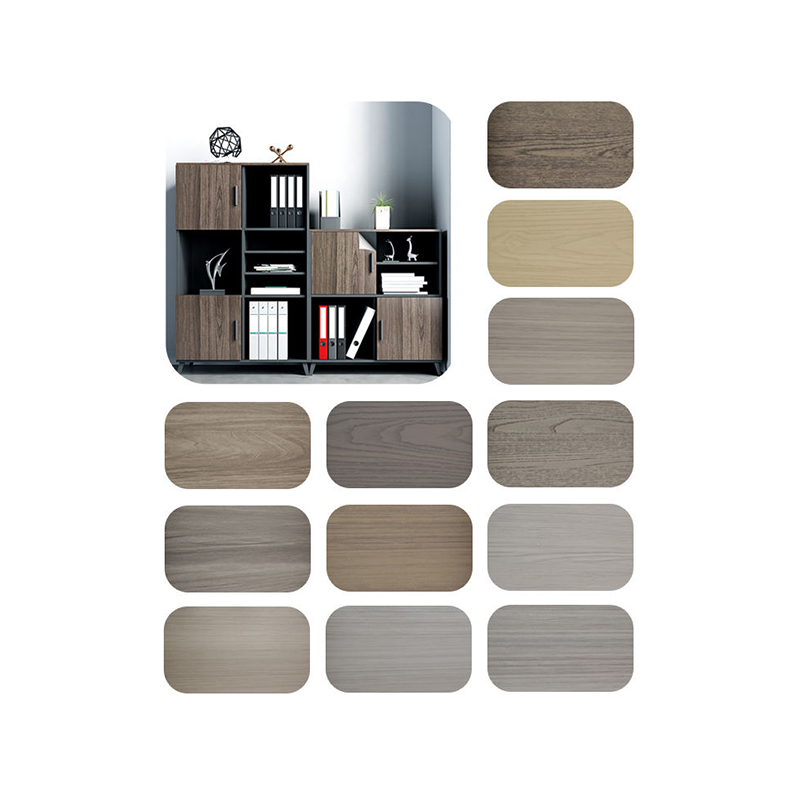 Grey-Tone Wood Grain PET Film for CabinetsA recyclable, low-VOC PET film in muted grey oak tones for cabinet and wardrobe faces, delivering clear grain definition and a modern aesthetic for furniture manufacturers targeting grey-design trends.View Product →
Maintenance and Compliance: Protecting the Renovation Investment
Cleaning and upkeep
- Use pH-neutral cleaners; avoid abrasive pads, bleach, and solvent-based degreasers on film-wrapped surfaces.
- Check the manufacturer's chemical resistance data before introducing industrial-grade disinfectants, especially on PET film surfaces.
- A wipe-clean panel finish can reduce housekeeping time per room by an estimated 2–3 minutes, which compounds into real labor savings across a 200-room property.
Compliance and certification
- Verify that wall and ceiling surfacing materials meet ASTM E84 Class A or B flame spread requirements before specifying.
- For renovation projects targeting green building certification, low-VOC PP and PET films are increasingly specified over conventional high-VOC coatings.
- Operators who track embodied carbon can review sustainability practices at the decorative film manufacturing level to compare material footprints before purchase.
Lifecycle documentation
- Keep a renovation log with product codes, batch numbers, and installation dates for every room.
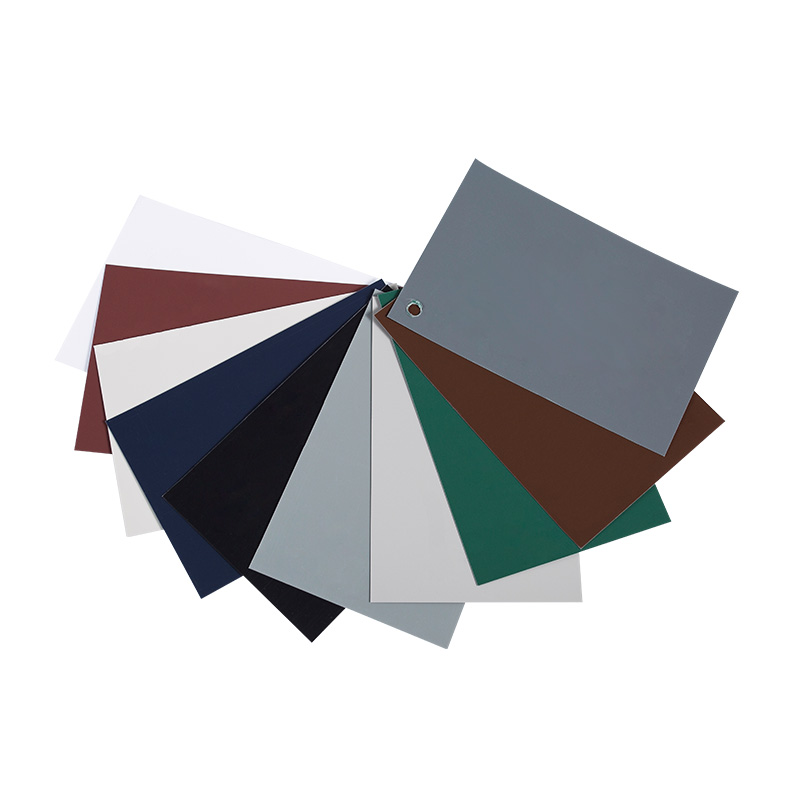
- Save color cards and sample fans from the renovation; they become an exact-match reference for future touch-up or re-panel work.
Recommended Articles
-
1.1 What is PP Decorative Film? PP decorative film is a type of surface material made primarily from polypropylene, a versatile and widely used thermoplastic po...
View More -
Is your furniture looking tired, outdated, or damaged? Imagine transforming it effortlessly into something stunning, durable, and uniquely yours. Enter PVC deco...
View More -
1.Introduction Edge banding is a crucial finishing process used in woodworking and furniture manufacturing to cover and seal the exposed sides of materials such...
View More
Xuanyi

Feel free to contact us
Xuanyi, dedicated to the application and research and development of new materials. Furniture Decorative Film Maufacturers and Factory.
Product Fast Links
Contact Information
-
 Room G, 4th Floor, Bailingshi Building, Haizhou Street, Haining City, Jiaxing City, Zhejiang Province, 314400, China
-
 [email protected]
-
 +86-15059290610
-
 +86-15059290610
Copyright © 2024Jiaxing Xuanyi International Trade Co.,Ltd All Rights Reserved. PVC/PP/PET Lamination Film for MDF WPC Plywood

