
 English
 Español
 عربى
عربى
 Home / Blog / Industry News / Anti-Scratch PP Decorative Film: Properties, Applications & Buying Guide
Industry News
Anti-Scratch PP Decorative Film: Properties, Applications & Buying Guide
2026-05-20
A cabinet door in a busy kitchen gets wiped down dozens of times a week. A wardrobe panel in a child's room faces daily contact with toys, bags, and curious hands. For furniture manufacturers, choosing a surface material that holds up to this kind of wear — without sacrificing aesthetics — is one of the most consequential decisions in the production process. Anti-scratch PP decorative film was engineered precisely for this challenge.
Unlike standard decorative films, the anti-scratch variant combines polypropylene's natural toughness with a purpose-built surface coating that resists visible marking under routine contact. The result is a film that maintains its appearance longer, reduces maintenance demands, and lowers the long-term cost of the finished furniture piece.
Content
What Makes Anti-Scratch PP Decorative Film Different
Polypropylene (PP) is already one of the more durable thermoplastics used in surface materials. It carries high tensile strength, resists moisture, and does not react to most common household chemicals. But standard PP film, while solid in performance, lacks the hardened top layer needed for high-contact furniture surfaces. That is where the anti-scratch variant diverges.
anti-scratch PP decorative film product range achieves its scratch resistance through a specialized coating applied to the surface layer during manufacturing. This coating — typically a UV-cured or hardened polymer formula — creates a surface capable of withstanding pencil hardness ratings significantly above untreated film. The coating bonds tightly to the PP base, so it does not crack, peel, or delaminate under the flex stress that occurs during vacuum pressing or profile wrapping.
One additional advantage worth noting: PP is considered one of the safer and more environmentally responsible plastics in wide use today. According to research into its material lifecycle, polypropylene produces no toxic emissions during manufacturing and is fully recyclable at end of life — a meaningful consideration for manufacturers working under tightening environmental compliance requirements in export markets.
Key Performance Properties You Can Count On
Understanding what anti-scratch PP film actually delivers in practice helps buyers make more accurate comparisons when evaluating suppliers. The following properties are the ones that matter most in furniture and interior panel applications.
- Scratch and abrasion resistance: The hardened surface layer resists micro-scratches from keys, utensils, cleaning tools, and daily contact. This keeps the film looking new in high-use environments long after installation.
- Stain and contamination resistance: The low-porosity surface prevents oils, grease, and pigments from penetrating the film. Most household stains can be removed with a damp cloth and mild detergent without damaging the coating.
- UV resistance and color stability: UV-resistant additives in the film's formulation slow photooxidation — the process responsible for yellowing and fading. Panels in sun-facing rooms or near windows retain their original tone significantly longer than untreated films.
- Moisture and humidity resistance: PP has inherently low water absorption, and the coated surface reinforces this property. The film performs reliably in kitchens and bathrooms where ambient humidity is consistently elevated.
- Chemical resistance: The film resists damage from common cleaning agents, diluted acids, and household solvents, making it suitable for surfaces that need frequent sanitizing.
- Processing compatibility: Anti-scratch PP film is compatible with vacuum press, flat lamination, and profile wrapping processes. It bonds well to MDF, WPC, and plywood substrates without requiring special adhesive systems.
Where Anti-Scratch PP Film Performs Best
The material finds its strongest use cases in furniture and interior panel applications where surfaces face repeated physical contact and regular cleaning cycles.
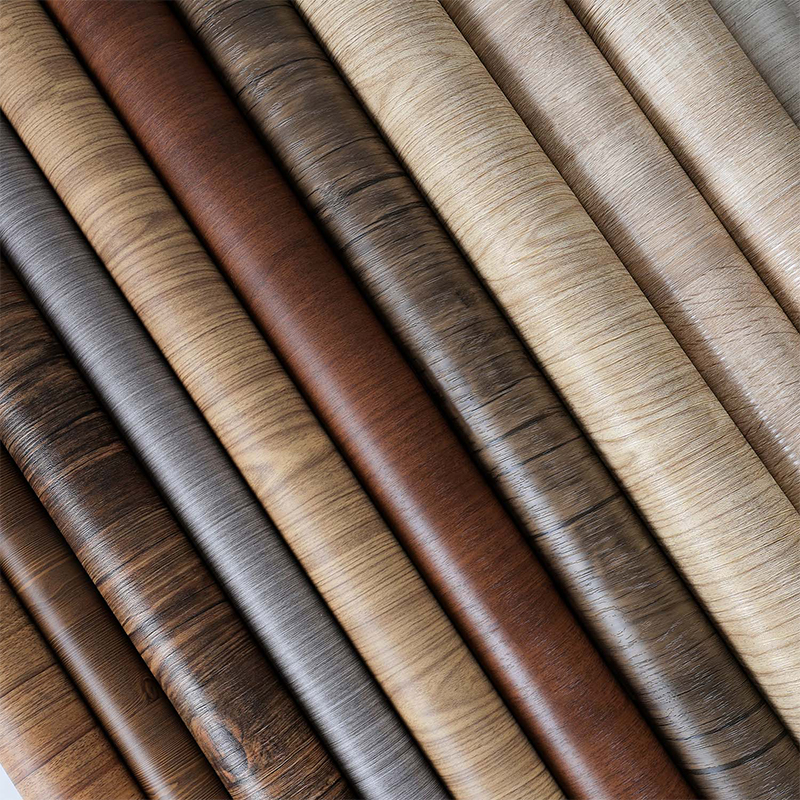
Kitchen cabinet doors represent the most demanding test environment for any decorative film. Grease splatter, moisture exposure, and daily wiping put surfaces under constant stress. Anti-scratch PP film handles this combination well, particularly in matte and soft-touch finishes that are popular in modern kitchen design. Explore the full range of wood grain and solid color PP decorative film for furniture to see the design options available alongside the anti-scratch variants.
Wardrobe panels and bedroom furniture benefit from the film's dimensional stability. Unlike some PVC-based alternatives, PP film does not stretch under heat, which prevents warping or bubbling on large flat panels — a common complaint in warm climates or poorly ventilated storage spaces.
Office desks and workstation surfaces face a different category of wear: paper friction, pen marking, laptop edges, and repeated cleaning with alcohol-based products. The anti-scratch coating provides meaningful protection against all of these without requiring any additional surface treatment after installation.
Children's furniture is another high-priority application. Surfaces in this category need to resist impact marking from toys and hard objects, clean easily after contact with food and art materials, and remain free of harmful substances. PP's non-toxic profile and the film's chemical resistance make it an appropriate choice here.
Interior door panels and membrane doors also see regular use of anti-scratch PP film, particularly in residential and hospitality projects where a long-term clean appearance is part of the design specification. For flooring-grade applications in high-traffic areas, PP flooring film for high-traffic surfaces offers additional thickness and abrasion specifications suited to underfoot wear.
Anti-Scratch PP vs. Standard PP and PVC Films: A Comparison
Buyers evaluating surface materials often compare anti-scratch PP film against both standard PP and conventional PVC film. The table below summarizes the key differences across performance and practical dimensions. For a deeper look at the material-level distinctions, see how PP and PVC decorative films compare in material properties.
| Criteria | Standard PP Film | Anti-Scratch PP Film | Conventional PVC Film |
|---|---|---|---|
| Scratch resistance | Moderate | High (hardened coating) | Moderate to high (varies by grade) |
| UV and color stability | Good | Very good (UV additives) | Good (variable by formulation) |
| Moisture resistance | High | High | High |
| Environmental profile | Recyclable, low toxicity | Recyclable, low toxicity | Less favorable; harder to recycle |
| Dimensional stability (heat) | Good | Good | Lower (stretches under heat) |
| Processing compatibility | Vacuum press, flat lam | Vacuum press, flat lam, profile wrap | Vacuum press, flat lam, profile wrap |
| Cost positioning | Lower | Mid to premium | Low to mid |
The core trade-off is straightforward: anti-scratch PP film costs more per roll than standard PP or basic PVC, but delivers measurably better surface durability. For furniture that will face heavy daily use, the cost difference typically pays back in reduced warranty claims, refinishing costs, and product returns.
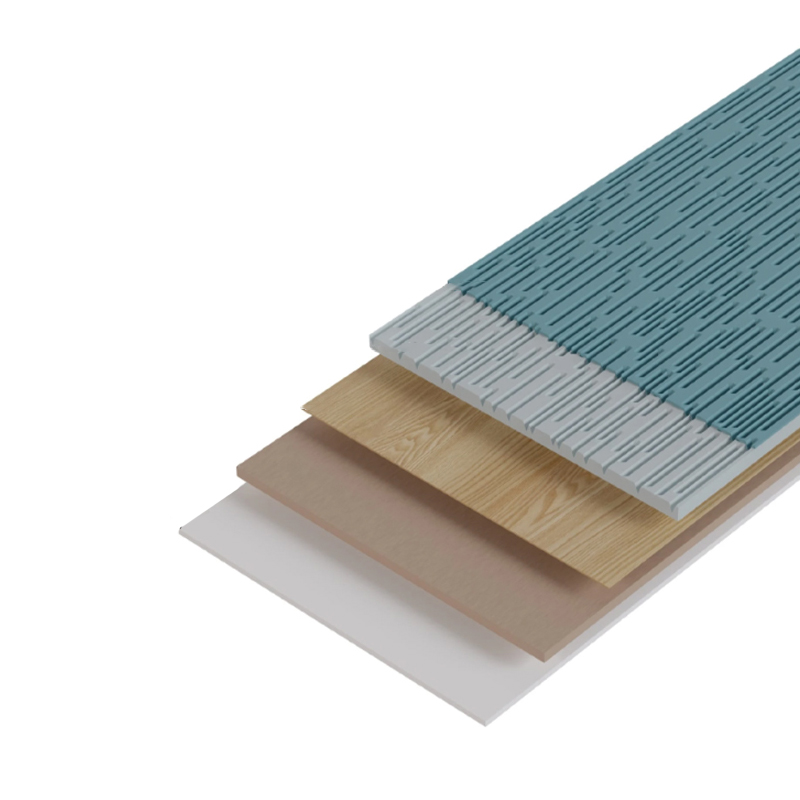
What to Look for When Sourcing Anti-Scratch PP Film
Not all anti-scratch PP films on the market deliver equivalent performance. Several technical and commercial factors separate reliable suppliers from those cutting corners on coating quality or material consistency.
- Surface hardness specification: Ask for the pencil hardness rating of the coating. A quality anti-scratch PP film should rate at 2H or higher under standard test conditions. Suppliers unable to provide this figure may not be testing their product systematically.
- Thickness range and consistency: Typical specifications range from 0.12mm to 0.18mm. More important than the nominal figure is roll-to-roll consistency — deviation in thickness affects lamination pressure settings and adhesion quality in production.
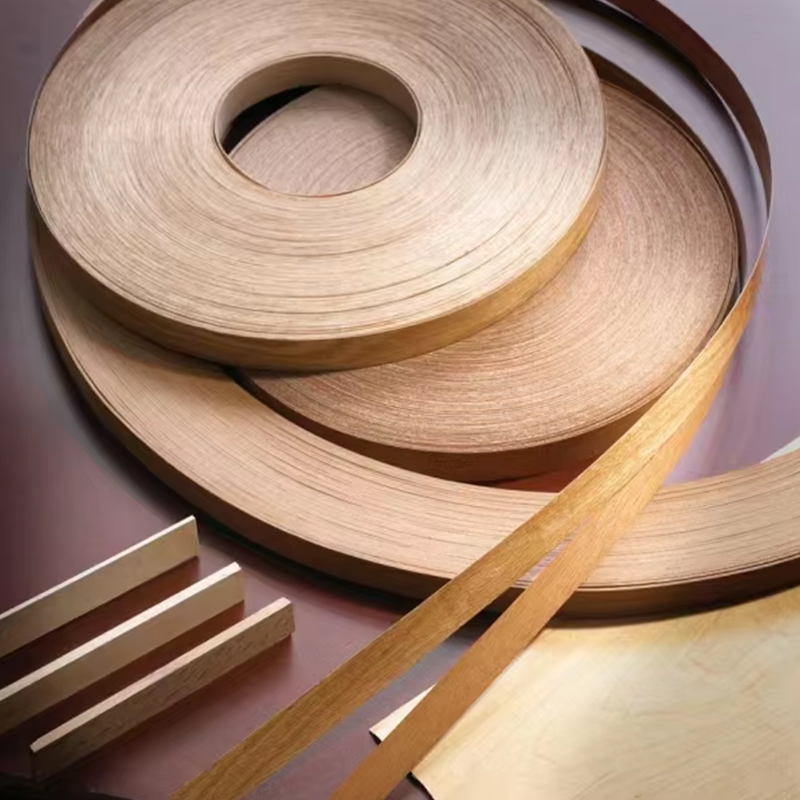
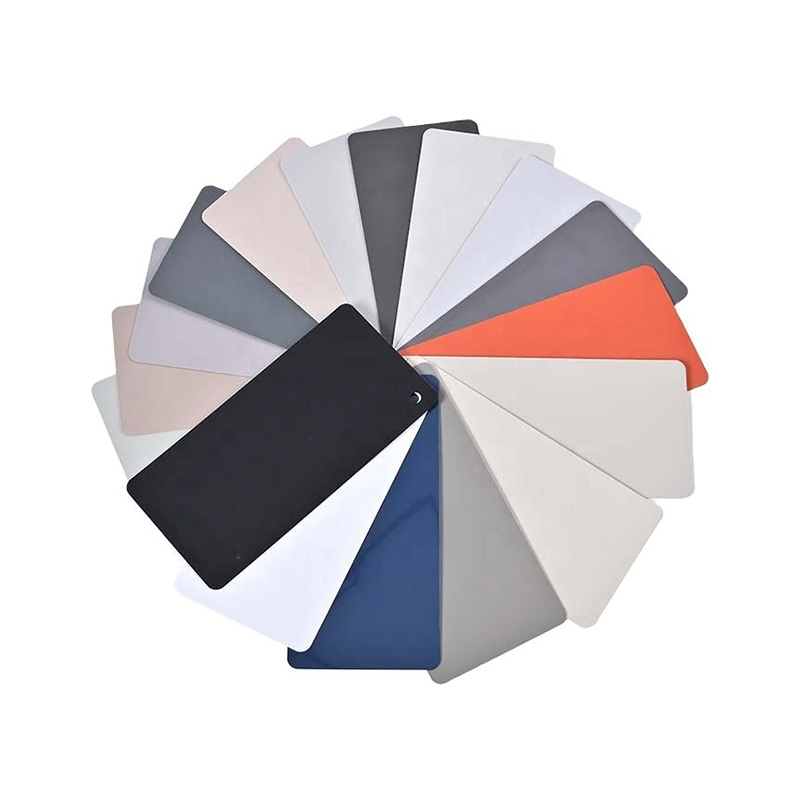
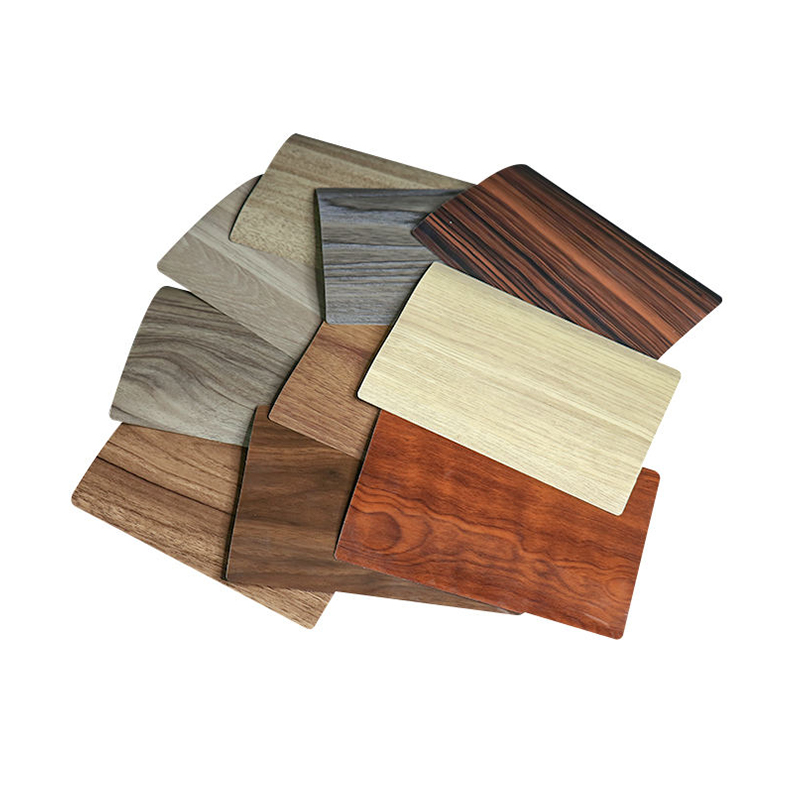
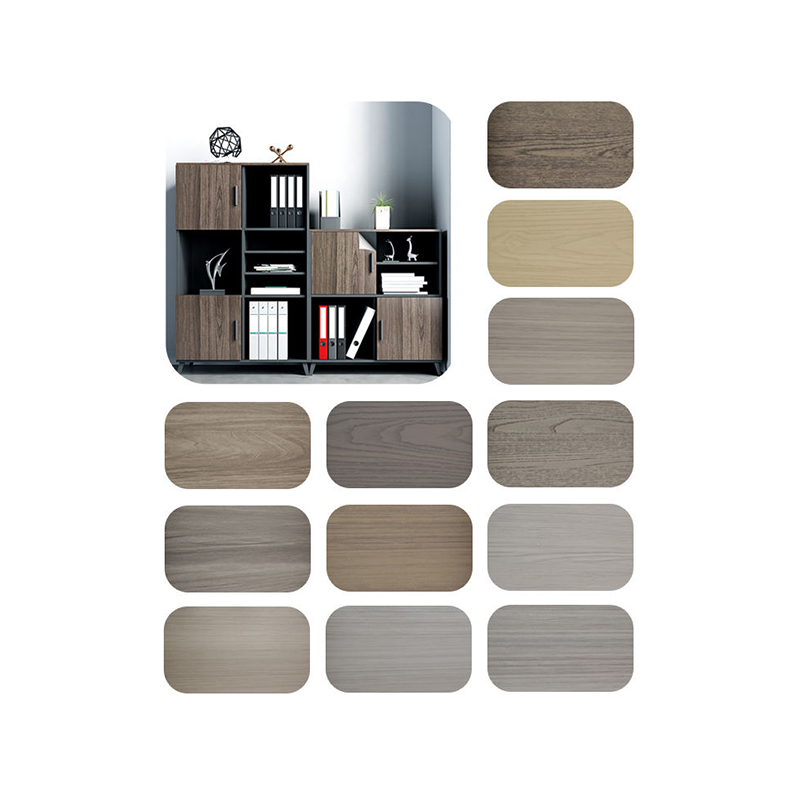
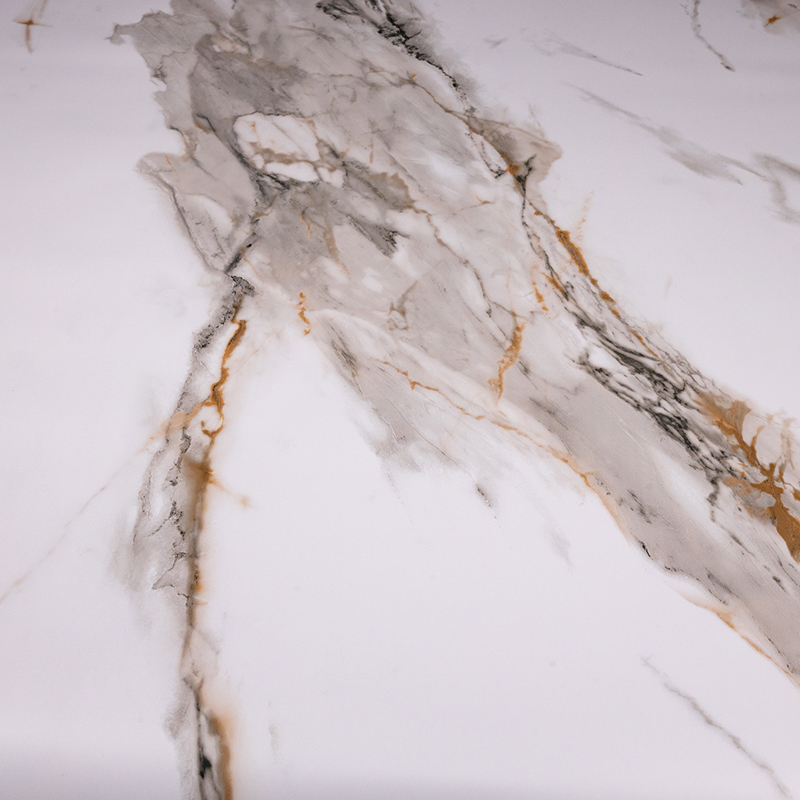
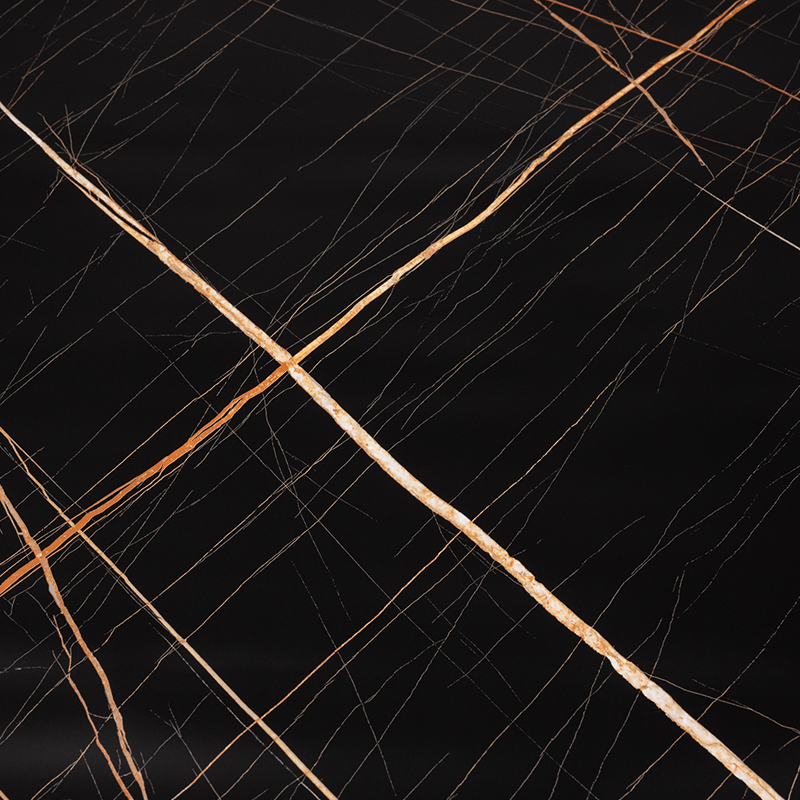
- Design and finish customization: Anti-scratch PP film is available in matte, semi-matte, and high-gloss finishes, and can be produced in solid colors, wood grain, and abstract patterns. Confirm that the supplier's coating process can be applied uniformly across textured or embossed surfaces without degrading the emboss depth.
- Certifications and compliance documentation: For export-oriented furniture manufacturers, ask for relevant environmental and safety certifications. These may include REACH compliance, RoHS documentation, or IKEA ITTC certification depending on the target market.
- Sample testing before bulk commitment: Run adhesion tests, scratch resistance tests, and cleaning agent exposure tests on supplier samples before committing to large orders. Results from these tests should align with what the supplier's technical data sheet specifies.
For a complete overview of available film types across PP, PVC, and PET substrates, the full range of decorative film solutions covers all product categories with detailed specifications.
Frequently Asked Questions
Can anti-scratch PP decorative film be used outdoors?
Anti-scratch PP film with UV-resistant additives can handle limited outdoor-adjacent exposure — covered patios, balcony furniture, or sunlit interiors — but it is not rated for full outdoor use. Prolonged direct sun and extreme temperature cycling can affect adhesion and surface performance over time. For fully outdoor applications, a film specifically engineered for exterior conditions is recommended.
Does the anti-scratch coating affect how the film handles during lamination?
A properly formulated anti-scratch PP film retains the flexibility needed for vacuum pressing and profile wrapping. The coating is applied in a way that does not make the film brittle or prone to cracking at bends. That said, sharper profile radii may require pre-testing to confirm the coating remains intact at the bend point.
How does anti-scratch PP film perform against cleaning agents?
The film resists mild to moderately concentrated household cleaners, including diluted bleach solutions, pH-neutral detergents, and alcohol wipes. Strong solvents such as acetone or toluene should be avoided, as these can degrade the coating. Using a soft cloth rather than abrasive pads extends the useful life of the surface significantly.
What substrate types is anti-scratch PP film compatible with?
Anti-scratch PP film bonds reliably to MDF, WPC (wood-plastic composite), plywood, and particleboard using standard lamination adhesives. Surface preparation — clean, dry, and free of dust or oils — is the most important factor in ensuring long-term adhesion quality regardless of the substrate.
Recommended Articles
-
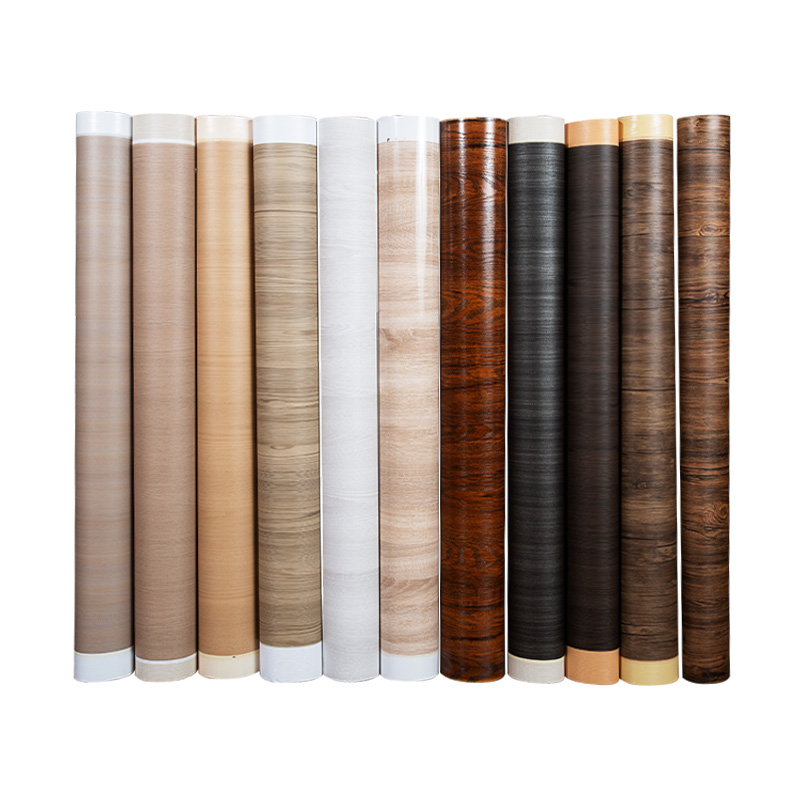
1.1 What is PP Decorative Film? PP decorative film is a type of surface material made primarily from polypropylene, a versatile and widely used thermoplastic po...
View More -
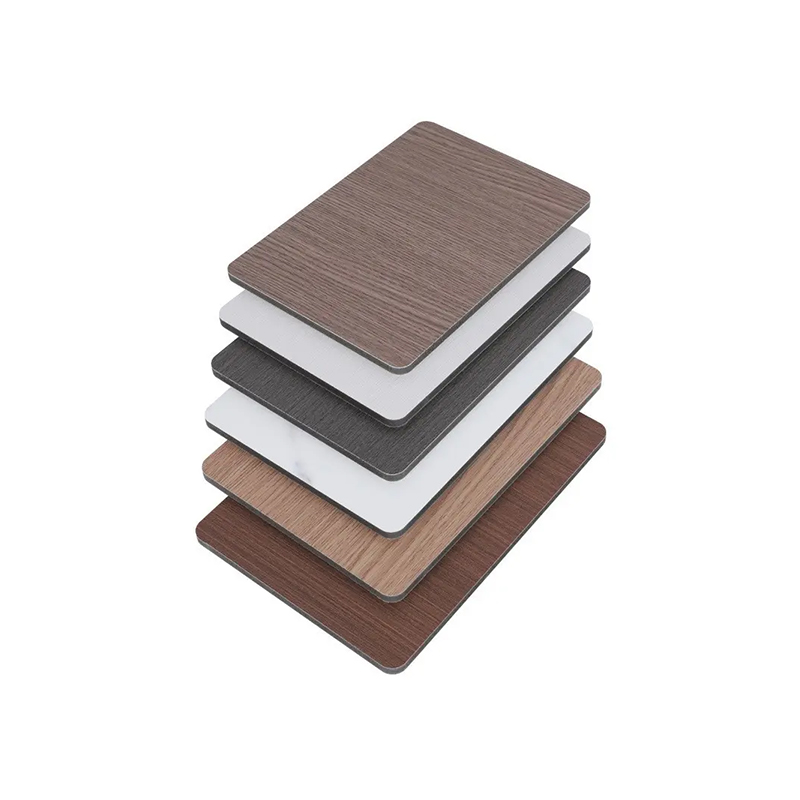
Is your furniture looking tired, outdated, or damaged? Imagine transforming it effortlessly into something stunning, durable, and uniquely yours. Enter PVC deco...
View More -
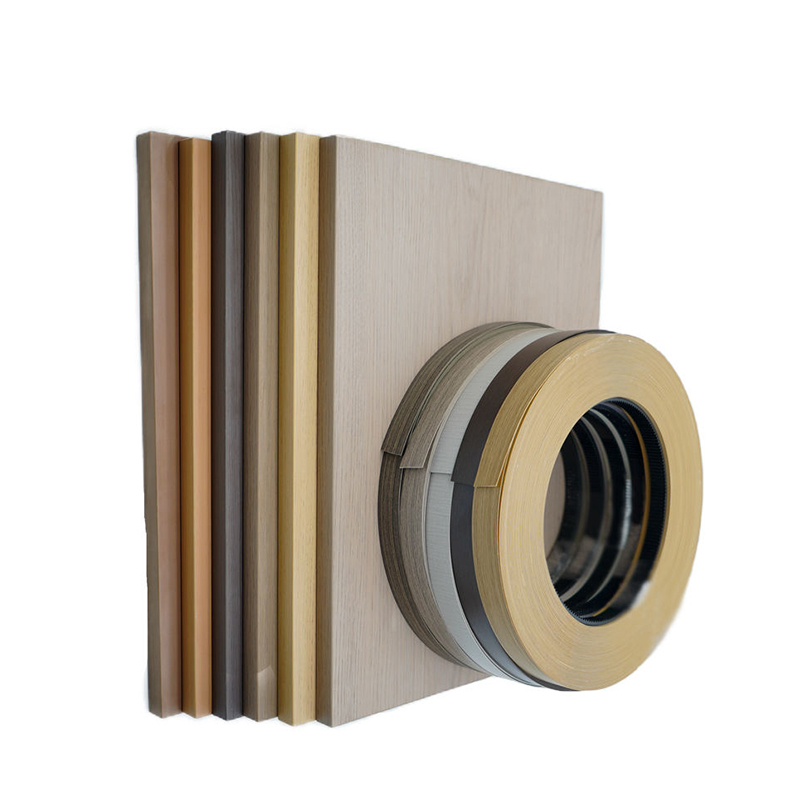
1.Introduction Edge banding is a crucial finishing process used in woodworking and furniture manufacturing to cover and seal the exposed sides of materials such...
View More
Xuanyi

Feel free to contact us
Xuanyi, dedicated to the application and research and development of new materials. Furniture Decorative Film Maufacturers and Factory.
Product Fast Links
Contact Information
-
 Room G, 4th Floor, Bailingshi Building, Haizhou Street, Haining City, Jiaxing City, Zhejiang Province, 314400, China
-
 [email protected]
-
 +86-15059290610
-
 +86-15059290610
Copyright © 2024Jiaxing Xuanyi International Trade Co.,Ltd All Rights Reserved. PVC/PP/PET Lamination Film for MDF WPC Plywood

