
 English
 Español
 عربى
عربى
 Home / Blog / Industry News / Scratch Resistant Decorative Film for Furniture: Types, Uses & How to Choose
Industry News
Scratch Resistant Decorative Film for Furniture: Types, Uses & How to Choose
2026-05-26
Furniture surfaces take a beating. A kitchen cabinet gets opened and closed hundreds of times a week. A school desk faces daily contact with bags, books, and metal fasteners. A hotel room wardrobe is cleaned with commercial disinfectants dozens of times a year. For any manufacturer or procurement manager choosing a surface material for these environments, scratch resistance is not a premium feature — it is a baseline requirement.
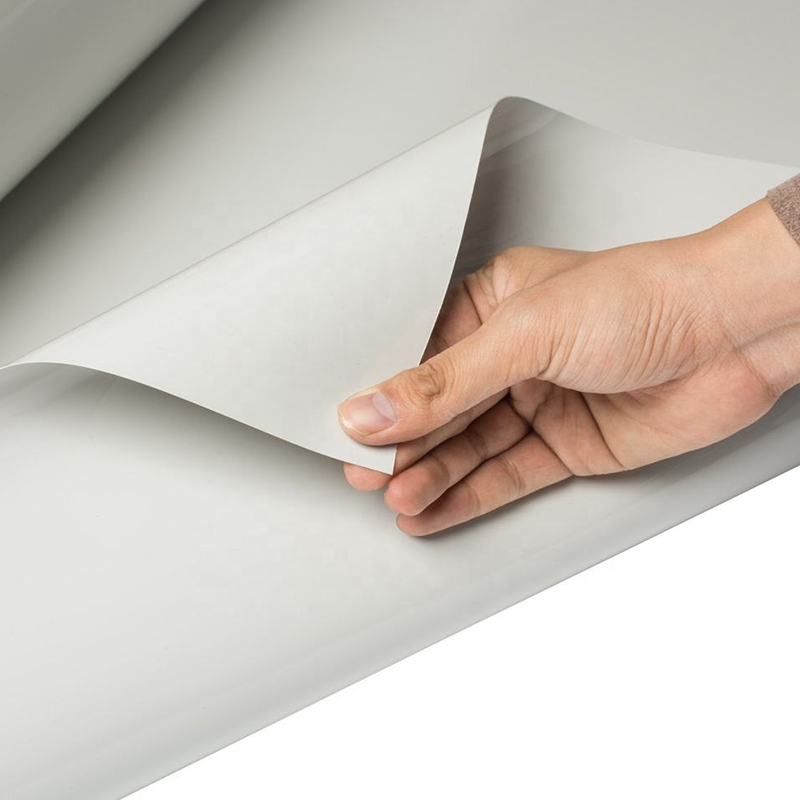
Scratch resistant decorative film addresses this need at the surface level, delivering a hardened, aesthetically finished layer that protects the substrate underneath while giving furniture its final look. The challenge is that not all scratch resistant films are equivalent. Material type, coating method, finish, and processing compatibility all affect how a film performs in real conditions. This guide cuts through the options and helps you match the right film to the right application.
Content
- 1 How Scratch Resistance Is Built Into Decorative Film
- 2 PP, PVC, and PET: Which Material Suits Your Furniture Application
- 3 Matching Scratch Resistant Film to Furniture Type
- 4 Five Technical Checks Before Placing a Bulk Order
- 5 Understanding Finish Options and Their Impact on Perceived Scratch Resistance
- 6 Frequently Asked Questions
How Scratch Resistance Is Built Into Decorative Film
Scratch resistance in decorative film is not a single property — it is the outcome of several design decisions working together. Understanding the mechanism helps buyers evaluate supplier claims more accurately.
The most common approach is a hardened surface coating applied to the top layer of the film. This coating — often UV-cured or chemically cross-linked during manufacturing — raises the surface hardness above that of the base polymer. A standard PP or PVC film may have a surface hardness around H on the pencil hardness scale; a properly coated anti-scratch variant can reach 2H to 4H, which is the range where everyday abrasion from keys, cleaning pads, and contact friction stops leaving visible marks.
A second factor is the base material's inherent toughness. Films made from polypropylene (PP) benefit from the polymer's high tensile strength and resistance to impact, which means the substrate under the coating does not deform easily even when pressure is applied. PET-based films carry excellent dimensional rigidity, which helps the surface coating remain intact under repeated flexing. PVC films rely more heavily on formulation additives for their surface performance.
The third variable is coating adhesion. A hard coating that delaminate from the film under heat or flex stress offers no long-term benefit. Quality anti-scratch films go through adhesion testing to ensure the coating stays bonded through vacuum pressing, profile wrapping, and the temperature cycling that furniture panels experience in storage and use.
PP, PVC, and PET: Which Material Suits Your Furniture Application
The three most widely used base materials for scratch resistant decorative film each carry distinct performance profiles. Choosing the right one depends on the substrate, the processing method, and the end-use environment.
PP (Polypropylene) Decorative Film
PP film is the preferred choice for manufacturers prioritizing both durability and environmental compliance. The base material has strong chemical resistance, low moisture absorption, and good dimensional stability under heat — meaning it holds its shape during vacuum pressing without the stretch deformation that affects some PVC grades. With a scratch-resistant coating added, anti-scratch PP decorative film delivers reliable surface hardness across kitchen cabinets, wardrobe panels, and office furniture. PP is also recyclable and produces no halogen-related emissions, which matters for manufacturers exporting to markets with tight environmental standards.
PVC (Polyvinyl Chloride) Decorative Film
PVC remains the most widely used decorative film material globally, in part because of its processing flexibility and the broad design range it supports. It conforms well to complex profiles and curved surfaces, making it the dominant choice for membrane pressing on shaped cabinet doors. High-grade anti-scratch PVC decorative film with a UV-resistant coating performs well in residential and commercial furniture applications. The trade-off is that PVC has a higher heat expansion coefficient and is more complex to recycle, which is a consideration for sustainability-focused procurement.
PET (Polyethylene Terephthalate) Decorative Film
PET film offers the highest base rigidity of the three materials and very good abrasion resistance without requiring as heavy a coating layer. It is well-suited for high-gloss finishes and applications where the surface needs to retain optical clarity and sharp color reproduction over time. PET decorative film is increasingly specified for premium furniture segments and retail display fixtures where appearance consistency across large panel runs is critical. Its main limitation is that it is stiffer than PVC or PP, which makes it less forgiving on highly curved profiles.
| Property | PP Film | PVC Film | PET Film |
|---|---|---|---|
| Base scratch resistance | Good | Moderate | Very good |
| Coated surface hardness potential | 2H–3H | 1H–2H | 2H–4H |
| Dimensional stability (heat) | Good | Moderate (stretches) | Excellent |
| Profile wrapping suitability | Good | Excellent | Limited (stiff) |
| Environmental / recyclability | Favorable | Less favorable | Good (recyclable) |
| Typical cost positioning | Mid | Low to mid | Mid to high |
Matching Scratch Resistant Film to Furniture Type
The right film depends as much on where the furniture will be used as on what it is made of. Here is how to think about the match across common furniture categories.
Kitchen Cabinets and Bathroom Vanities
These environments combine three challenging conditions: moisture, heat, and frequent cleaning with chemical agents. The film needs strong scratch resistance at the surface, good moisture barrier properties to protect the substrate, and chemical resistance to hold up against disinfectants and degreasers. Anti-scratch PP or high-grade anti-scratch PVC film both work well here. For shaped doors requiring membrane pressing, PVC remains the more flexible option for complex profiles.
Wardrobe Panels and Bedroom Furniture
Large flat panels in bedroom applications demand good surface consistency across wide areas. Temperature fluctuations and contact damage from hangers, bags, and clothing items are the primary wear sources. PP film's dimensional stability makes it particularly well-suited for large flat-lamination panel runs where uniformity matters. For high-gloss finishes in this category, PET film delivers superior optical consistency.
Office Desks and Workstation Surfaces
Office furniture faces persistent low-level abrasion: paper edges, writing instruments, laptop bases, and repeated cleaning with alcohol-based products. A film rated at 2H or higher on the pencil hardness scale handles this category reliably. The coating also needs to resist the chemical exposure from alcohol wipes, which rules out lower-grade PVC formulations that soften under solvent contact.
Children's Furniture and School Environments
The demands here are impact resistance, chemical cleanability, and safety. PP film scores well on all three: it resists marking from hard objects better than uncoated alternatives, wipes clean easily, and carries a favorable safety profile for enclosed indoor environments. Look for films with low-VOC certifications for applications in children's spaces.
Interior Doors and Decorative Panels
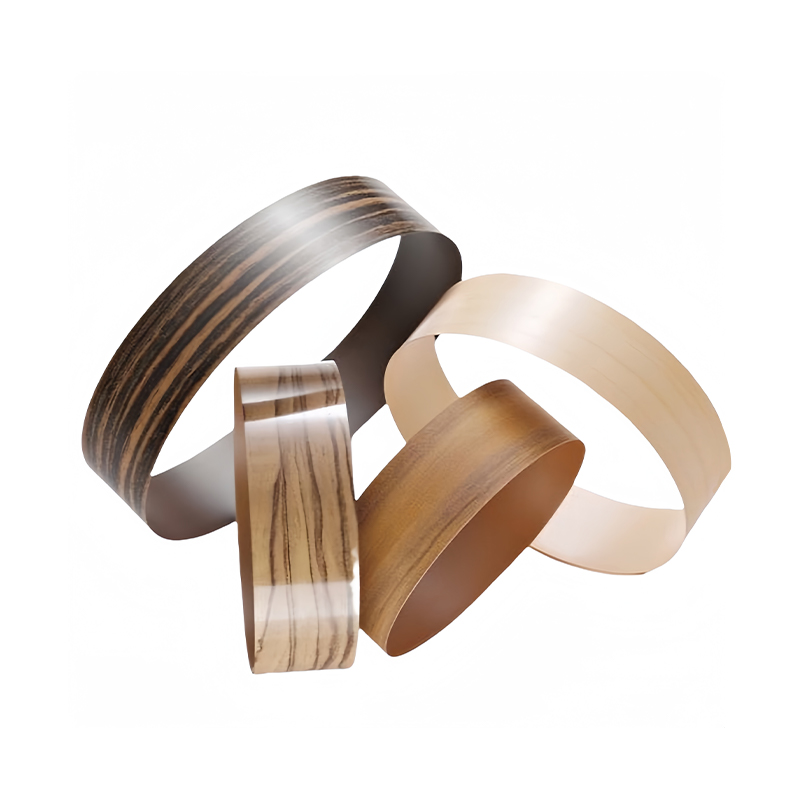
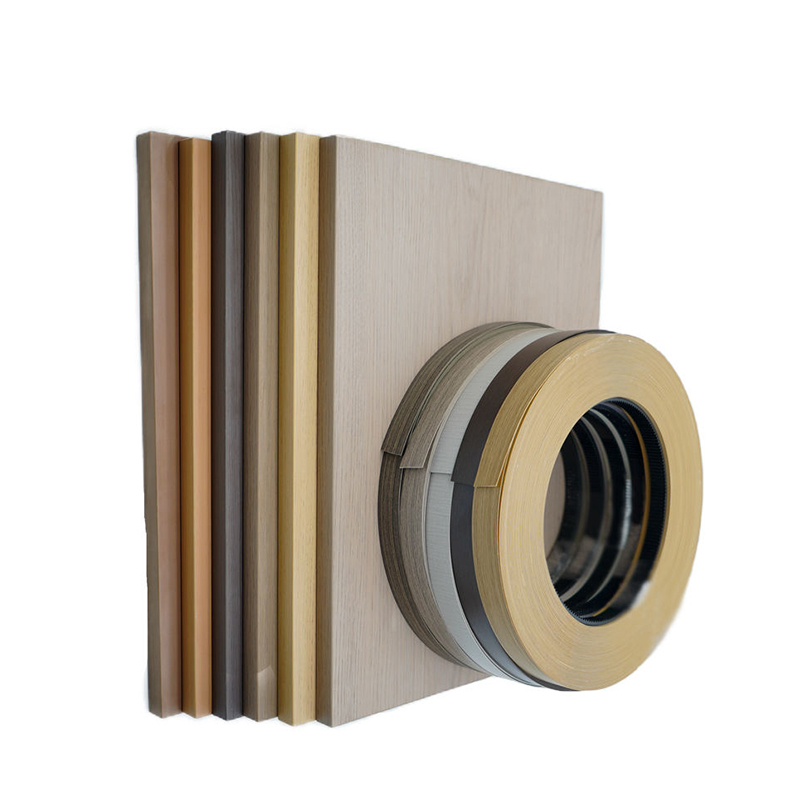
Door panels face a specific type of contact damage: repeated hand contact around handles, impact from door edges, and cleaning cycles. Anti-scratch coating prevents the gradual dulling that occurs on unprotected films in these zones. For profiled door frames requiring wrapping around edges, ensuring the chosen film retains its coating integrity through the wrapping process is the primary technical checkpoint. Coordinating the door panel film with matching edge banding solutions for panel finishing helps maintain a consistent look across the full piece.
Five Technical Checks Before Placing a Bulk Order
Once a material type is selected, the procurement process requires verification at the product level. These five checks reduce the risk of receiving film that does not perform to specification.
- Request the pencil hardness rating. This is the most direct measure of scratch resistance for decorative film. Ask for the specific rating and the test method used. A credible supplier will have this in their product data sheet. Be cautious of responses that reference scratch resistance in general terms without a hardness figure.
- Test adhesion under your processing conditions. Run sample lamination at your standard press temperature and pressure before committing to volume. Check for coating cracking, delamination, or adhesive bleed-through at the edges. Anti-scratch coatings that are too rigid can crack on tight radii during profile wrapping.
- Check chemical resistance against your cleaning protocol. If the furniture will be cleaned with specific agents — bleach solutions, alcohol wipes, or commercial degreasers — expose a sample to these agents for an extended period and check for surface degradation, discoloration, or loss of sheen.
- Verify UV stability with long-term exposure data. For furniture in sun-facing rooms or retail environments, ask for accelerated UV aging test results. These indicate how the film's color and surface coating hold up after extended light exposure — a detail that affects customer satisfaction significantly over a multi-year product lifespan.
- Confirm roll consistency across production batches. Thickness deviation within a roll or between rolls affects lamination quality. Request a specification for allowable thickness tolerance and ask whether the supplier can provide batch certificates confirming compliance. For an overview of available film options and specifications, the complete range of PP, PVC, and PET decorative film products provides detailed product information across all categories.
Understanding Finish Options and Their Impact on Perceived Scratch Resistance
Surface finish affects not just aesthetics but how scratches appear when they do occur — and how quickly the surface shows wear under daily use.
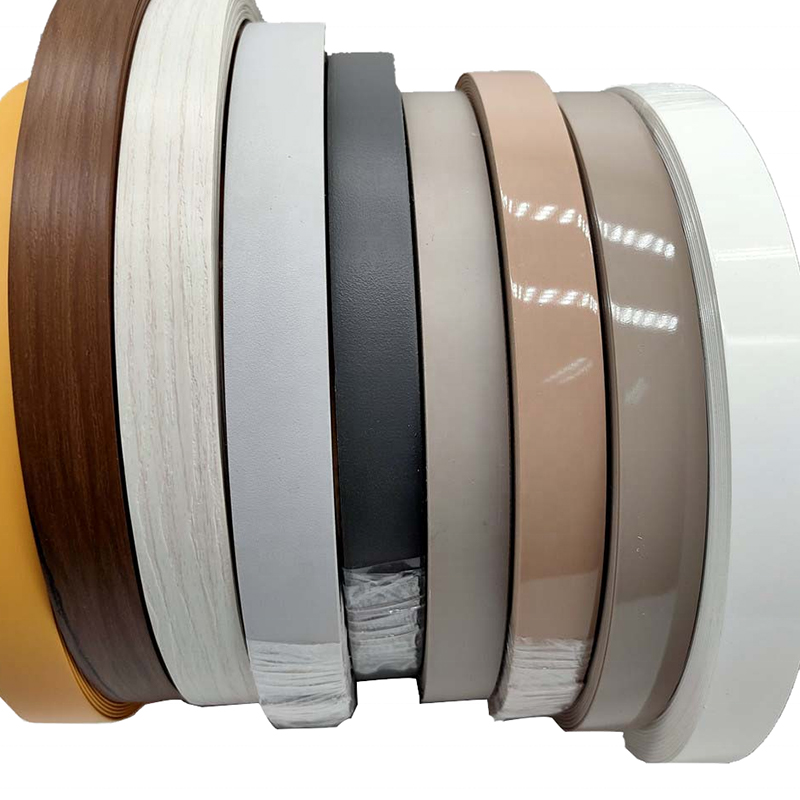
Matte and soft-touch finishes are forgiving on minor surface contact because they diffuse light rather than reflect it. A micro-scratch on a matte surface is far less visible than the same mark on a gloss surface. This makes matte anti-scratch films the practical choice for high-contact furniture surfaces where zero visible marking over time is a priority.
High-gloss finishes amplify every surface mark. They look excellent when new but require a higher-hardness coating to maintain their appearance in use. For gloss applications, specifying a film with a hardness rating of 3H or above, combined with good stain resistance, gives the surface a fighting chance against daily contact. See the available options across the material-level differences between PP and PVC decorative film to understand how finish options map to each material type.
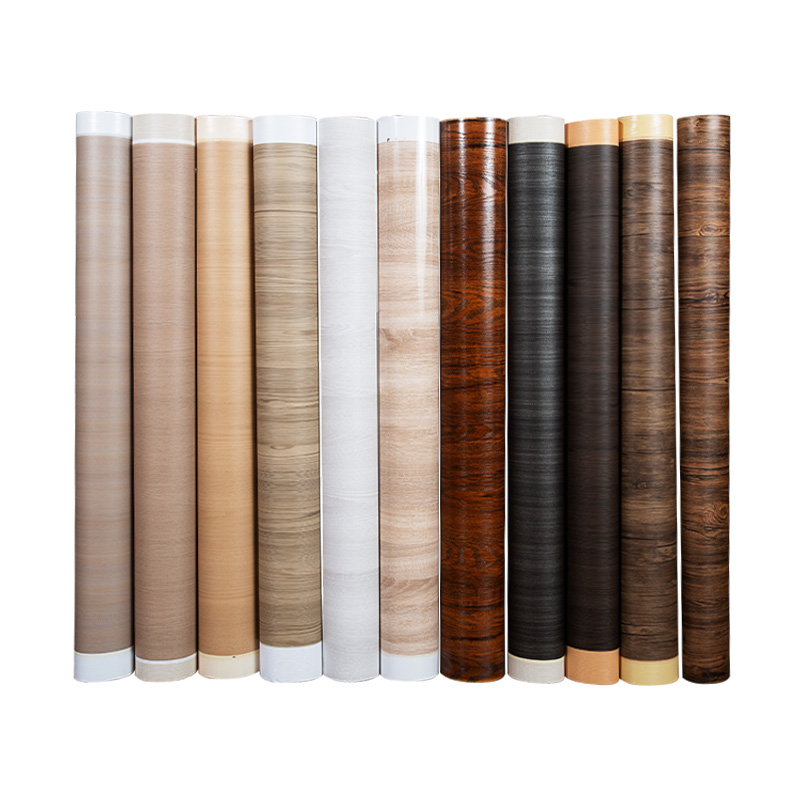
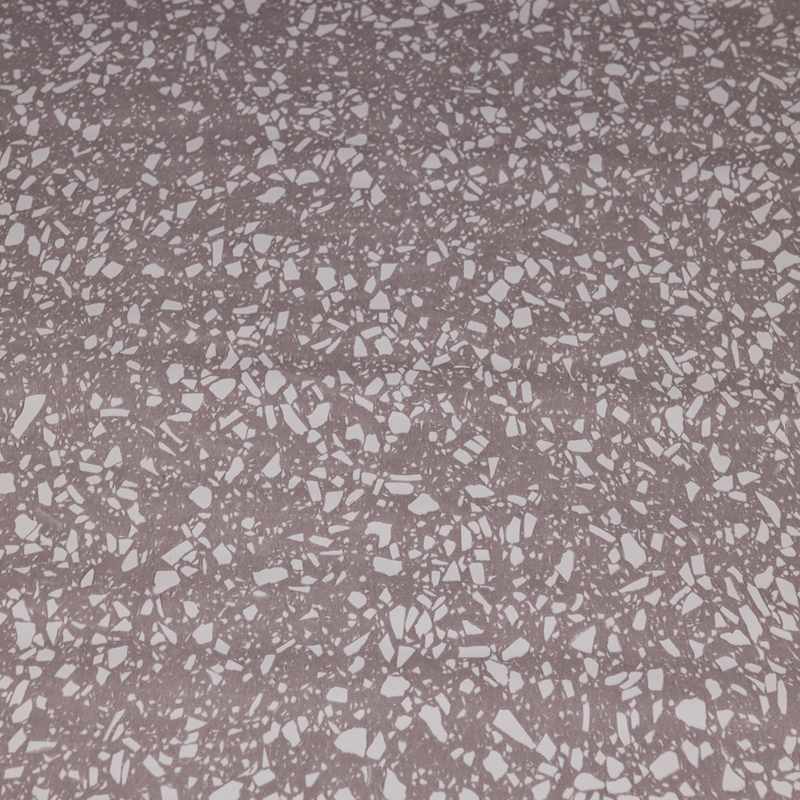
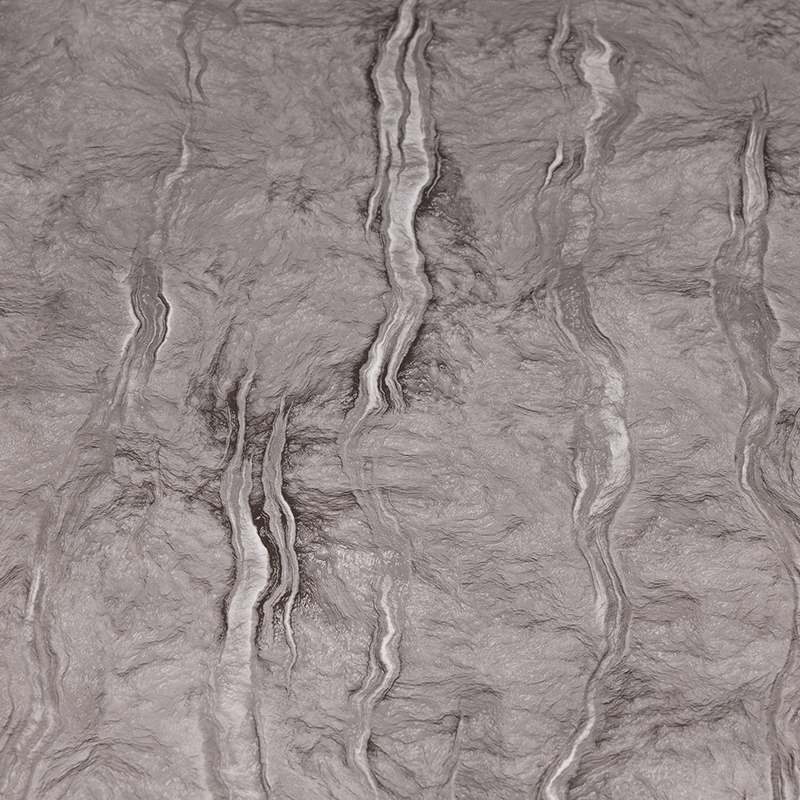
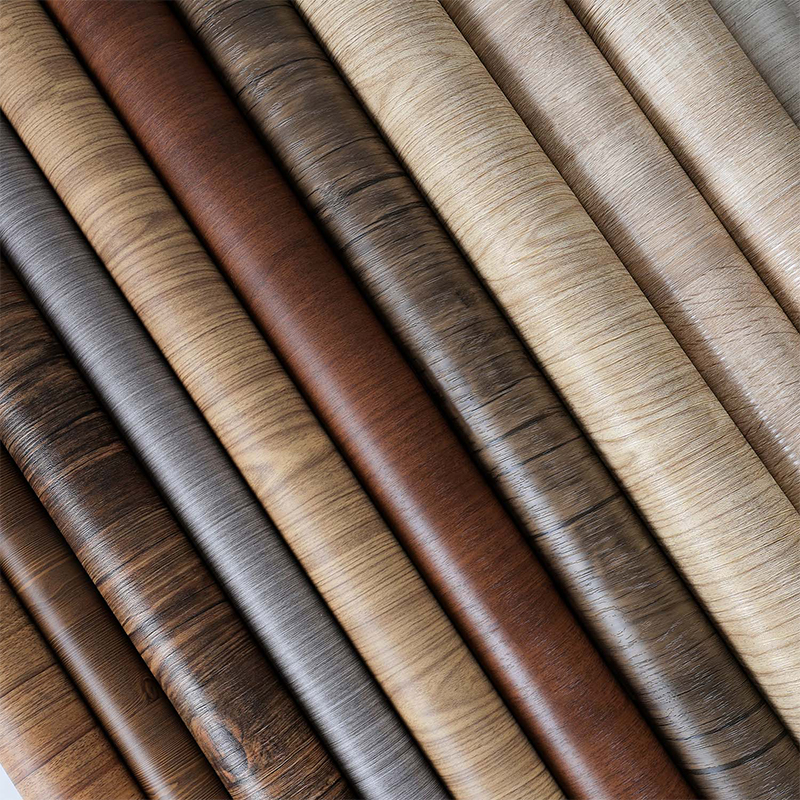
Textured and embossed finishes — wood grain, linen, concrete — offer a middle ground. The physical texture breaks up light reflection similarly to matte, while the emboss depth adds tactile interest. For textured anti-scratch films, confirm that the hardened coating is applied uniformly across the embossed surface, not just the raised peaks. Valleys in the emboss pattern are more vulnerable to penetration by sharp objects if the coating thins out in those areas.
Frequently Asked Questions
Is scratch resistant decorative film the same as anti-scratch film?
The terms are used interchangeably in the market, but there is a practical distinction worth noting. All anti-scratch films are scratch resistant, but not all films labeled scratch resistant carry the same hardened coating technology. Films described as anti-scratch typically undergo a dedicated coating process and carry a measurable hardness rating. Films marketed as scratch resistant without additional technical detail may simply use a higher-density base material without a purpose-built top coat. Always ask for the hardness specification to compare accurately.
Can scratch resistant film be re-coated or repaired if damaged?
Scratch resistant decorative film on furniture is a laminated surface material, not a standalone coating. Once the film is damaged beyond superficial contact marks, the standard solution is panel replacement rather than in-situ repair. This is one reason that specifying the correct hardness grade upfront — matched to the actual use intensity of the furniture — is more cost-effective than attempting to fix surface damage later.
How does scratch resistant film compare to melamine or painted surfaces?
Melamine-faced panels offer reasonable scratch resistance but are brittle at edges and do not wrap around profiles. Paint finishes chip under impact and are difficult to clean with chemical agents without affecting the surface sheen. Scratch resistant decorative film wraps complex shapes, resists chemical cleaning, and maintains its surface appearance with less maintenance than either alternative — at a material cost that is typically competitive with melamine for similar panel quantities.
What thickness specification is appropriate for furniture applications?
For standard flat lamination on cabinet doors and wardrobe panels, thicknesses between 0.14mm and 0.18mm are typical. Thicker film provides marginally better impact resistance but increases material cost and may affect the adhesive system requirements. For profile wrapping, thinner grades (0.12mm–0.14mm) offer better conformability around tight radii. The substrate thickness and adhesive selection matter as much as the film thickness for long-term bonding performance.
Recommended Articles
-
1.1 What is PP Decorative Film? PP decorative film is a type of surface material made primarily from polypropylene, a versatile and widely used thermoplastic po...
View More -
Is your furniture looking tired, outdated, or damaged? Imagine transforming it effortlessly into something stunning, durable, and uniquely yours. Enter PVC deco...
View More -
1.Introduction Edge banding is a crucial finishing process used in woodworking and furniture manufacturing to cover and seal the exposed sides of materials such...
View More
Xuanyi

Feel free to contact us
Xuanyi, dedicated to the application and research and development of new materials. Furniture Decorative Film Maufacturers and Factory.
Product Fast Links
Contact Information
-
 Room G, 4th Floor, Bailingshi Building, Haizhou Street, Haining City, Jiaxing City, Zhejiang Province, 314400, China
-
 [email protected]
-
 +86-15059290610
-
 +86-15059290610
Copyright © 2024Jiaxing Xuanyi International Trade Co.,Ltd All Rights Reserved. PVC/PP/PET Lamination Film for MDF WPC Plywood

